
What's Happening?
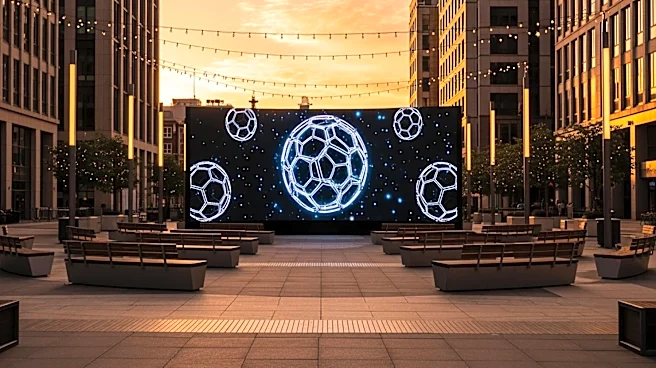
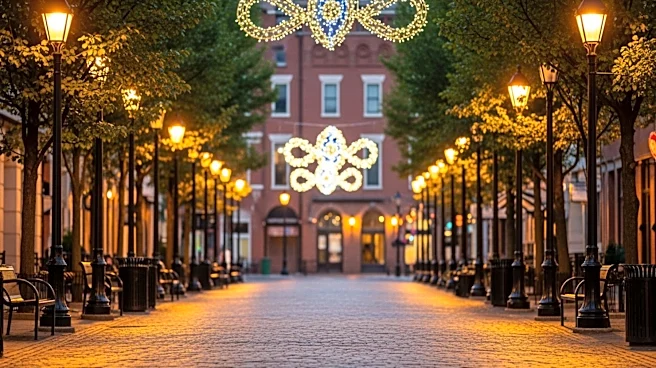
Seattle has transformed Pioneer Square into a pedestrian-only fan zone to celebrate the 2026 World Cup. This initiative began on June 15, coinciding with the match between Belgium and Egypt. The area is bustling
with fans, food carts, street performers, and watch parties, creating a vibrant atmosphere. Vendors like Antwon Stevenson have set up early to cater to the crowds, offering a variety of snacks. The fan zone is designed to provide a communal space for fans to enjoy the games, with bars and public spaces overflowing with spectators. The event has attracted visitors from across the country, including James and Janelle Francis from New York, who are excited to experience the World Cup in the U.S. The match ended in a 1-1 draw, with Egypt scoring the first goal, sparking celebrations throughout the fan zone.
Why It's Important?
The pedestrian zone in Pioneer Square highlights Seattle's commitment to enhancing the World Cup experience for both locals and tourists. By creating a dedicated space for fans, the city is fostering a sense of community and celebration. This initiative not only boosts local businesses by attracting large crowds but also showcases Seattle as a welcoming host city. The influx of visitors provides economic benefits, as tourists spend on accommodations, food, and entertainment. Additionally, the event offers a platform for cultural exchange, as fans from different backgrounds come together to celebrate the global sport. The success of this initiative could set a precedent for future large-scale events in the city, promoting pedestrian-friendly zones as a means to enhance public engagement and economic activity.
What's Next?
As the World Cup progresses, Seattle is likely to continue hosting similar events, drawing more fans to the pedestrian zone. The city may evaluate the success of this initiative to consider permanent or recurring pedestrian zones for future events. Stakeholders, including local businesses and city planners, will likely assess the economic impact and public reception to determine the feasibility of expanding such zones. Additionally, the city may explore ways to improve infrastructure and public transportation to accommodate the increased foot traffic. The positive reception of the fan zone could encourage other cities to adopt similar strategies for major events, promoting pedestrian-friendly urban planning.