
What's Happening?
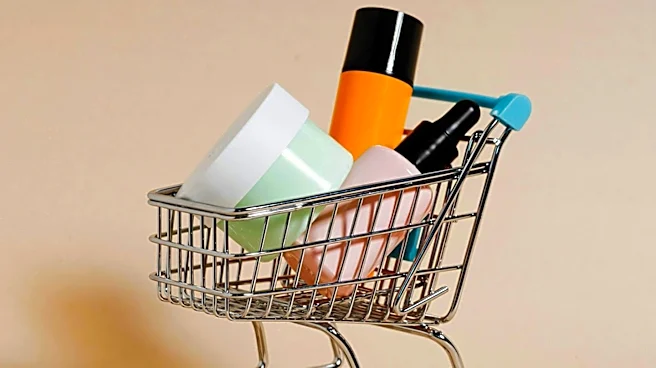
L’Oréal has introduced the Korean skincare brand Dr.G to the U.S. market exclusively through TikTok Shop, marking a significant shift in its brand launch strategy. This move prioritizes social commerce
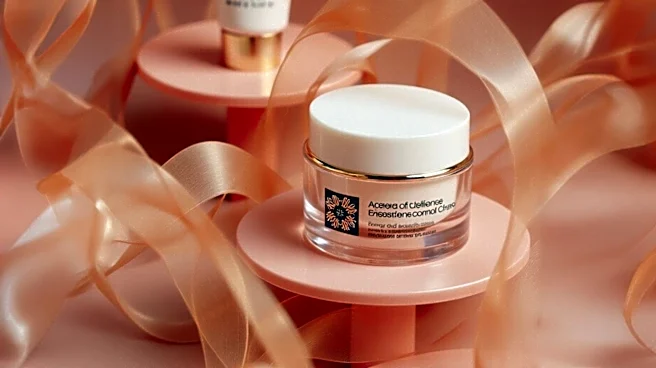
over traditional brick-and-mortar retail distribution, which has historically been L’Oréal’s approach for scaling acquired brands. The Dr.G storefront on TikTok Shop offers seven products and five exclusive bundles, supported by a comprehensive 360-degree U.S. marketing campaign. This campaign includes social content, creator partnerships, out-of-home advertising, influencer activations, and launch events in New York and Los Angeles. The launch follows L’Oréal’s acquisition of Dr.G in 2024 and aligns with the company's continued investment in the rapidly growing K-beauty category, which has seen a 53% year-over-year increase in global value sales. The brand is also available on Amazon, further emphasizing a digital-first strategy before any wider physical retail rollout in the U.S.
Why It's Important?
This strategic launch by L’Oréal signifies a pivotal moment in the U.S. beauty retail landscape, highlighting the increasing influence of social commerce platforms like TikTok Shop. By leading with a digital-first approach, L’Oréal is acknowledging and capitalizing on evolving consumer behaviors, particularly among younger demographics who are highly engaged with social media for product discovery and purchasing. This shift could set a new precedent for how major beauty brands enter and expand in the U.S. market, potentially reducing reliance on traditional retail channels and their associated costs. For consumers, it means greater accessibility to international brands and potentially more dynamic, interactive shopping experiences. For traditional retailers, it poses a challenge, as brands may increasingly bypass them in favor of direct-to-consumer social commerce models. The success of Dr.G’s launch could accelerate the adoption of social commerce strategies across various industries, impacting marketing budgets, supply chain logistics, and competitive dynamics in the U.S. retail sector.
What's Next?
Following the initial launch, L’Oréal will closely monitor the performance of Dr.G on TikTok Shop and Amazon to assess the effectiveness of its social commerce-first strategy. The ongoing 360-degree marketing campaign, including influencer activations and launch events, will aim to build brand awareness and drive sales. The company will likely analyze sales data, customer engagement metrics, and return on investment from its digital marketing efforts to inform future expansion decisions. Depending on the success of this digital-first approach, L’Oréal may consider a wider U.S. brick-and-mortar rollout for Dr.G, but only after establishing a strong online presence and customer base. Other beauty brands and consumer goods companies will be observing this launch closely, potentially adapting their own market entry and expansion strategies to incorporate more robust social commerce components. This could lead to increased competition on platforms like TikTok Shop and a greater emphasis on influencer marketing and direct consumer engagement.
Beyond the Headlines
L’Oréal’s decision to prioritize social commerce for Dr.G reflects a broader industry trend towards experiential retail and personalized consumer journeys. This move goes beyond simply selling products online; it leverages the interactive and community-driven nature of platforms like TikTok to create a more immersive brand experience. It also highlights the growing power of K-beauty, not just as a product category, but as a cultural phenomenon influencing global beauty trends and consumer preferences for innovative, clean formulations. The ethical implications of data privacy and content moderation on social commerce platforms will become increasingly relevant as more brands adopt these channels. Furthermore, the reliance on influencer marketing raises questions about authenticity and transparency in advertising. This shift could also lead to a re-evaluation of traditional retail spaces, pushing them to innovate and offer unique in-store experiences that complement, rather than compete directly with, the convenience and engagement of social commerce.