







What's Happening?
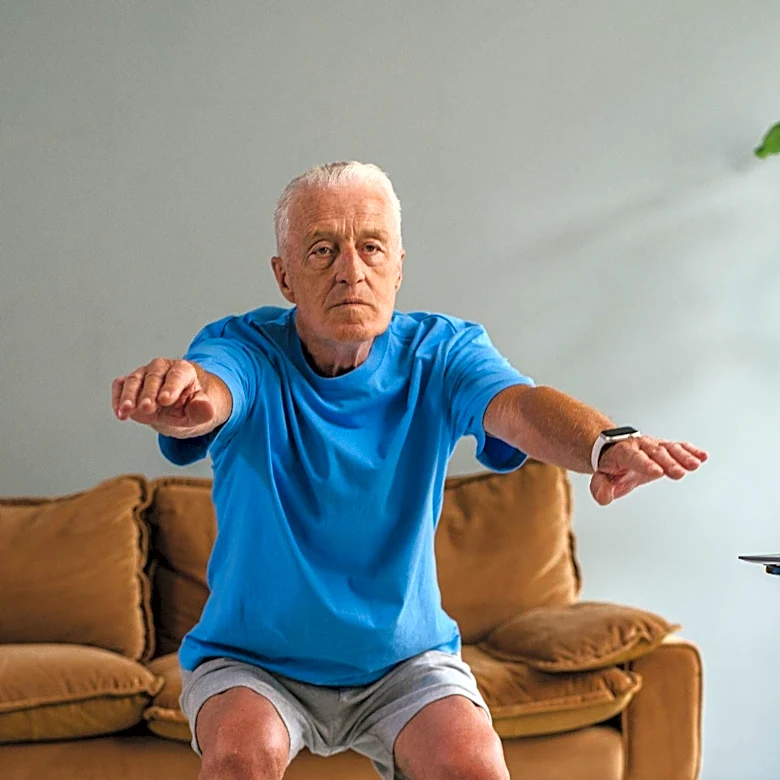
Home workouts are gaining traction as a flexible and cost-effective way for individuals in the U.S. to maintain fitness, according to Yahoo Finance. These routines emphasize accessibility, allowing participants to control their workout schedules, intensity,
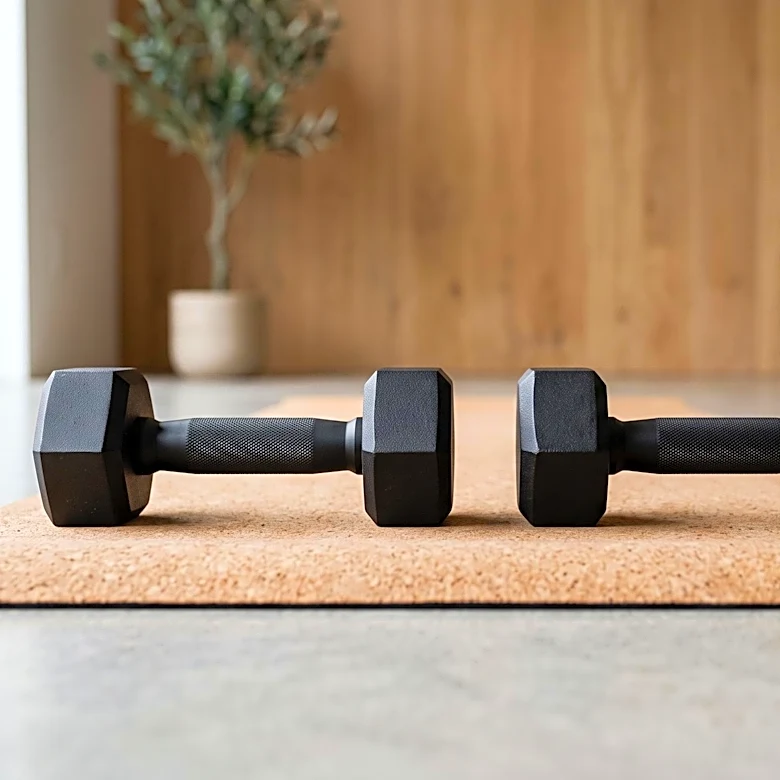
and environment. Key components of these routines include a warm-up phase to prevent injury, followed by bodyweight strength exercises such as squats, lunges, push-ups, and pull-ups. Core exercises like crunches, planks, glute bridges, and bird dogs are also recommended to improve posture and reduce pain. The approach highlights that expensive gym memberships or equipment are not necessary, as many effective exercises can be performed using just one's body weight. Dancing is also suggested as an enjoyable form of cardio. The routines conclude with a cool-down period to aid recovery and reduce stiffness.
Why It's Important?
The rise of accessible home workout routines holds significant importance for public health and personal finance in the U.S. By removing financial barriers and offering scheduling flexibility, these routines can encourage a broader segment of the population to engage in regular physical activity. This is particularly crucial in a society where many face time constraints and economic pressures. Increased participation in fitness can lead to improved public health outcomes, potentially reducing healthcare costs associated with sedentary lifestyles and chronic diseases. For individuals, the ability to exercise at home empowers them to take control of their health without the added stress of gym commutes or membership fees, fostering a more sustainable approach to wellness. This trend also supports the growing emphasis on self-care and personal well-being within American culture.
What's Next?
As home workouts continue to gain popularity, it is anticipated that more resources and structured programs will emerge to support individuals in their fitness journeys. This could include an increase in online fitness platforms, free workout guides, and community-based challenges designed for home environments. The emphasis on bodyweight exercises and minimal equipment suggests a continued shift away from traditional, high-cost gym models. Businesses in the fitness industry may adapt by offering more affordable, home-centric products and digital services. Furthermore, as more people embrace these routines, there could be a greater societal acceptance and normalization of exercising outside of conventional gym settings, potentially influencing urban planning to include more accessible public spaces for outdoor bodyweight training.
Beyond the Headlines
The shift towards home workouts reflects a deeper cultural trend of seeking convenience and autonomy in personal health management. This movement challenges the traditional perception that effective fitness requires specialized facilities or expensive equipment, democratizing access to physical well-being. It also highlights a growing awareness of the interconnectedness between physical health and mental well-being, as individuals seek flexible routines that can be integrated seamlessly into busy lives. Ethically, this trend promotes inclusivity, making fitness more attainable for diverse socioeconomic groups. Long-term, this could lead to a more resilient and health-conscious society, less dependent on external structures for maintaining physical fitness and more empowered to take proactive steps towards personal health.