




What's Happening?
Boeing's shares increased by approximately 4% after the Society of Professional Engineering Employees in Aerospace (SPEEA), the company's largest white-collar union, ratified a new four-year contract. This agreement, approved by both professional and
technical bargaining units, removes the immediate threat of a strike that could have disrupted Boeing's production and certification efforts. The professional unit, representing about 13,000 engineers and scientists, saw 68% of its members back the agreement, while over 53% of the technical unit, comprising about 4,000 designers, analysts, and technicians, also voted in favor. The new contract includes a 10% wage increase upon ratification, followed by annual raises of 4%, with the potential for an additional 2% performance-based increase. This resolution comes after workers had initially rejected Boeing's previous proposal, with the prior contracts set to expire on October 6, and a potential work stoppage looming as early as October 7.
Why It's Important?
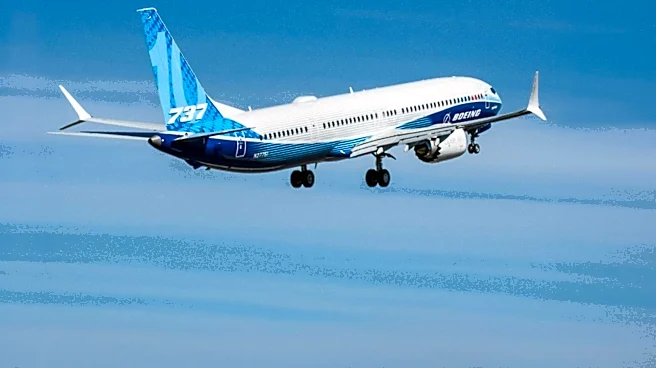
The approval of this contract is crucial for Boeing, as it avoids a significant labor disruption that could have severely impacted its operations. A strike by SPEEA members, which include engineers and technical workers, would have added another layer of complexity to Boeing's ongoing challenges, particularly in advancing the certification of its long-delayed 737 MAX 10 and 777X aircraft. Furthermore, it would have hindered efforts to increase production and accelerate deliveries, which are critical for the company's financial performance and market standing. The last major strike by SPEEA in 2000 lasted 40 days, disrupting commercial aircraft production and deliveries, and was one of the largest white-collar strikes in U.S. history. Averted strike ensures stability in Boeing's workforce, allowing the company to focus on addressing its production and delivery backlogs and maintaining its competitive edge in the aerospace industry.
What's Next?
With the new contract ratified, Boeing can now concentrate on its core business objectives without the immediate concern of a major labor dispute. The company will continue its efforts to advance the certification processes for its 737 MAX 10 and 777X aircraft. This includes navigating regulatory requirements and addressing any remaining technical hurdles. Additionally, Boeing will focus on ramping up the output of its best-selling aircraft models to meet demand and reduce its existing order backlog. The stability provided by the four-year contract will allow for more predictable production schedules and delivery timelines, which are essential for customer confidence and investor relations. The company will also likely continue to monitor its supply chain and manufacturing processes to prevent further delays and ensure efficient operations.
Beyond the Headlines
The successful negotiation of this contract highlights the evolving dynamics of labor relations within major U.S. corporations, particularly in high-tech and manufacturing sectors. The agreement reflects a balance between management's need for operational continuity and employees' demands for competitive compensation and benefits. This outcome could set a precedent for future labor negotiations in the aerospace industry, influencing how other companies approach their unionized workforces. It also underscores the strategic importance of skilled labor, such as engineers and scientists, in the development and production of complex products like commercial aircraft. The avoidance of a strike not only benefits Boeing but also has broader implications for the U.S. economy, preventing potential disruptions to the supply chain and maintaining the country's position in global aerospace manufacturing.