







What's Happening?
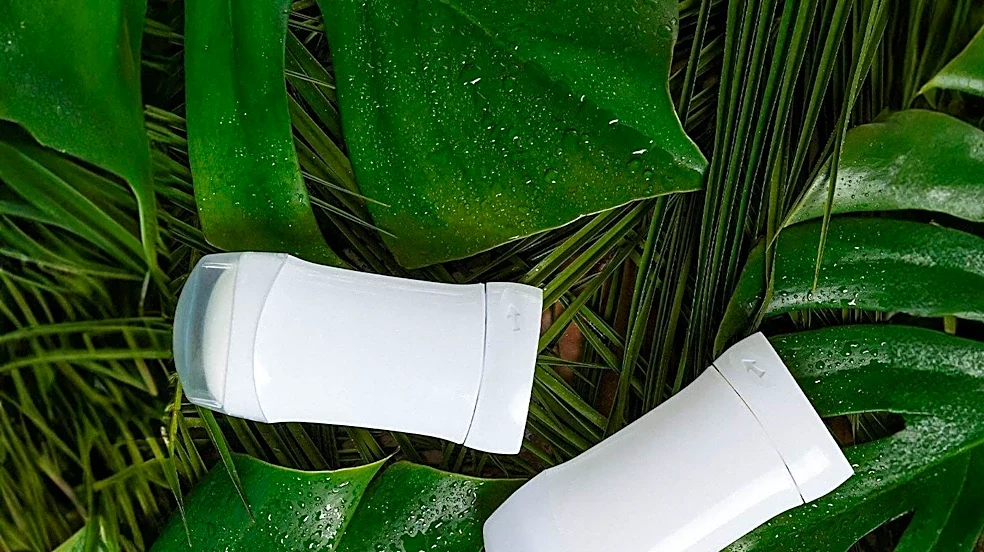
The market for natural deodorants is expanding, offering consumers aluminum-free options focused on odor control rather than sweat reduction. Products like Native Sensitive Solid Deodorant, Hume Supernatural Deodorant, Dr. Squatch Men's Natural Deodorant, Natural Embrace
Roll-On Deodorants, and Citrus Vanilla Tallow Deodorant are prominent in this category. These deodorants utilize various natural ingredients such as coconut oil, prebiotics, probiotic ferments, charcoal, arrowroot powder, and magnesium hydroxide. Unlike antiperspirants, which use aluminum compounds to reduce sweating, natural deodorants allow the body to sweat normally while neutralizing odor. Consumers are advised that a transition period of a few weeks may involve increased odor as the body adjusts, and patch testing is recommended for those with sensitive skin, especially due to ingredients like baking soda or essential oils.
Why It's Important?
The growing popularity of natural deodorants reflects a broader consumer trend towards products with fewer synthetic chemicals and more natural ingredients. This shift impacts the personal care industry, prompting manufacturers to innovate and expand their natural product lines. For consumers, the choice between natural deodorants and traditional antiperspirants involves weighing different priorities: odor control versus sweat reduction, and concerns about aluminum exposure. The emphasis on natural ingredients also aligns with increasing awareness of skin sensitivity and the desire for products that are perceived as gentler. This trend could lead to further research into the long-term effects of various deodorant ingredients and potentially influence regulatory standards for personal care products.
What's Next?
The natural deodorant market is expected to continue its growth trajectory, with more brands likely to introduce aluminum-free and naturally derived options. Manufacturers may focus on developing new formulations that address common consumer concerns, such as initial odor during the transition period or skin irritation from certain natural ingredients. There could also be an increase in products specifically designed for sensitive skin, free from baking soda or essential oils. Educational efforts from brands and health advocates will likely continue to inform consumers about the differences between deodorants and antiperspirants, helping them make informed choices based on their individual needs and preferences. The long-term effectiveness of natural deodorants compared to antiperspirants remains an area for ongoing consumer experience and potential future studies.
Beyond the Headlines
The rise of natural deodorants is part of a larger cultural movement towards 'clean beauty' and holistic wellness, where consumers are scrutinizing product ingredients more closely. This trend extends beyond personal care to food, household products, and even fashion, indicating a fundamental shift in consumer values. The debate around aluminum in antiperspirants, while not definitively linked to health issues by major scientific bodies, has fueled consumer demand for alternatives, highlighting the power of perception and precautionary principles in purchasing decisions. This movement also encourages greater transparency from brands regarding their ingredient lists and sourcing, fostering a more informed and empowered consumer base that prioritizes perceived safety and environmental impact alongside product efficacy.