





What's Happening?
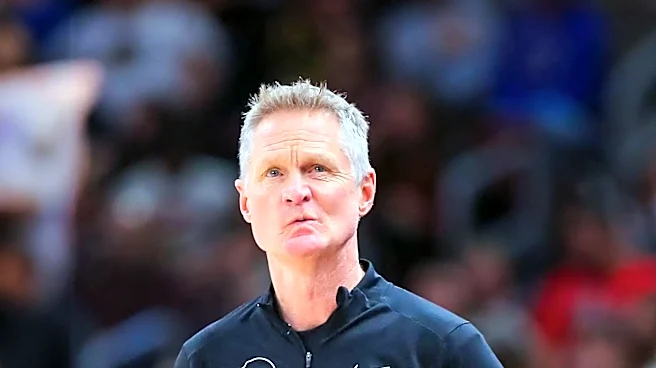
Golden State Warriors head coach Steve Kerr has voiced strong criticism regarding the NBA's approach to player flopping and 'grifting,' advocating for the league to adopt a more stringent stance. Kerr expressed his frustration after a recent game where
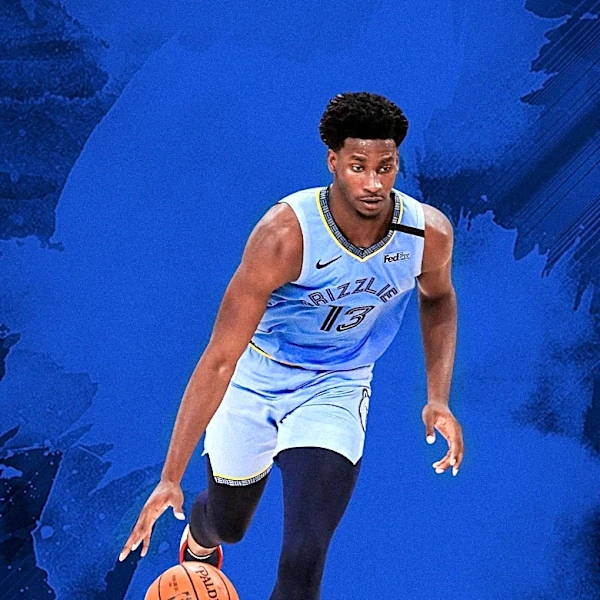
his team faced controversial calls, including multiple moving screen violations. He specifically mentioned an incident in a loss to the Memphis Grizzlies where Draymond Green's screen was called illegal, nullifying a potential go-ahead basket. Kerr believes that players are consistently trying to deceive officials and that the league is falling behind in addressing these tactics. He suggested the NBA should operate as a 'No Bulls--t Association' to eliminate such deceptive plays, which he argues detract from the quality of the game. The Warriors have reportedly sent clips to the league office seeking clarification on what constitutes an illegal screen and what actions will be penalized as flopping. Kerr's comments align with a broader sentiment among some coaches, including Timberwolves coach Chris Finch, who also desires changes in how flopping is officiated, particularly concerning offensive players exaggerating contact.
Why It's Important?
Steve Kerr's outspoken criticism highlights a significant ongoing debate within the NBA regarding game integrity and officiating consistency. His call for a 'No Bulls--t Association' reflects a desire to preserve the authenticity of basketball by reducing deceptive practices like flopping and grifting. This issue impacts not only the fairness of individual games but also the overall perception of the league among fans and players. If the NBA were to adopt a stricter enforcement policy, it could lead to a fundamental shift in player behavior, potentially reducing the number of exaggerated reactions and encouraging more genuine basketball plays. This could enhance the viewing experience by minimizing stoppages for questionable fouls and promoting a more fluid, skill-based game. Conversely, a failure to address these concerns could lead to continued frustration among coaches and fans, potentially eroding trust in officiating and the league's commitment to fair play. The debate also touches on the role of officials, who are constantly challenged to discern legitimate contact from intentional deception, making their job even more complex.
What's Next?
Following Steve Kerr's public statements and the submission of video clips by the Warriors, the NBA will likely face increased pressure to review its officiating guidelines and enforcement of flopping rules. The league had already made flopping a point of emphasis prior to the season, but Kerr's comments suggest that the current implementation is insufficient or inconsistent. It is probable that the NBA's head of referee development, Monty McCutchen, and other league officials will engage in further discussions with coaches and teams to clarify what constitutes a flop and how it will be penalized. There could be internal reviews of recent controversial calls and potentially new directives issued to referees to ensure more uniform application of the rules. Stakeholders, including other coaches and players, may also weigh in, potentially leading to a broader dialogue about sportsmanship and fair play. The outcome could range from minor adjustments in officiating to more significant policy changes aimed at deterring deceptive tactics, which would be closely watched by teams and fans alike.
Beyond the Headlines
The discussion around flopping and 'grifting' in the NBA extends beyond mere rule enforcement; it touches upon the evolving culture of professional basketball and the ethical boundaries of competition. Kerr's frustration points to a perceived arms race between players seeking to gain an advantage through deception and officials trying to maintain game integrity. This dynamic raises questions about sportsmanship and whether the pursuit of victory justifies any means, including simulation. The long-term implications could influence how young athletes are taught the game, potentially shifting focus from genuine skill development to mastering tactics that exploit rules. Furthermore, the debate highlights the challenge of officiating in a high-stakes professional environment where every call can impact outcomes and careers. The league's response will not only shape the immediate future of NBA gameplay but also contribute to the broader narrative about fairness and authenticity in professional sports, influencing fan engagement and the league's reputation for years to come.