
What's Happening?
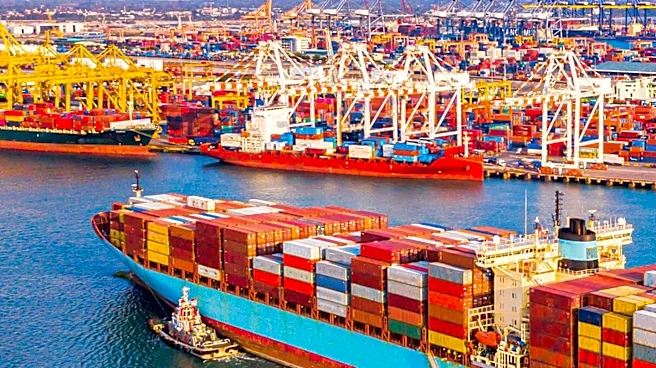
According to C.H. Robinson’s October Edge Report, approximately 12% of the global container ship capacity is currently absorbed by port congestion, marking the highest level in four years. This congestion is significantly
impacting East Asia, Northern Europe, and the Indian Subcontinent, effectively reducing the available shipping capacity despite a healthy underlying vessel supply. C.H. Robinson notes that while capacity may exist in the ocean network, port congestion and carrier efforts to restore schedules are altering where and when that capacity is accessible. This situation is creating an increasingly uneven ocean freight market as the fourth quarter approaches. Factors contributing to this include capacity reductions around China’s Golden Week holiday, limited vessel space and disrupted connections for India-North America services, and deteriorating schedule reliability due to congestion, vessel bunching, typhoons, Middle East conditions, and Panama Canal restrictions. Port omissions, where carriers skip scheduled port calls, are proving more disruptive than planned blank sailings, leading to missed connections and longer cargo backlogs.
Why It's Important?
The significant port congestion, tying up 12% of global container shipping capacity, has profound implications for U.S. industries and consumers. This reduction in effective capacity means higher shipping costs and extended transit times for goods, impacting supply chains across various sectors, from retail to manufacturing. U.S. businesses that rely on imported components or finished products from East Asia, Northern Europe, and the Indian Subcontinent will face increased operational challenges, potentially leading to inventory shortages, production delays, and higher consumer prices. The uneven ocean freight market creates unpredictability, making it difficult for companies to plan and budget effectively. For U.S. exporters, congestion can delay their products from reaching international markets, affecting competitiveness and revenue. The distinction between port omissions and blank sailings is crucial, as omissions can cause more severe disruptions, forcing cargo to be rerouted or delayed, adding further complexity and cost to logistics operations. This situation highlights the fragility of global supply chains and the need for businesses to build greater resilience and flexibility into their logistics strategies.
What's Next?
The immediate future will likely see continued pressure on Asia-North America routes, with space tightening ahead of and immediately following China's Golden Week holiday. Exporters pushed cargo out before factory closures, and planned blank sailings are expected to reduce effective capacity through mid-October. The post-holiday rebound in cargo volumes will determine whether the current tightness in shipping capacity persists or normalizes. A strong rebound could keep preferred sailings full and support current rate levels, while a weaker rebound might allow space to normalize later in October. Shippers will need to pay closer attention to port selection, transshipment exposure, container availability, and carriers' ability to recover schedules. C.H. Robinson's report suggests that the focus will shift from headline fleet capacity to usable capacity, requiring more strategic planning from businesses to navigate the congested global shipping environment effectively.
Beyond the Headlines
The persistent port congestion, exacerbated by various global events, underscores a systemic vulnerability in the globalized economy. Beyond immediate logistical challenges, this situation could accelerate trends towards nearshoring or reshoring production for U.S. companies, as the reliability and cost-effectiveness of distant supply chains diminish. It also highlights the environmental impact of shipping inefficiencies, as longer transit times and rerouting contribute to increased fuel consumption and emissions. The reliance on major transshipment hubs, which become choke points during congestion, may prompt a re-evaluation of global shipping network designs. Furthermore, the uneven market conditions could lead to increased consolidation within the shipping industry as smaller players struggle to adapt, potentially reducing competition and further impacting pricing for shippers. This ongoing crisis serves as a stark reminder that global trade is not just about moving goods, but about managing a complex, interconnected system susceptible to a multitude of external pressures.