



What's Happening?
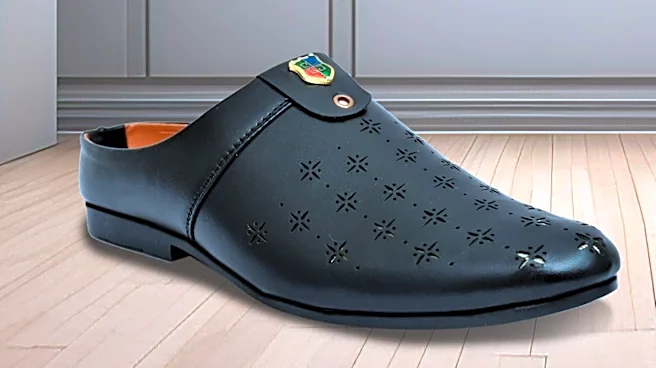
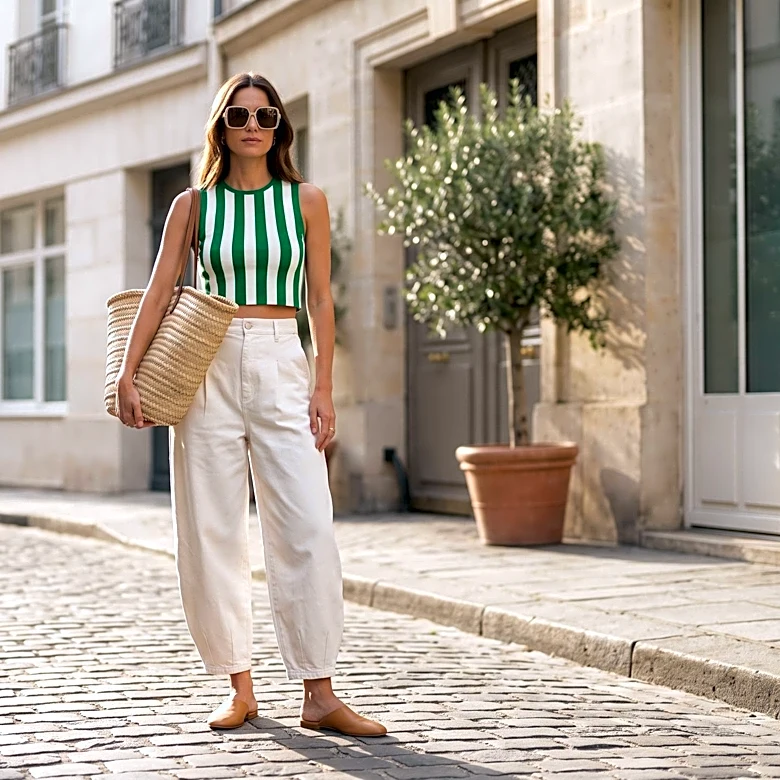
The fashion industry is currently experiencing a significant resurgence of '90s-era normcore mules, a style popularized by supermodels like Cindy Crawford. Brands such as Bevza, Khaite, The Row, and Toteme are at the forefront of this trend, offering
contemporary interpretations of these minimalist black mules. This footwear style is being paired with classic pieces like cigarette jeans and button-down shirts to create effortlessly elegant looks. Beyond mules, other '90s heel styles, including square-heeled shoes, ankle-strap pumps, and kitten heels, are also making a strong comeback. Kitten heels, in particular, have maintained popularity for two consecutive years, with brands like Miu Miu, Gucci, Prada, Chanel, and Dior showcasing viral styles. The broader trend encompasses minimalist, femme fatale, and grunge aesthetics from the decade, influencing current street style with elements like square toes, open-heel silhouettes, and suede sneakers.
Why It's Important?
This fashion trend signifies a broader cultural embrace of nostalgia, particularly for the minimalist aesthetics of the 1990s. For the U.S. fashion industry, this means a shift in consumer demand towards classic, understated styles, potentially impacting sales and marketing strategies for footwear and apparel brands. Retailers and designers who can effectively capture the essence of '90s normcore, while offering modern updates, stand to gain significant market share. The emphasis on versatility and comfort, as seen with the enduring popularity of kitten heels, also suggests a consumer preference for practical yet stylish options. This trend could influence manufacturing decisions, supply chain management, and even the types of materials used, as brands aim to replicate the authentic feel of '90s fashion. Furthermore, the influence of supermodels and fashion influencers in driving these trends highlights the continued power of celebrity endorsement and social media in shaping consumer behavior.
What's Next?
The continued momentum of '90s fashion suggests that this trend will likely evolve further, with new interpretations and combinations emerging. Consumers can expect to see more brands incorporating elements like square toes, open-heel designs, and minimalist silhouettes into their upcoming collections. The focus on versatile pieces that can be styled in multiple ways, such as pairing mules with both casual and formal wear, is expected to persist. Fashion influencers will continue to play a crucial role in showcasing how to integrate these retro styles into modern wardrobes, potentially leading to new styling trends. The industry may also see a renewed interest in other '90s fashion staples, beyond footwear, as designers delve deeper into the decade's archives for inspiration. This could include a broader revival of grunge-inspired clothing or more tailored, minimalist apparel to complement the footwear trends.
Beyond the Headlines
The resurgence of '90s fashion, particularly normcore, reflects a deeper societal yearning for simplicity and authenticity in an increasingly complex world. This trend moves beyond mere aesthetics, touching upon a desire for comfort and practicality that contrasts with the more extravagant fashion cycles of previous decades. Ethically, it raises questions about sustainable fashion practices, as brands re-issue classic styles rather than constantly producing new ones, potentially reducing waste. Culturally, it highlights the cyclical nature of fashion and the enduring influence of past eras on contemporary style. The '90s, often seen as a period of understated cool, offers a counter-narrative to the fast-paced, trend-driven consumption prevalent today. This return to foundational pieces and timeless designs could encourage consumers to invest in higher-quality, durable items, fostering a more conscious approach to fashion consumption.