


What's Happening?
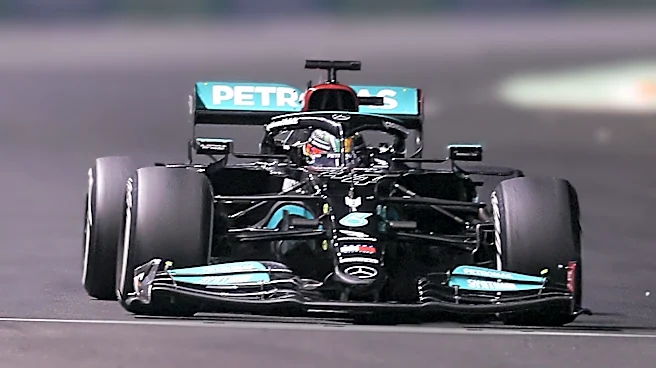
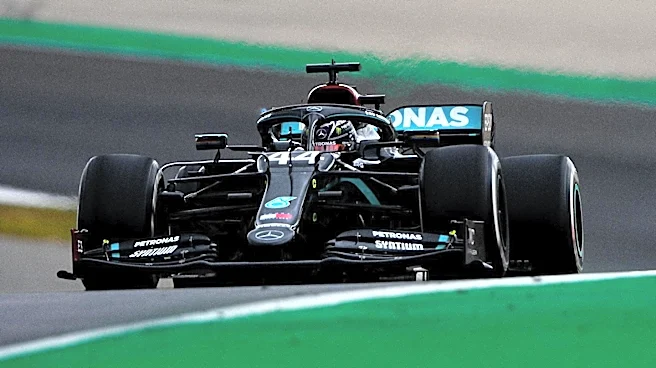
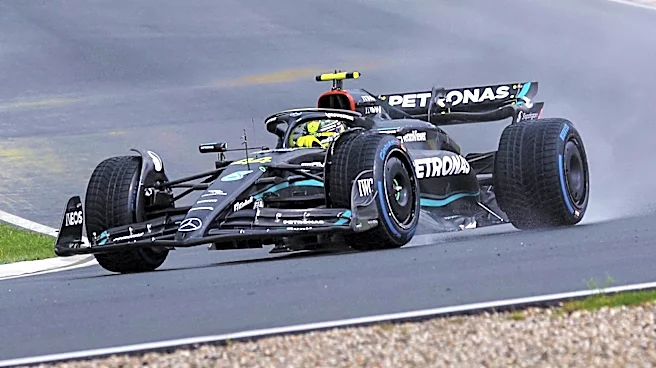
Kimi Antonelli has become a central figure in the 2026 Formula 1 season, showcasing his prowess by winning six of the first eleven races. His victories in China, Japan, Miami, Canada, Monaco, and Belgium have positioned him as the youngest championship
leader in F1 history. Antonelli's performance has been bolstered by Mercedes' strong car, which has excelled under the new regulatory changes. The season has also seen significant developments, such as the introduction of new power unit manufacturers and the geopolitical impact of the Iran war, which led to the cancellation of races in Bahrain and Saudi Arabia.
Why It's Important?
Antonelli's rise highlights the impact of regulatory changes in Formula 1, which have reshaped the competitive dynamics of the sport. His success underscores the importance of adapting to new technologies and regulations, as seen with Mercedes' ability to leverage the new power units effectively. This shift has implications for other teams, who must innovate to remain competitive. The geopolitical factors affecting the season also emphasize the interconnectedness of global events and sports, influencing scheduling and logistics in the F1 calendar.
What's Next?
The second half of the season presents various scenarios for the championship outcome. Antonelli's continued dominance could lead to an early championship win, while potential challenges from Ferrari and McLaren could alter the standings. The performance of new power unit manufacturers and the strategic decisions of teams will be critical in shaping the remainder of the season. The upcoming races will test the adaptability and resilience of teams and drivers as they navigate the evolving competitive landscape.