









What's Happening?
Ayurveda, a holistic health system, provides a timeless approach to wellness, encompassing various treatments such as Abhyanga (oil massage), Shirodhara (pouring of liquid), Panchakarma (detoxification), and Udwarthana (herbal powder massage. This traditional
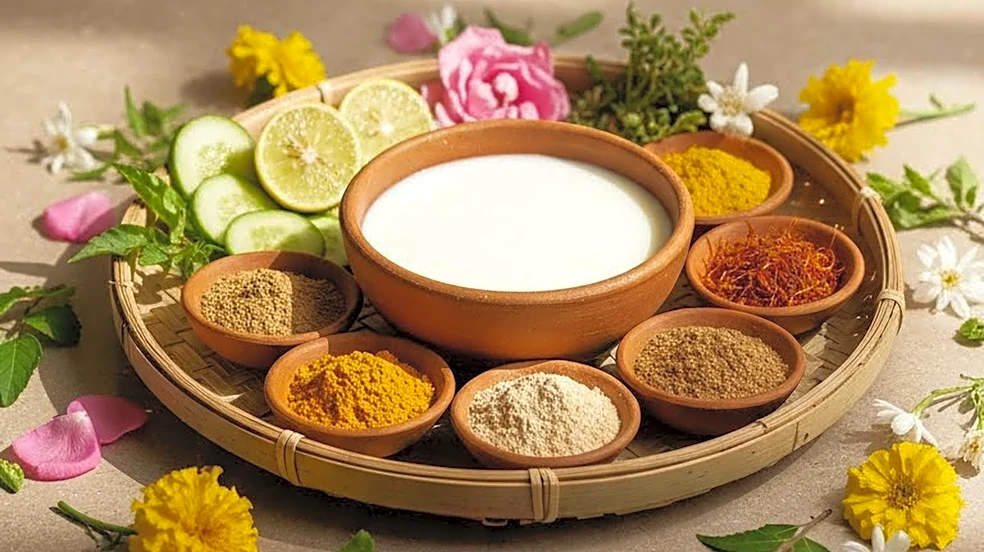
system emphasizes personalized care, taking into account an individual's health history, constitution, and specific needs. Beyond treatments, Ayurveda also offers detailed guidance on diet, particularly concerning dairy consumption. It recommends considering factors like digestive strength (agni), dosha type (vata, pitta, or kapha), and the form and timing of dairy products. For instance, Ayurveda generally prefers fresh, boiled milk over processed alternatives and suggests that cow milk is typically easier to digest than buffalo milk. The system also advises on specific dairy products like curd, recommending it be consumed in small portions during the daytime and not heated, with added spices to aid digestion.
Why It's Important?
The Ayurvedic approach to health and diet is significant as it offers an alternative, personalized framework for understanding wellness, contrasting with more generalized dietary advice. Its emphasis on individual digestive strength and body types (doshas) highlights that what is beneficial for one person may not be for another, even regarding common foods like dairy. This perspective can empower individuals to make more informed dietary choices tailored to their unique physiological makeup, potentially leading to improved digestion and overall well-being. For those experiencing digestive issues with dairy, Ayurveda provides specific recommendations, such as consuming ghee and buttermilk, which are often better tolerated, or modifying milk consumption by boiling it and adding digestive spices. This personalized guidance can help individuals manage symptoms like gas, bloating, and acidity, which are common concerns in modern diets.
What's Next?
Individuals interested in adopting Ayurvedic principles for health and diet may explore consulting with Ayurvedic practitioners to determine their specific dosha and digestive strength. This personalized assessment can lead to tailored recommendations for diet, including dairy consumption, and lifestyle adjustments. Further research into the efficacy of Ayurvedic dietary guidelines, particularly concerning dairy digestion and its impact on various body types, could provide more scientific validation for these traditional practices. The growing interest in holistic health and personalized nutrition suggests that more people may seek out Ayurvedic insights to address their health concerns, potentially leading to an increased demand for Ayurvedic products and services. Additionally, food manufacturers might consider developing products that align with Ayurvedic principles, such as easily digestible dairy alternatives or spiced milk preparations.
Beyond the Headlines
The Ayurvedic perspective on dairy consumption extends beyond mere nutritional content, delving into the energetic and qualitative aspects of food. By categorizing foods based on their impact on the body's doshas and digestive fire, Ayurveda introduces a nuanced understanding of how food interacts with individual physiology. This holistic view encourages a deeper connection between diet and overall well-being, moving beyond calorie counting or macronutrient ratios. The concept of 'viruddha ahara' or incompatible food combinations, such as mixing milk with sour fruits or fish, highlights a traditional understanding of food synergy and potential digestive conflicts that modern nutritional science is only beginning to explore. This ancient wisdom offers a cultural and philosophical dimension to dietary choices, promoting mindful eating and a greater awareness of the body's signals, which can foster a more intuitive and sustainable approach to health.