




What's Happening?
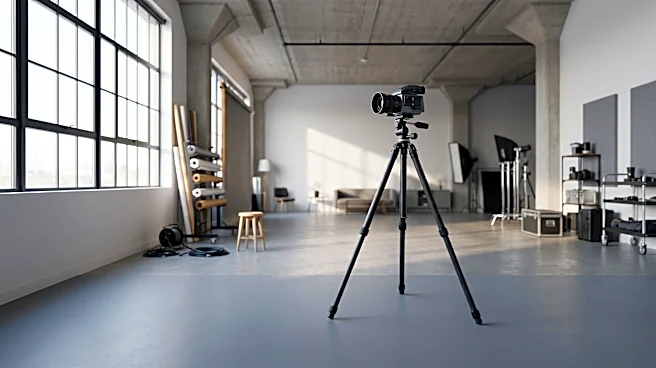
TAŚMA PHOTOGRAPHIC STUDIO in Warsaw has introduced two distinct spaces designed for photographers, videographers, and content creators. These spaces, TAŚMA #1 (101 m²) and TAŚMA #2 (40 m²), cater to various creative needs by offering different layouts,
ceiling heights, and window orientations to optimize natural light. TAŚMA #1 includes two photo and video areas, a makeup and changing room, and a technical room for equipment. TAŚMA #2 is a more compact studio with a 4-meter ceiling and east-facing windows. Both studios operate on a self-service basis, providing clients with access information via SMS before their booking. Assistance during sessions can also be arranged by contacting the studio team via email.
Why It's Important?
The establishment of specialized studios like TAŚMA PHOTOGRAPHIC STUDIO reflects a growing demand within the creative industry for dedicated, professional environments. This development is important for content creators as it provides them with tailored infrastructure that supports high-quality production, which is crucial for maintaining competitiveness in a saturated digital landscape. By offering flexible, self-service access, these studios empower independent creators and small businesses to produce professional-grade content without the overhead of owning such facilities. This model can foster innovation and accessibility within the creative economy, allowing creators to focus on their craft rather than logistical challenges. The availability of diverse spaces also means creators can select environments best suited for their specific projects, enhancing the overall quality and variety of digital content.
What's Next?
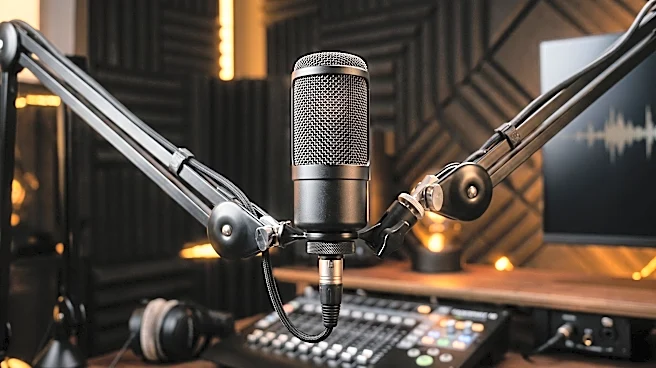
The success of specialized content creation spaces like TAŚMA PHOTOGRAPHIC STUDIO could lead to the expansion of similar models in other urban centers, both domestically and internationally. As the creator economy continues to grow, there will likely be an increased demand for flexible, well-equipped studios that cater to diverse content needs, from photography and videography to live streaming and podcasting. This trend may also encourage technology providers to develop more integrated solutions for studio management and content production, further streamlining the creative process. Additionally, the emphasis on self-service and remote assistance could become a standard for such facilities, offering greater convenience and efficiency for creators.
Beyond the Headlines
This trend signifies a broader shift in the infrastructure supporting the digital economy. The rise of dedicated content creation spaces highlights the professionalization of content creation, moving it beyond casual hobbyism into a structured industry. It also underscores the importance of physical spaces in an increasingly digital world, providing a tangible environment for creative work that cannot be fully replicated online. This development could also influence urban planning, with more commercial properties being repurposed or designed to accommodate the needs of the creative sector. Furthermore, it raises questions about intellectual property and collaboration within these shared spaces, potentially leading to new legal frameworks or community guidelines for creators.