



What's Happening?
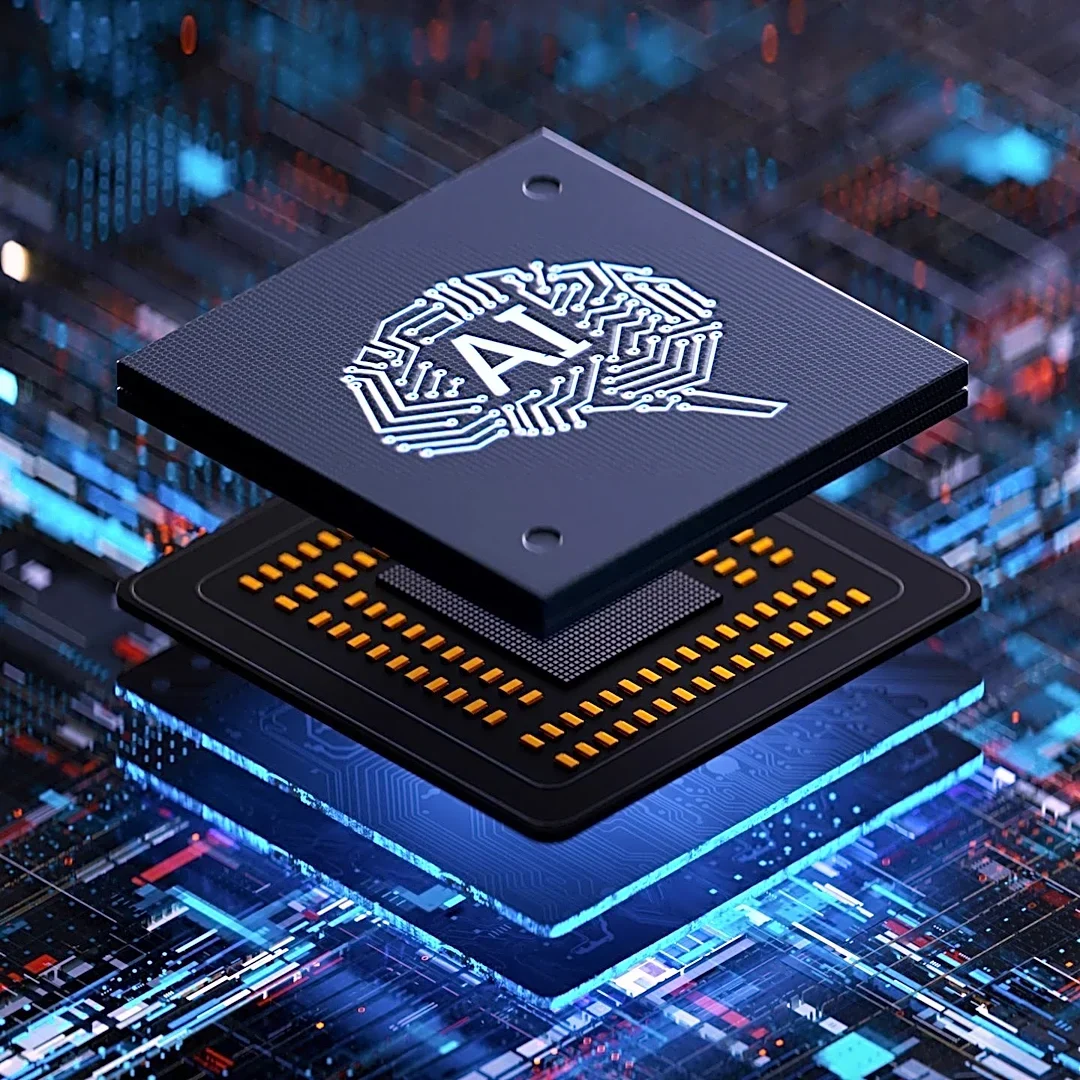
Nissan Motor has announced a partnership with Applied Intuition to deploy its AI-powered Vehicle OS and software-development tools. This collaboration aims to support a scalable, open in-vehicle software platform across multiple powertrains for Nissan vehicles.
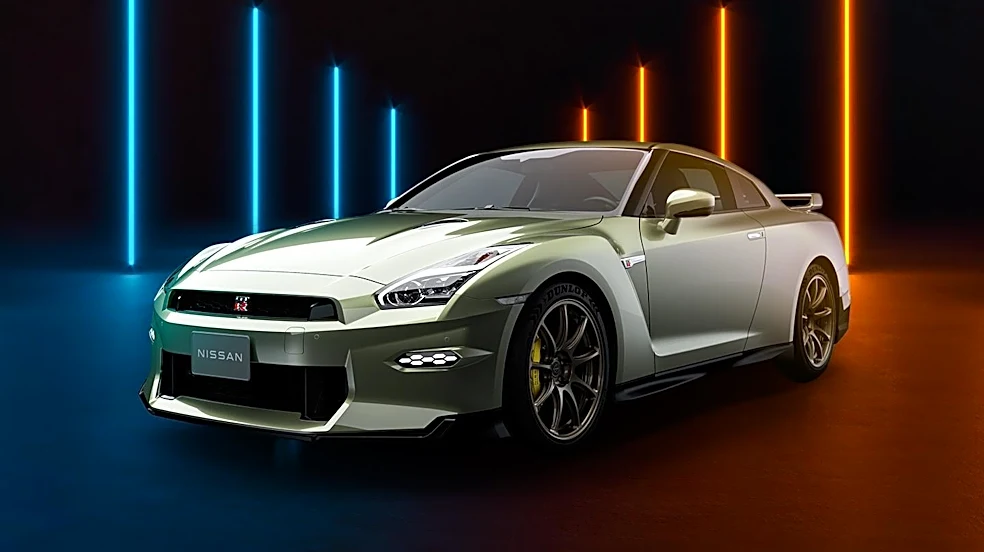
The deeper software partnership is intended to modernize Nissan Motor's in-house engineering workflows, potentially influencing the speed of development, complexity management, and long-term product economics for AI-defined vehicles. This initiative connects directly to Nissan Motor's earlier focus on electrified and software-defined models, such as the Leaf and e-POWER variants, with the goal of creating a more unified Vehicle OS and development toolkit to facilitate over-the-air feature updates and complexity management.
Why It's Important?
This partnership is crucial for Nissan Motor's long-term competitiveness in the global automotive market, particularly in the U.S. The integration of AI-powered software development tools is essential for creating advanced, software-defined vehicles that can offer cutting-edge features, enhanced safety, and improved user experiences. By modernizing its engineering workflows, Nissan aims to accelerate the development of new technologies and adapt more quickly to evolving consumer demands and regulatory requirements. This move is part of a broader industry trend where software is becoming as critical as hardware in vehicle design and functionality. For investors, this partnership supports the thesis of Nissan's turnaround strategy, focusing on cost efficiency and improved earnings quality through electrified and software-defined vehicles.
What's Next?
The immediate focus for Nissan Motor will be on the execution and integration of Applied Intuition's tools into its existing platforms. While this partnership supports Nissan's long-term vision for AI-defined vehicles, the short-term picture will still be influenced by ongoing challenges such as cost restructuring, tariff headwinds, and plant consolidation. The success of this software integration will be measured by its ability to translate into improved margins and free cash flow, aligning with the 'Re Nissan' cost reset initiative. Analysts project Nissan Motor's revenues to reach ¥13.4 billion and earnings to hit ¥191.3 billion by 2029, assuming a 3.1% yearly revenue growth, with this AI partnership potentially contributing to achieving these targets.
Beyond the Headlines
The collaboration between Nissan Motor and Applied Intuition highlights the increasing reliance of traditional automakers on specialized technology companies for software development. This trend signifies a shift in the automotive industry's value chain, where software expertise is becoming a critical differentiator. It also raises questions about data ownership, cybersecurity, and the ethical implications of AI in autonomous driving and vehicle systems. As vehicles become more connected and software-dependent, the ability to manage and update these complex systems securely and efficiently will be paramount. This partnership could set a precedent for how other legacy automakers approach their software development strategies, potentially leading to more collaborations with tech firms to stay competitive in the rapidly evolving landscape of smart vehicles.