




What's Happening?
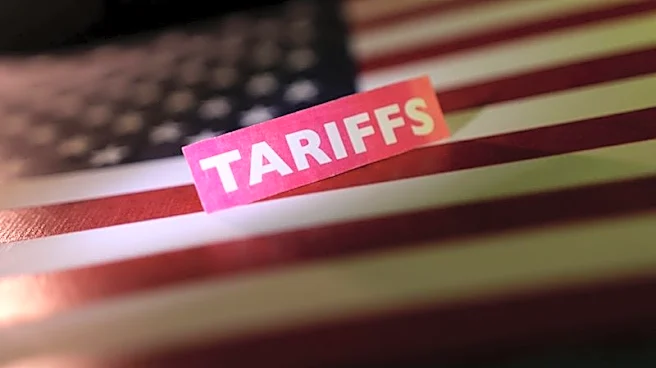
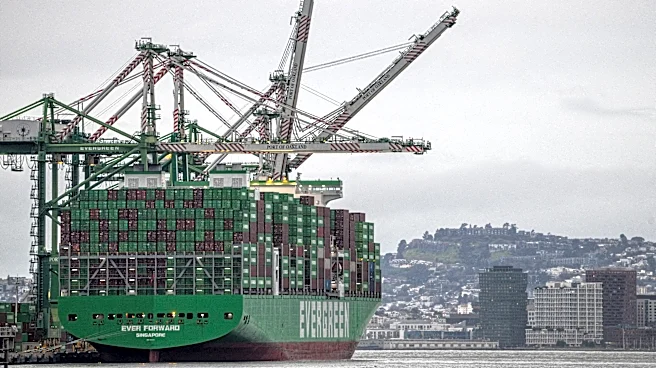
Mexico is actively negotiating with the United States to reduce Section 232 tariffs on steel imports, which were raised to 50% in June 2025. These tariffs, imposed by the U.S. government on national-security grounds, have significantly impacted Mexican
steel exports to the U.S. According to U.S. Department of Commerce data, Mexican steel exports to the U.S. fell by 36.6% in 2025, totaling US$2.238 billion. This decline caused Mexico to drop from the third to the fifth largest steel supplier to the U.S. market, with its share of U.S. steel imports decreasing from 11% to 9%. The Mexican Business Coordinating Council (CCE) President, José Medina Mora, stated that negotiations are at an advanced stage, with potential for an agreement during the G20 meeting in Florida in December between President Claudia Sheinbaum and President Trump. If an agreement is not reached, discussions are expected to continue into early 2027. The CCE aims to secure tariff conditions that enable Mexican steel to compete effectively with Asian suppliers and seeks comparable treatment for automakers in Mexico to that granted to competitors from Japan, South Korea, and the European Union.
Why It's Important?
The ongoing negotiations and the impact of Section 232 tariffs are crucial for the U.S. steel market and North American manufacturing integration. The tariffs have led to a shift in U.S. steel sourcing, with Asian suppliers like Vietnam, Indonesia, and Malaysia gaining market share at Mexico's expense. This situation affects U.S. industries that rely on steel, such as automotive manufacturing, construction, and machinery, as changes in import costs and sourcing conditions influence production expenses. For the U.S., a reduction in tariffs could potentially re-strengthen supply chains within North America, aligning with efforts to address trade imbalances and bolster regional manufacturing. Conversely, continued high tariffs could further entrench reliance on non-North American steel sources, potentially impacting the competitiveness and resilience of U.S. industries. The outcome of these negotiations will determine who benefits from the U.S. steel market, with Mexican producers hoping to regain lost ground and Asian suppliers potentially facing increased competition if tariffs are adjusted.
What's Next?
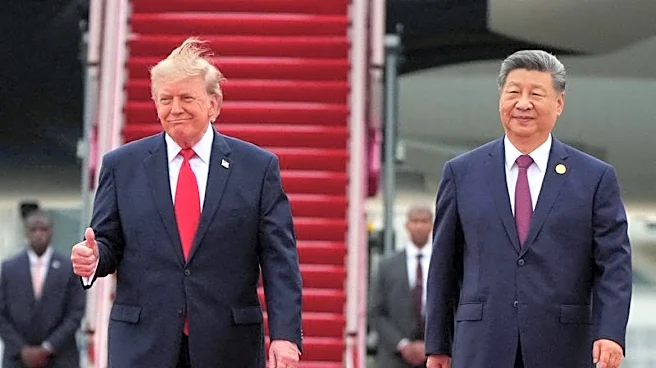
The immediate next step involves the G20 meeting in Florida in December, where President Claudia Sheinbaum and President Trump are expected to discuss the Section 232 steel tariffs. José Medina Mora, President of the CCE, anticipates that an agreement could be reached during this meeting. If not, discussions are projected to extend into early 2027. The CCE is pushing for tariff conditions that would allow Mexican steel to compete with Asian suppliers and for Mexican automakers to receive treatment similar to their counterparts in Japan, South Korea, and the European Union. The broader effort includes replacing Asian inputs with North American components to increase regional sourcing and strengthen supply-chain integration. The U.S. Trade Representative's (USTR) ongoing investigation into industrial overcapacity also remains a factor, although Mexico has been excluded from proposals for additional tariffs so far. The results of these discussions will significantly influence trade relations and steel sourcing patterns between the U.S. and Mexico.
Beyond the Headlines
The shift in U.S. steel sourcing from Mexico to Asia, driven by Section 232 tariffs, highlights a complex interplay of trade policy, national security concerns, and economic competitiveness. While the tariffs were implemented on national-security grounds, their practical effect has been a significant contraction in Mexico's steel industry, with utilization rates at a 25-year low of approximately 55%. This situation underscores the unintended consequences of protectionist measures, as they can disrupt established supply chains and inadvertently benefit third-party nations. The CCE's proposal to replace Asian inputs with North American components reflects a strategic move to re-localize supply chains and strengthen regional economic integration, potentially leading to a more resilient North American manufacturing base. However, the challenge lies in balancing national security objectives with economic realities and ensuring that trade policies do not inadvertently undermine the very industries they aim to protect. The outcome of these negotiations will set a precedent for how the U.S. manages trade relationships with its closest neighbors versus global competitors.