




What's Happening?
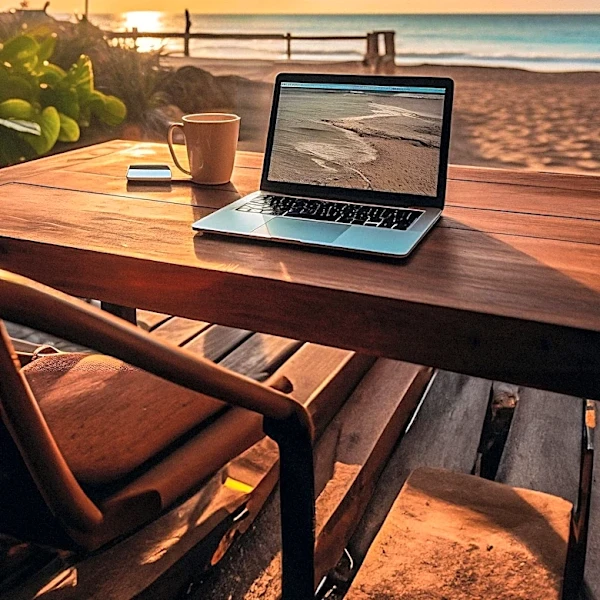
The blending of business and leisure travel, known as bleisure travel, is significantly impacting travel patterns, particularly for working parents. According to the GBTA 2025 Business Travel Index Outlook, 68% of corporate travelers extend at least one
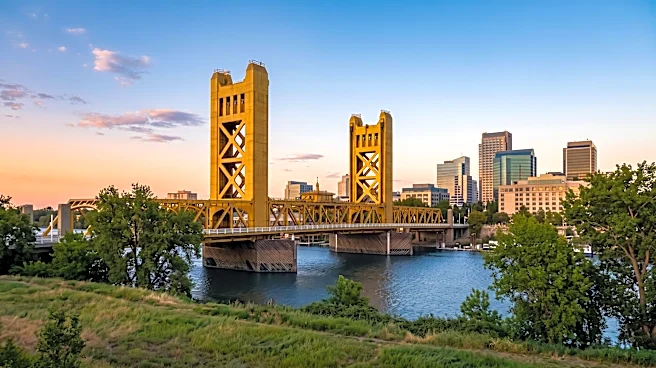
business trip annually for leisure, with an average extension of 2.3 nights. This trend is creating opportunities for destinations that offer a combination of work commitments, major events, and recreational activities within a single itinerary. Sacramento, California, is highlighted as a region well-suited for this trend due to its compact metropolitan area encompassing government, business, sporting events, entertainment, shopping, and outdoor recreation. The global bleisure travel market is projected to reach approximately $1.6 trillion in 2026, an increase from $1.5 trillion in 2025, as estimated by Grand View Research. This growth indicates a shift in how travelers approach professional trips, often incorporating family activities and extended stays.
Why It's Important?
The rise of bleisure travel has substantial implications for the U.S. hospitality and tourism industries. It drives demand for hotels that can cater to both productivity and relaxation, requiring amenities such as reliable connectivity, comfortable workspaces, and proximity to leisure attractions. For regional tourism economies, this trend means increased spending on accommodations, dining, retail, and local experiences, benefiting major metropolitan areas. Hotels like Courtyard Sacramento Cal Expo are strategically positioning themselves to meet these evolving traveler needs by offering facilities that support both business and family activities. This shift encourages destinations to market themselves as comprehensive hubs where professional obligations can seamlessly integrate with personal and family leisure, potentially leading to longer and more varied stays and boosting local economies.
What's Next?
As bleisure travel continues to grow, destinations and hospitality providers will likely further adapt their offerings to cater to this market. This could include more flexible booking options, enhanced in-room amenities for remote work, and curated packages that combine business facilities with local leisure activities. We can expect to see increased investment in infrastructure that supports both business and tourism, such as convention centers, entertainment venues, and family-friendly attractions. Hotels will continue to emphasize their proximity to key event generators and recreational sites, and potentially develop partnerships with local businesses to offer integrated experiences. The focus will remain on providing convenience and value to travelers looking to maximize their trips by blending work and personal time.
Beyond the Headlines
The bleisure travel trend reflects a broader cultural shift towards work-life integration and the increasing flexibility offered by remote work capabilities. It challenges the traditional separation of business and leisure, suggesting a more holistic approach to travel where professional responsibilities and personal enjoyment are not mutually exclusive. This trend could lead to a re-evaluation of corporate travel policies, encouraging companies to support employees in extending business trips for personal reasons, potentially improving employee satisfaction and retention. Furthermore, it highlights the growing importance of a destination's overall appeal, beyond just its business infrastructure, as travelers seek locations that offer a rich array of experiences for themselves and their families. This could foster greater collaboration between business development and tourism promotion agencies in cities across the U.S.