




What's Happening?
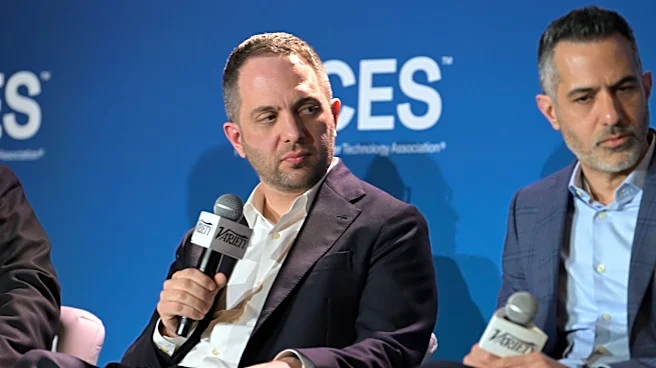
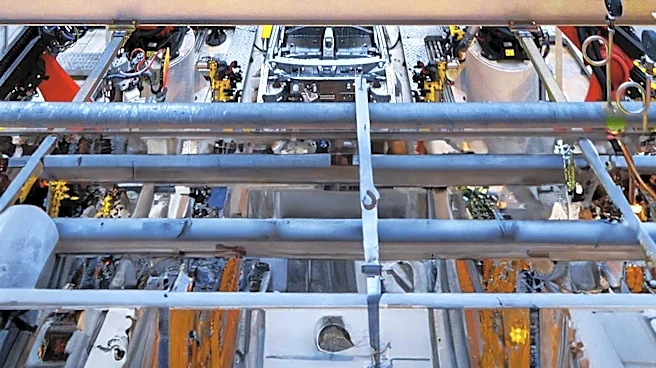
Scout Motors President and CEO Scott Keogh provided an update on the company's progress, confirming that validation units for its electric trucks are currently being produced at a 90% completed factory. Keogh stated that customer deliveries are slated
for 2028, slightly later than the initial 2027 target but still considered on track given the two-year development period. The company has amassed 212,000 reservations, with a goal of reaching 400,000 by launch. Production capacity at the Blythewood, South Carolina factory is projected to reach 200,000 units annually, with potential for expansion to 400,000. The initial launch will prioritize the Traveler EREV (Extended Range Electric Vehicle) model, which accounts for 87% of current reservations, followed by the Terra model. Keogh also affirmed that the starting price for the EREV Traveler will remain in the high $50,000s, despite inflation and tariff challenges, with fully loaded versions potentially reaching the high $80,000s to low $90,000s.
Why It's Important?
Scout Motors' re-entry into the American automotive market, backed by Volkswagen Group, signifies a strategic move to capture a significant share of the lucrative truck and SUV segment in the U.S. Volkswagen Group currently lacks body-on-frame vehicles in this market, making Scout crucial for its financial recovery and market diversification. The commitment to a direct-to-consumer sales model, despite ongoing legal challenges with dealer associations in various states, highlights a broader industry trend towards new retail strategies. The emphasis on building a robust service infrastructure from day one, with plans for 100 dedicated Scout stores that combine sales and service, addresses a critical pain point experienced by other EV startups. This approach aims to build customer confidence and ensure a smoother ownership experience, which could set a new standard for emerging automotive brands.
What's Next?
Scout Motors will continue its validation vehicle production throughout 2027, progressively refining its models (VFF1s to VFF2, PVS, and then customer production). The company plans to fully open its configurator, allowing reservation holders to finalize their orders with transparent pricing and options, which will be a key step in converting reservations into actual sales. Scout will also persist in its efforts to secure direct sales licenses across all 50 states, navigating legal battles with existing dealership networks. The development of its service infrastructure, including the establishment of 100 Scout stores, will be a major undertaking leading up to the 2028 launch. While an IPO is not currently planned, the company has been structured to allow for future outside investments or a public offering, indicating potential long-term financial strategies.
Beyond the Headlines
The revival of the Scout brand taps into a strong sense of American automotive heritage and nostalgia, appealing to consumers who value rugged, authentic vehicles. This emotional connection, combined with the brand's commitment to American manufacturing in South Carolina, could foster a loyal customer base beyond typical EV adopters. The decision to prioritize the EREV model reflects a pragmatic understanding of current consumer preferences, offering a bridge for internal combustion engine owners to transition to electric vehicles with the reassurance of extended range. This strategy could mitigate range anxiety, a significant barrier to EV adoption. Furthermore, Scout's independent structure within the Volkswagen Group, coupled with its unique body-on-frame platform, presents potential for future collaborations or platform sharing within the larger group, possibly leading to new vehicle offerings under other Volkswagen brands in the U.S. market.