





What's Happening?
Axe, a prominent brand in personal care, is actively participating in the Y2K revival by reintroducing several nostalgic fragrances from the late 1990s and early 2000s. These include popular scents like Kilo, Touch, and Anarchy. In addition to bringing
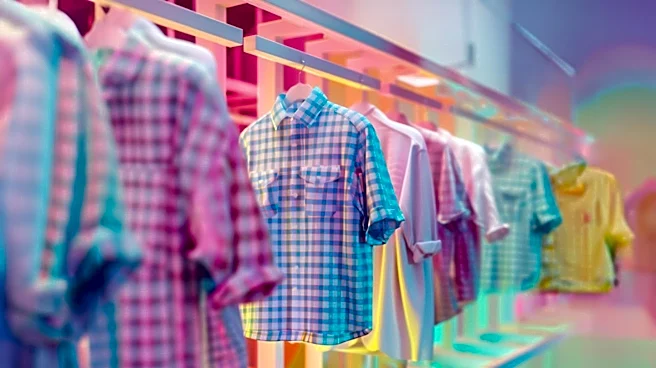
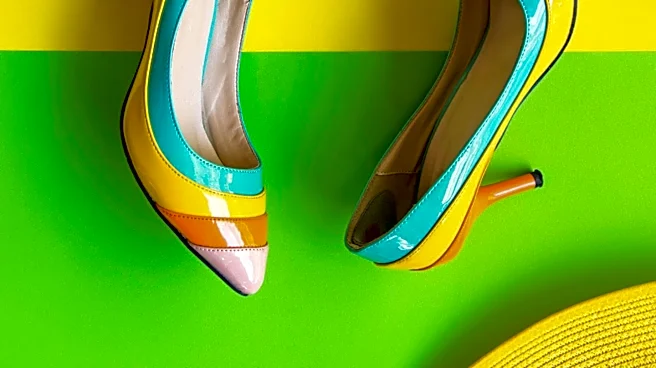
back these classic aromas, Axe has also launched a new limited-edition collection named Afterdate. This strategic move is designed to appeal to two distinct consumer groups: those who experienced the original Y2K era and harbor nostalgia for its products, and younger audiences who are currently drawn to the aesthetic and cultural trends of that period. The brand's initiative reflects a broader market trend where companies are leveraging past popular culture to create new engagement and sales opportunities. This approach is not limited to fragrances but is also observed in other sectors, such as fashion, where Y2K-inspired styles are making a comeback.
Why It's Important?
The reintroduction of Y2K-era products by a major brand like Axe highlights a significant trend in consumer behavior and marketing strategy within the U.S. market. This trend, driven by nostalgia, allows brands to tap into established emotional connections with older consumers while simultaneously attracting younger demographics who view these past trends as novel and fashionable. For the U.S. personal care industry, this could signify a shift towards more retro-inspired product lines and marketing campaigns, potentially influencing product development and advertising budgets. Economically, successful re-releases can generate substantial revenue by capitalizing on existing brand recognition and cultural resonance. This strategy also demonstrates the power of cultural cycles in influencing market demand, suggesting that brands can find success by re-evaluating their historical product portfolios for contemporary relevance. The success of such campaigns could encourage other brands across various industries to explore similar nostalgic marketing tactics.
What's Next?
Following Axe's reintroduction of Y2K fragrances and the launch of its Afterdate collection, it is anticipated that other brands, particularly in the fashion and consumer goods sectors, may intensify their efforts to capitalize on the Y2K revival. This could lead to a proliferation of products and marketing campaigns that draw inspiration from the late 90s and early 2000s. Consumers can expect to see more limited-edition releases, collaborations with Y2K-era influencers or artists, and themed events designed to evoke nostalgia. Brands will likely monitor the sales performance and consumer reception of these initial Y2K-inspired offerings to gauge the long-term viability of this trend. The competitive landscape may also see increased innovation in how brands integrate historical elements with modern preferences, potentially leading to hybrid products that blend retro aesthetics with contemporary functionality. The success of these initiatives will determine whether the Y2K revival evolves into a sustained market segment or remains a fleeting trend.
Beyond the Headlines
The Y2K revival, exemplified by Axe's product reintroductions, extends beyond mere commercial strategy; it reflects deeper cultural and psychological phenomena. This resurgence suggests a collective yearning for simpler times or a romanticized past, particularly among younger generations who did not experience the original era but are drawn to its distinct aesthetic. Ethically, brands must navigate the line between genuine nostalgia and exploitative marketing, ensuring that their campaigns resonate authentically without trivializing the cultural significance of the past. Legally, the reintroduction of older product lines may involve revisiting intellectual property rights and brand legacy, especially if original formulations or designs are altered. Culturally, the Y2K trend highlights the cyclical nature of fashion and popular culture, where elements from previous decades are reinterpreted and integrated into contemporary society. This continuous re-evaluation of historical trends can influence artistic expression, design principles, and even social norms, shaping how future generations perceive and interact with cultural heritage.