





What's Happening?
New research from Locus Robotics indicates that Gen Z shoppers are significantly reshaping purchasing and returns behaviors in the U.S. retail sector, particularly in apparel, beauty, and skincare. A key finding is that 61% of Gen Z apparel shoppers engage
in 'bracketing,' where they buy multiple sizes or styles with the intention of keeping only one. This contrasts sharply with only 15% of Baby Boomers who do the same. Additionally, Gen Z and millennials are far more likely to discover products through social media and make purchases quickly after discovery, with 79% of Gen Z and 75% of millennials buying products within three days of social media discovery. These behaviors are creating new and complex fulfillment requirements for retailers, leading to increased returns volume and unpredictable demand spikes.
Why It's Important?
This shift in consumer behavior has substantial implications for U.S. retailers, particularly those in the apparel, beauty, and skincare industries. The high incidence of 'bracketing' among Gen Z shoppers translates directly into a significant increase in product returns, creating additional operational burdens for retailers in terms of inspection, sorting, and restocking. This extra work competes with resources needed for fulfilling new orders, potentially slowing down overall operations and increasing costs. The social media-driven purchasing patterns also mean that demand can surge unexpectedly, requiring highly flexible and adaptable warehouse automation systems. Retailers that fail to adjust their fulfillment strategies to accommodate these generational buying habits risk higher operational costs, reduced efficiency, and potential customer dissatisfaction. The need for advanced automation, as highlighted by Rick Faulk, CEO of Locus Robotics, becomes critical for maintaining competitiveness in this evolving retail landscape.
What's Next?
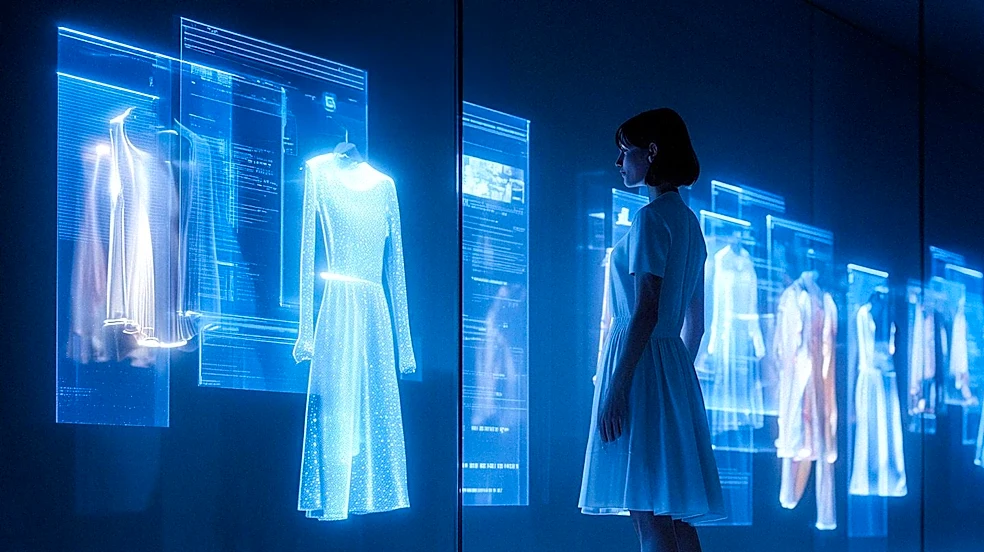
U.S. retailers are expected to invest further in flexible automation systems and advanced logistics to manage the increased volume of returns and unpredictable demand patterns. This will likely include adopting technologies that can quickly process returns, re-stock inventory, and adapt to sudden spikes in orders. Retailers may also explore strategies to mitigate 'bracketing,' such as enhanced virtual try-on tools or more detailed product descriptions to help customers make more informed purchasing decisions. The influence of social media on purchasing will continue to grow, pushing retailers to integrate social commerce more deeply into their sales and marketing strategies. The long-term trend suggests a continued evolution in retail fulfillment, with a strong emphasis on agility and technological integration to meet the demands of younger, digitally native consumers.
Beyond the Headlines
The 'bracketing' phenomenon and social media-driven purchases reflect a broader cultural shift in consumer expectations and digital literacy. Gen Z, having grown up with e-commerce, views returns as an integral part of the shopping experience rather than an inconvenience. This behavior also underscores the power of instant gratification and the influence of online trends. For retailers, this isn't just an operational challenge but a strategic one, requiring a re-evaluation of their entire customer journey, from discovery to post-purchase. The environmental impact of increased returns, including packaging waste and transportation emissions, also presents a less obvious but significant implication that retailers may need to address through sustainable practices and optimized logistics. This trend highlights the need for a holistic approach to retail that integrates technology, customer experience, and environmental responsibility.