




What's Happening?
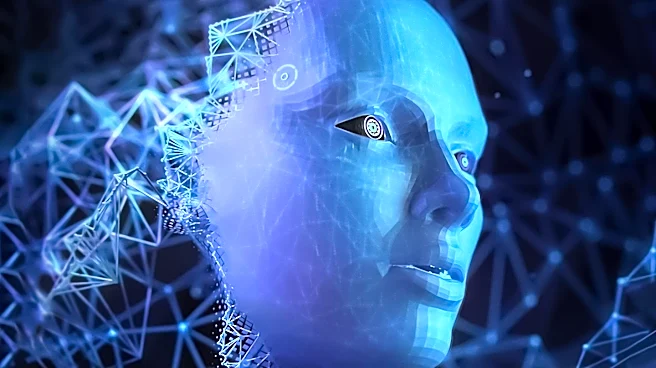
The influencer marketing industry is grappling with new contractual complexities as artificial intelligence (AI) clones of influencers enter the scene. Agencies are now pushing for separate fees, consent, and usage limits for AI-generated replicas of creators'
faces and voices. This development raises questions about whether a brand's original endorsement fee should cover the right to generate future performances using AI. Executives indicate that AI-related clauses are increasingly appearing in creator agreements, leading to negotiations over distinct licensing fees, consent protocols, reuse restrictions, and legal liability. While some agencies are resisting broad usage rights, others note that AI-generated replicas are still largely experimental in the influencer marketing sector.
Why It's Important?
The emergence of AI clones in influencer marketing has significant implications for the U.S. advertising and entertainment industries. This shift could fundamentally alter how brands compensate creators, moving beyond per-post or per-campaign fees to a model that licenses a creator's digital identity for specific commercial uses. This change impacts both influencers, who need to protect their digital likeness rights, and brands, who seek to leverage AI for scalable content creation. The debate over compensation and usage rights highlights the need for clear legal frameworks and industry standards to address intellectual property in the age of AI. Without such clarity, there could be disputes over ownership, unauthorized use, and the ethical implications of creating synthetic endorsements, potentially affecting the trust consumers place in influencer marketing.
What's Next?
As AI technology advances, the negotiation of AI likeness rights is expected to become a standard component of influencer contracts. This will likely lead to the development of distinct commercial models for licensing digital identities, separate from traditional content usage clauses. Future contracts will need to differentiate between editing existing content, generating new performances, and training AI models on a creator's material. Key areas of negotiation will include platforms, territories, languages, product categories, and duration of use for AI replicas. Additionally, discussions will intensify around who approves AI-generated scripts and product claims, and what happens to trained AI models and source material after an agreement concludes. The industry will also need to address liability for misleading claims or unauthorized outputs generated by AI clones.
Beyond the Headlines
The rise of AI clones in influencer marketing extends beyond mere contractual adjustments, touching upon deeper ethical and legal considerations. The ability to create synthetic versions of individuals raises questions about authenticity, consent, and the potential for deepfakes to mislead consumers. This development could lead to a redefinition of 'identity' in the digital age, where a person's likeness can be detached from their physical presence and commercially exploited. Legal frameworks may need to evolve to protect individuals from unauthorized digital replication and to establish clear lines of accountability for AI-generated content. Culturally, this trend could further blur the lines between reality and simulation, impacting how audiences perceive and trust media, potentially leading to increased skepticism towards endorsements and public figures. The long-term implications could include new forms of digital identity management and protection.