


What's Happening?
The 'quiet luxury' trend is gaining prominence in home interiors, focusing on quality, proportion, texture, and finish over overt branding or statement pieces. This approach prioritizes understated elegance, utilizing good fabrics, meticulous upkeep,
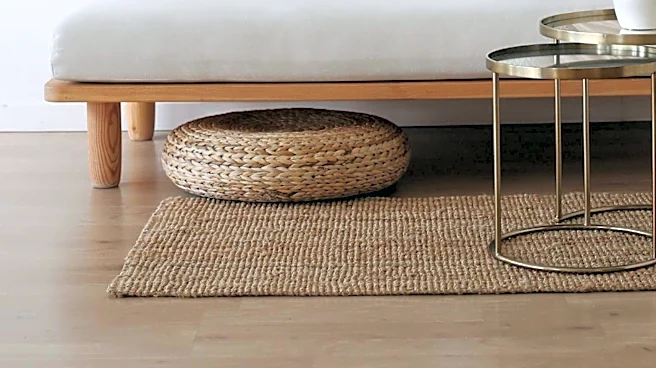
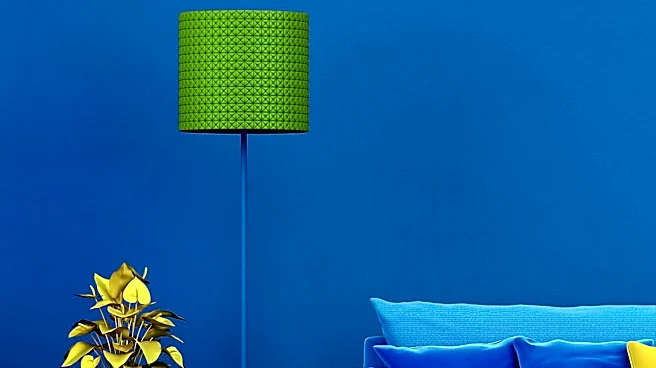
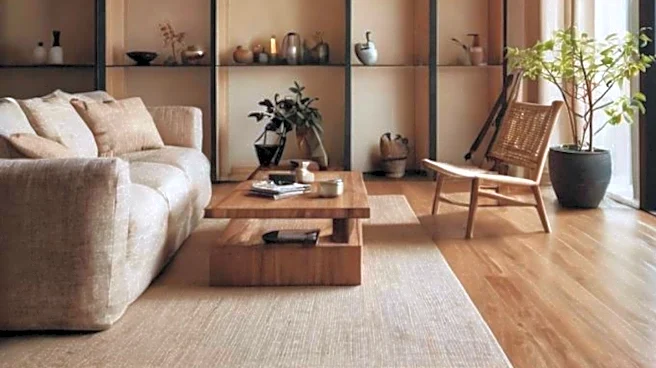
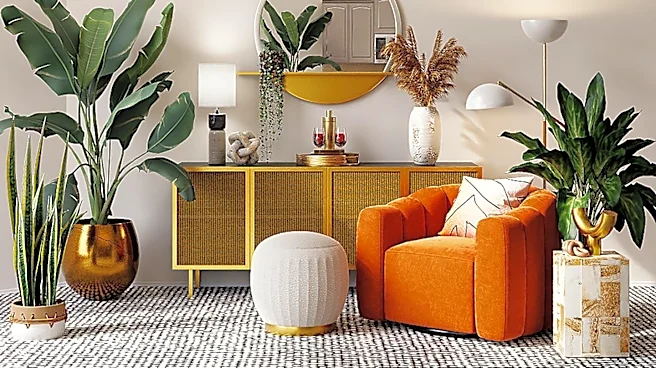
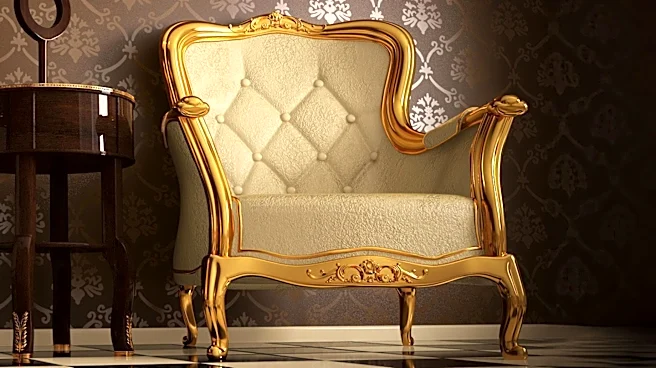
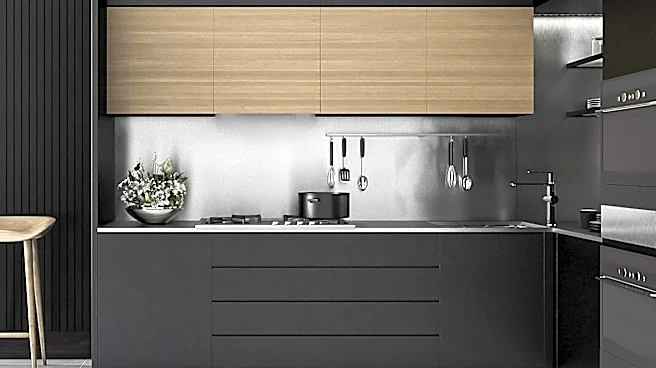
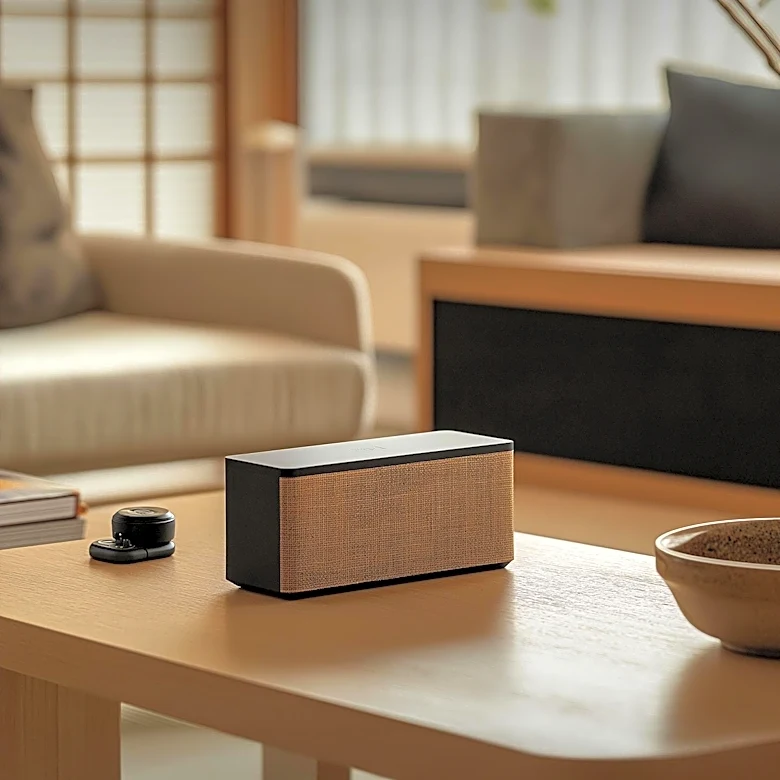
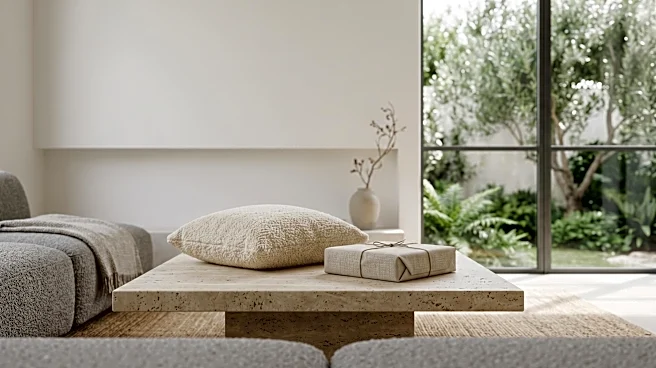
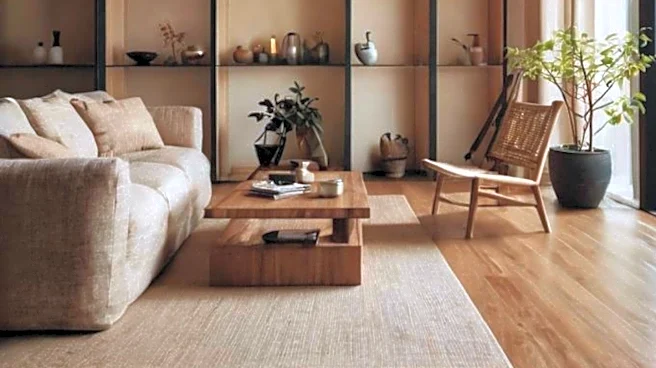
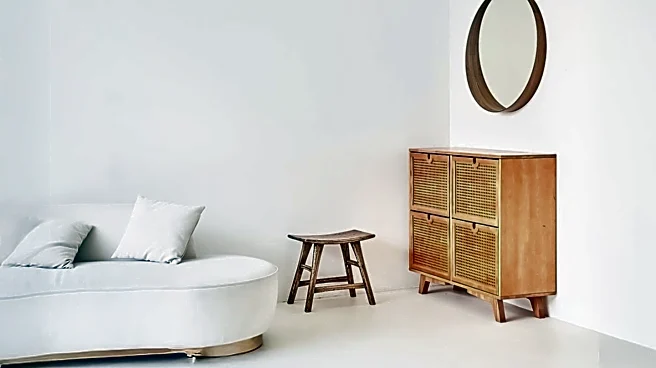
and a limited palette of neutral colors. It stands in contrast to maximalism, which is characterized by vibrant and extravagant designs. For instance, fabric chaise sofas are being designed with clean lines and natural-looking fabrics in restrained tonal colors to fit this aesthetic. The trend emphasizes thoughtful material selection, such as stone, oak, linen, and wool, to create edited and calm room environments. This design philosophy suggests that fewer, carefully chosen pieces contribute more to a room's ambiance than a multitude of busy accessories, reflecting a shift towards subtle sophistication in home decor.
Why It's Important?
This shift towards quiet luxury in home furnishings signifies a broader consumer preference for durability, craftsmanship, and timeless design over fleeting trends and conspicuous consumption. For U.S. furniture manufacturers and retailers, this means a potential increase in demand for high-quality, sustainably sourced materials and classic designs. Companies that can adapt their product lines to offer tailored silhouettes, natural fabrics, and neutral color schemes are likely to gain a competitive edge. Conversely, brands heavily reliant on bold patterns, excessive ornamentation, or overt branding may need to re-evaluate their strategies. This trend also impacts interior designers, who will increasingly focus on creating serene, edited spaces that highlight material integrity and subtle sophistication, potentially leading to a rise in demand for bespoke and custom-made pieces that embody these principles.
What's Next?
The quiet luxury trend is expected to continue influencing product development and marketing strategies within the U.S. home furnishings market. Manufacturers will likely invest more in research and development for high-quality, natural fabrics and durable construction methods. Retailers may curate collections that emphasize neutral palettes, minimalist designs, and the tactile qualities of materials. We could also see an increase in collaborations between furniture brands and artisans specializing in natural materials and traditional craftsmanship. Consumers, driven by a desire for longevity and understated style, will likely seek out pieces that offer both aesthetic appeal and lasting value. This could also lead to a greater emphasis on sustainable practices and transparent sourcing within the industry, as quality and ethical production align with the values of quiet luxury.
Beyond the Headlines
Beyond its aesthetic appeal, the quiet luxury trend in home interiors reflects a deeper cultural shift towards mindful consumption and a rejection of fast-fashion mentalities in home decor. It encourages consumers to invest in pieces that are not only beautiful but also durable and timeless, potentially reducing waste and promoting a more sustainable lifestyle. This emphasis on quality over quantity can foster a greater appreciation for craftsmanship and the intrinsic value of materials. Ethically, it may push manufacturers to adopt more responsible production practices and supply chains. Culturally, it suggests a desire for tranquility and authenticity in personal spaces, moving away from the constant stimulation of maximalist trends. This trend could also influence other sectors, such as fashion and personal care, as the underlying principles of understated quality and longevity resonate across various consumer goods.