




What's Happening?
Omnichannel fulfillment is a strategic approach that integrates sales channels, inventory, and fulfillment locations to streamline the customer buying, receiving, and returning experience. This method connects online stores, mobile apps, physical locations,
and third-party marketplaces into a unified system. Unlike multichannel fulfillment, where channels often operate independently, omnichannel fulfillment ensures inventory is visible and synchronized across all points of sale and storage. Orders are managed through integrated systems, allowing for coordinated fulfillment and flexible routing based on inventory availability, location, delivery speed, and cost. This integrated approach aims to make operations more efficient and provide a smoother customer journey, with retailers reporting benefits such as lower fulfillment costs and reduced abandoned carts.
Why It's Important?
The adoption of omnichannel fulfillment is crucial for U.S. retailers facing evolving consumer expectations for seamless shopping experiences. By connecting inventory and sales channels, businesses can significantly reduce instances of out-of-stock situations, which currently contribute to substantial financial losses. This strategy allows retailers to leverage inventory across their entire network, including physical stores and warehouses, to meet demand more effectively. The ability to route orders based on various factors, such as proximity to the customer or inventory levels, enhances operational efficiency and can lead to faster delivery times. This not only improves customer satisfaction but also helps retailers optimize their resources and protect profit margins in a competitive market.
What's Next?
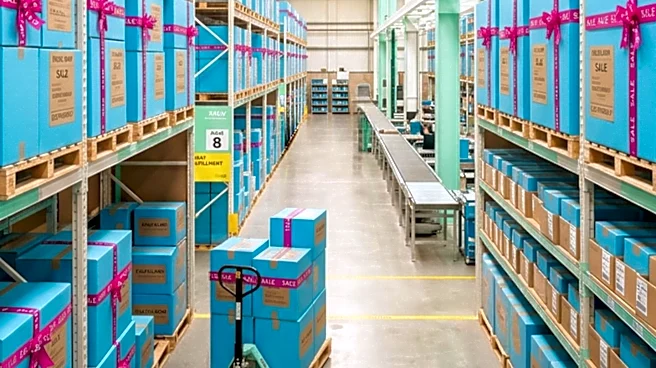
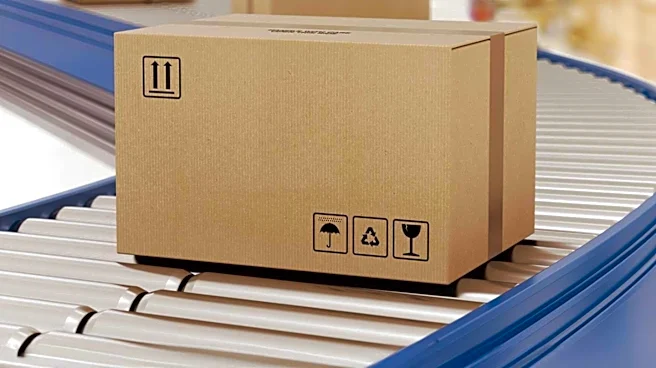
Retailers are expected to continue refining their omnichannel fulfillment strategies by implementing advanced technological solutions. This includes leveraging Order Management Systems (OMS), Inventory Management Systems (IMS), Warehouse Management Systems (WMS), and Enterprise Resource Planning (ERP) to ensure data synchronization across all operations. The integration of AI and analytics will play a growing role in demand forecasting and inventory optimization, allowing businesses to strategically place stock closer to customer demand. Furthermore, the adoption of warehouse automation, such as robotics and Automated Storage and Retrieval Systems (ASRS), will become more prevalent to enhance picking, packing, and shipping efficiency, ultimately supporting faster and more accurate order fulfillment across diverse sales channels.
Beyond the Headlines
The shift towards omnichannel fulfillment represents a fundamental change in how retailers view their supply chains and customer interactions. Beyond the immediate operational benefits, this strategy fosters a more customer-centric business model, where convenience and flexibility are paramount. It also highlights the increasing importance of data integration and technological infrastructure in modern retail. The ethical implications include ensuring data privacy and security across interconnected systems, while the legal landscape may evolve to address new complexities in cross-channel sales and returns. Culturally, it reinforces the expectation of instant gratification and personalized service, pushing businesses to continuously innovate their fulfillment processes to meet these demands.