








What's Happening?
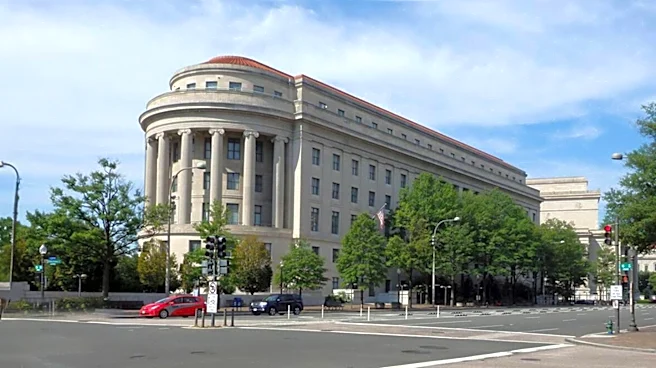
On October 29, 2026, the U.S. Equal Employment Opportunity Commission (EEOC) announced the immediate rescission of its 2012 enforcement guidance concerning employers' use of arrest and conviction records under Title VII of the Civil Rights Act of 1964.
This guidance previously addressed both differential treatment based on race or national origin and neutral criminal history policies that disproportionately excluded protected groups without being job-related and consistent with business necessity. The 2012 guidance encouraged a targeted approach, considering the nature and seriousness of the offense, time elapsed, and the position's nature. EEOC Chair Andrea Lucas stated that this rescission aligns with constitutional constraints and the limits of the EEOC's authority, while reaffirming that Title VII continues to prohibit race and national origin discrimination. The withdrawal does not reinstate earlier policy statements or require employers to discontinue lawful practices adopted in response to the now-rescinded guidance.
Why It's Important?
The EEOC's decision to withdraw its 2012 guidance is significant for U.S. employers, as it necessitates a careful review of existing background screening policies. While the guidance itself has been rescinded, the underlying legal framework of Title VII remains in effect, meaning employers are still prohibited from engaging in discriminatory practices. The withdrawal does not validate all facially neutral criminal history policies, nor does it eliminate private disparate impact claims. Employers who reflexively broaden automatic exclusions based on criminal history without a job-related and business-necessity justification could face increased legal exposure. The emphasis remains on consistent, race-neutral treatment in background screening, ensuring that any exclusions are directly tied to job-related risks and are not broader than necessary.
What's Next?
Employers are advised to thoughtfully review and strengthen their current criminal history policies rather than hastily rolling them back or expanding automatic exclusions. The distinction between agency policy and judicially enforceable obligations is critical; the withdrawal does not mean that every facially neutral criminal history policy is lawful. Companies should assess whether their screening rules address specific job-related risks and ensure that any exclusions are not overly broad. The EEOC has indicated it will continue to vigorously enforce protections against discrimination based on race or national origin. Therefore, employers must maintain a focus on race-neutral treatment in their background screening processes to avoid potential liability under Title VII.