








What's Happening?
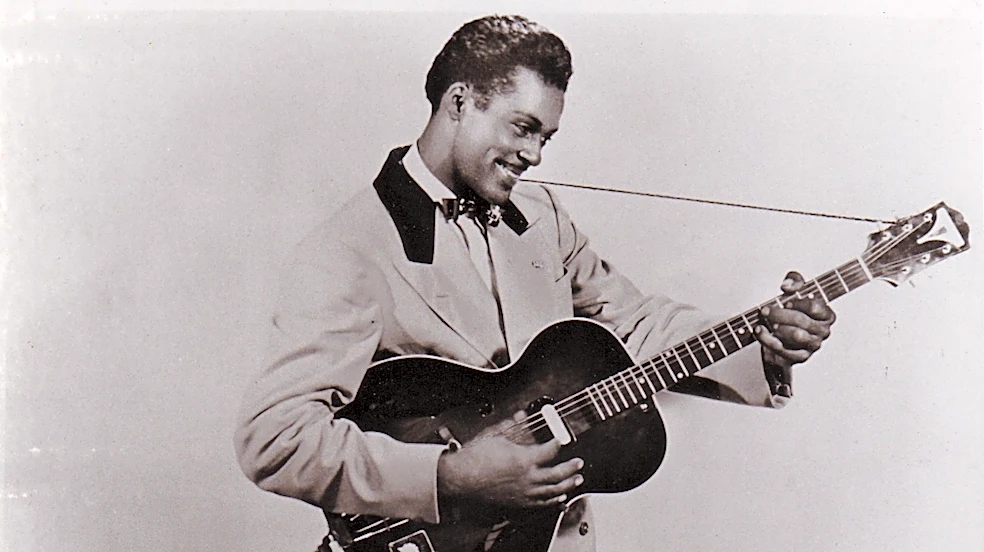
The Rolling Stones' 1964 recording of Chuck Berry's 1958 rock and roll classic, 'Carol,' is being revisited and analyzed for its significance in the band's early career and its contribution to their sound. Recorded in London in January 1964, the Stones' version
transformed Berry's original into a more raw and energetic track, characterized by Mick Jagger's vocals, Keith Richards' and Brian Jones' guitar work, and the rhythm section of Bill Wyman and Charlie Watts. This cover was the first Chuck Berry composition the Stones included on an LP, appearing on their 1964 debut album. The analysis highlights how the band stayed faithful to Berry's structure while intensifying the performance, making it a staple of their live shows for years. The recording also notably features a squeaking bass drum pedal from Charlie Watts and a somewhat abrupt fade-out, elements that contributed to its raw character.
Why It's Important?
The Rolling Stones' rendition of 'Carol' is important because it showcases the band's early influences and their ability to reinterpret existing material with their distinctive style. By embracing Chuck Berry's musical language, the Stones not only paid homage to a rock and roll pioneer but also established a foundation for their own sound, which would become globally influential. This cover helped define their identity as a band that could take established songs and infuse them with a tougher, faster, and more dangerous edge. The song's continued presence in their live repertoire, as evidenced by its inclusion on 'Get Yer Ya-Ya’s Out!' in 1970, demonstrates its lasting appeal and its role in the band's evolution. The analysis also underscores the interconnectedness of rock and roll history, showing how one artist's work can inspire and shape the trajectory of another, ultimately contributing to the genre's rich tapestry.
What's Next?
While the article primarily focuses on a historical analysis of 'Carol,' its continued discussion suggests an ongoing interest in the foundational works of rock and roll and the influence of early artists on subsequent generations. This type of retrospective analysis often leads to renewed appreciation for classic recordings and can inspire new interpretations or scholarly works. For fans of The Rolling Stones and Chuck Berry, such discussions reinforce the enduring legacy of these artists and their contributions to music. It also serves as a reminder of how early covers can become integral to a band's identity and catalog, prompting further exploration of their discography and live performances.
Beyond the Headlines
The deeper implication of The Rolling Stones' 'Carol' lies in its illustration of musical inheritance and transformation. It highlights how artists build upon the work of their predecessors, not merely by imitation but by reinterpretation that imbues the original with new meaning and energy. This process is crucial to the evolution of musical genres, allowing for continuity while fostering innovation. The Stones' ability to make Berry's song 'feel as though the walls might shake' speaks to the power of performance and the intangible qualities that define a band's unique sound. Furthermore, the anecdote of Jimmy Page remembering the Stones' raw power when performing 'Carol' underscores the impact of live music and how certain performances can leave a lasting impression on other musicians, influencing their own artistic paths.