





What's Happening?
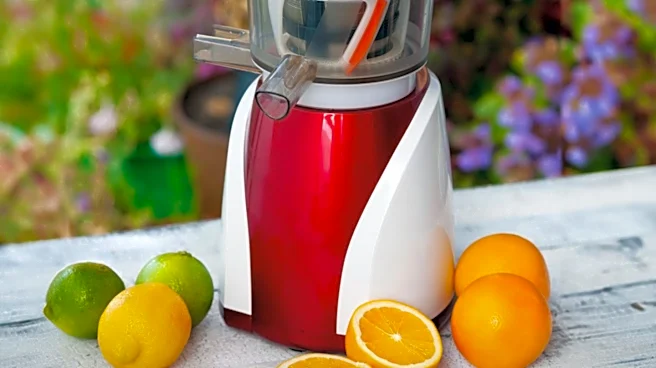
Nutribullet has released a comparison between centrifugal and cold press juicers, detailing their differences in performance, especially concerning green juice. Centrifugal juicers are highlighted for their speed and convenience, utilizing a fast-spinning
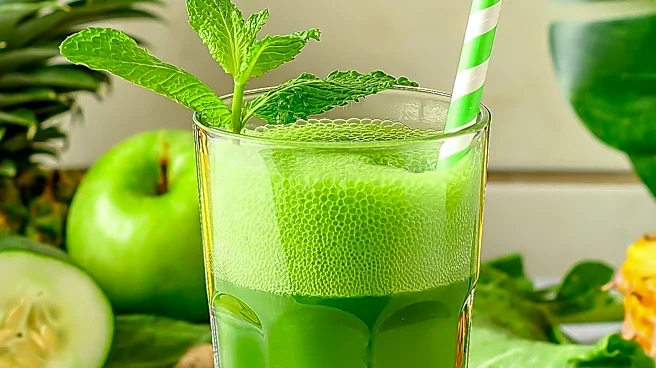
blade to shred produce. They are generally more affordable and efficient for hard fruits and vegetables. However, they tend to incorporate more air, leading to foamier juice and potentially lower yields for leafy greens. Cold press juicers, also known as masticating or slow juicers, use a slowly rotating auger to crush and press produce. This method typically results in higher juice yields, less foam, and quieter operation, making them more effective for leafy greens like kale and spinach. The comparison emphasizes that while both types produce fresh juice, their mechanisms affect juice quality, preparation time, cleanup, and suitability for different types of produce. The article advises consumers to consider their juicing habits, preferred ingredients, and budget when choosing between the two.
Why It's Important?
This comparison is important for consumers interested in healthy eating and home juicing, particularly those who regularly make green juice. Understanding the distinctions between centrifugal and cold press juicers can help individuals make informed purchasing decisions that align with their lifestyle and nutritional goals. For those prioritizing nutrient retention and maximum yield from leafy greens, a cold press juicer might be a better investment, despite its higher cost. Conversely, individuals seeking quick, convenient juicing for harder produce might find centrifugal juicers more suitable. The information helps consumers optimize their juicing experience, potentially leading to better health outcomes through increased consumption of fresh produce. It also highlights the trade-offs between speed, efficiency, cost, and juice quality, empowering users to select a product that best meets their specific needs for green juice and other fresh beverages.
What's Next?
Consumers considering a juicer purchase will likely use this information to evaluate models from various brands, including Nutribullet's own offerings. The detailed breakdown of features, pros, and cons for each juicer type will guide potential buyers in assessing which machine best fits their kitchen routine and dietary preferences. Manufacturers may continue to innovate in both centrifugal and cold press technologies, focusing on improving efficiency, reducing noise, and simplifying cleanup to attract a broader customer base. The market for juicers is expected to evolve with consumer demand for healthier lifestyle options, potentially leading to more hybrid models or advanced features that combine the benefits of both juicer types. Retailers might also leverage such comparisons to better advise customers and tailor their product recommendations.
Beyond the Headlines
The ongoing debate and technological advancements in juicing methods reflect a broader societal trend towards health consciousness and personalized nutrition. As consumers become more educated about the benefits of fresh produce and specific nutrients, the demand for appliances that facilitate these dietary choices grows. The emphasis on 'green juice' specifically points to the popularity of nutrient-dense beverages for detoxification and overall wellness. This trend also highlights the role of appliance manufacturers in shaping consumer health practices by providing tools that make healthy eating more accessible. Furthermore, the discussion around juice yield and nutrient retention touches upon the scientific understanding of food processing and its impact on nutritional value, encouraging consumers to consider not just what they eat, but how it's prepared.