


What's Happening?
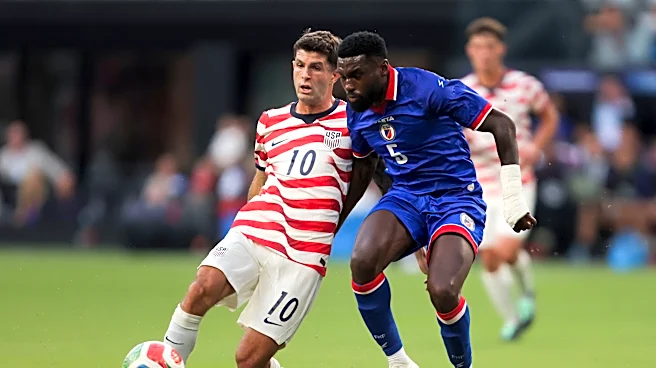
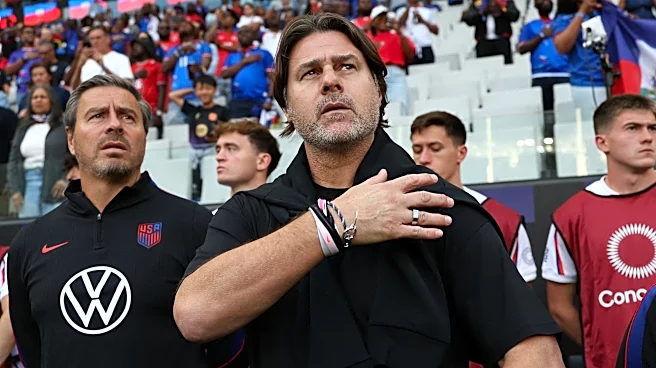
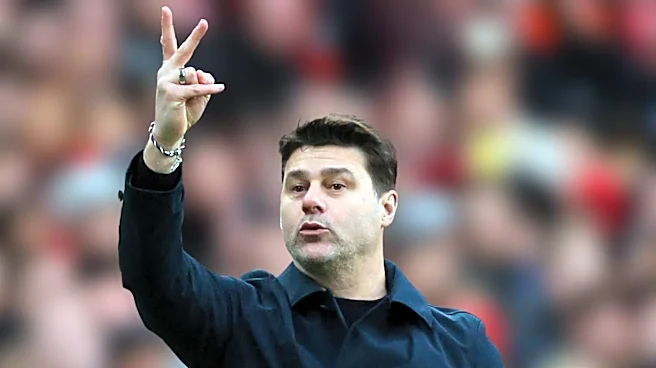
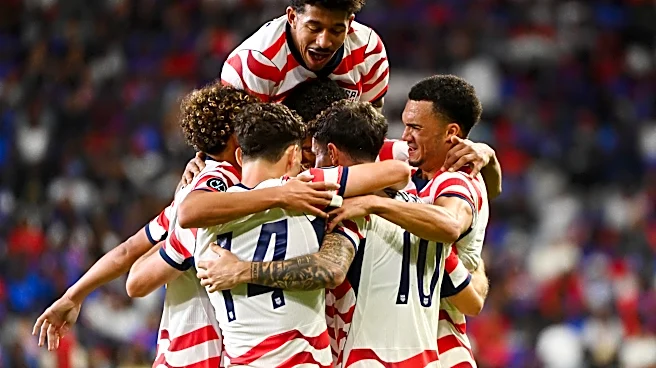
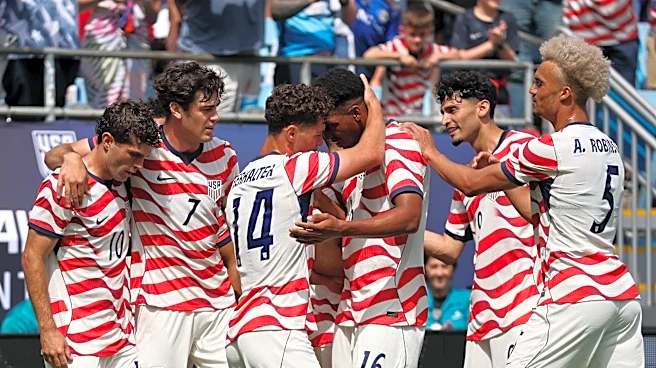
Mauricio Pochettino is transitioning from his role as coach of the U.S. national team to take over as manager of Manchester United. He will lead the U.S. team in a CONCACAF Nations League quarter-final second leg against Haiti before immediately heading
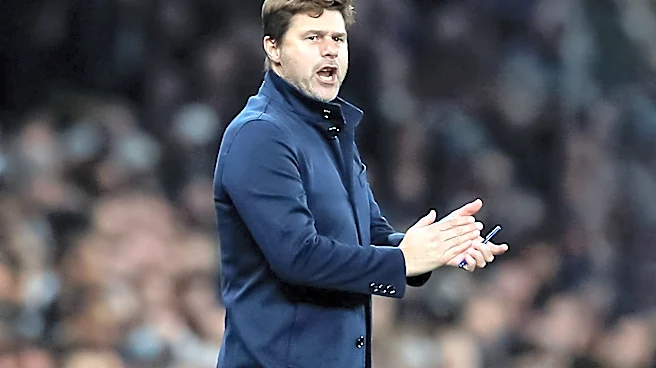
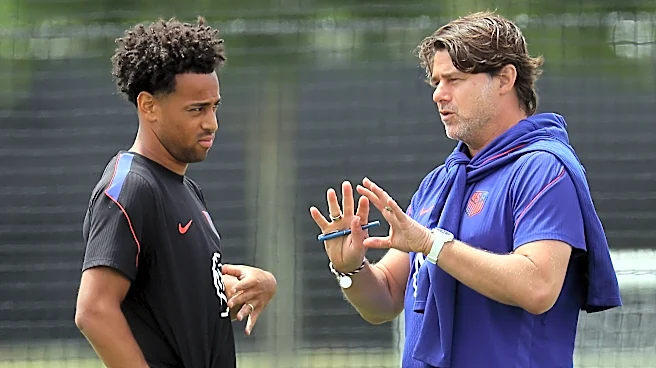
to England. Pochettino stated that his experience coaching the U.S. national team, particularly the limited time available for training during international windows, has significantly improved his coaching abilities. He emphasized that his coaching staff is well-prepared for the quick adjustment required to manage Manchester United, which is currently in the relegation zone of England's top flight. His first major challenge with Manchester United will be a Premier League match against Liverpool.
Why It's Important?
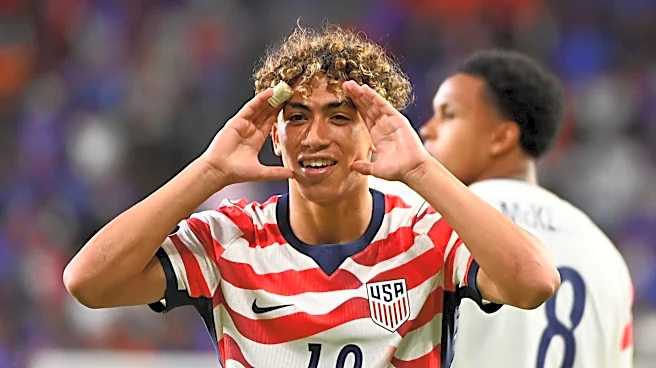
This move is significant for U.S. soccer as it marks the departure of a high-profile coach who has influenced the national team for over two years. While Pochettino believes his time with the U.S. has made him a 'much better' coach, his exit creates a vacancy that will need to be filled, potentially impacting the team's trajectory and preparation for future international competitions. For U.S. players like Folarin Balogun, Tyler Adams, and Weston McKennie, who have developed under Pochettino, this change could mean adapting to a new coaching philosophy. The transition also highlights the global nature of top-tier soccer, where coaches frequently move between national and club teams, often with implications for player development and national team performance.
What's Next?
Pochettino will immediately begin his tenure with Manchester United, facing a critical period to lift the team out of the relegation zone and prepare for upcoming Champions League matches. His coaching staff, including Jesus Perez, Sebastiano Pochettino, and Toni Jimenez, have already traveled to England to prepare. The U.S. national team will need to appoint a new coach, a decision that will be closely watched by fans and analysts to see how it impacts the team's strategy and player selection. Pochettino has indicated he will continue to monitor U.S. talent, suggesting potential future transfers of U.S. players to Manchester United.
Beyond the Headlines
Pochettino's comments about the unique challenges of coaching a national team—specifically the need to be 'very clinical' and impactful with limited training time—offer insight into the evolving demands of modern soccer management. This experience, he suggests, has honed his ability to quickly assess and motivate players, a skill that could be invaluable in the high-pressure environment of a struggling Premier League club. This situation also underscores the increasing recognition of U.S. soccer talent on the international stage, as a coach of Pochettino's caliber would consider U.S. players for a top European club. The narrative of a coach being 'improved' by a national team stint could also influence future coaching career paths, potentially making national team roles more attractive to elite coaches.