





What's Happening?
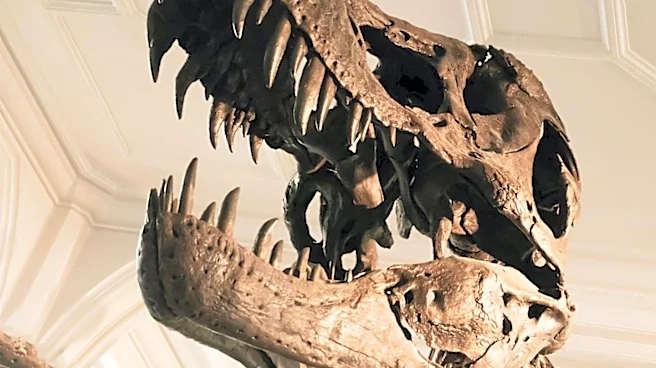
The Natural History Museum in Los Angeles has launched a new series called 'Mindfulness Mornings at the Museum,' which includes sound bath meditations held in its North American Mammal Hall. The inaugural sound bath, led by Oso Sound Healing Studio founder
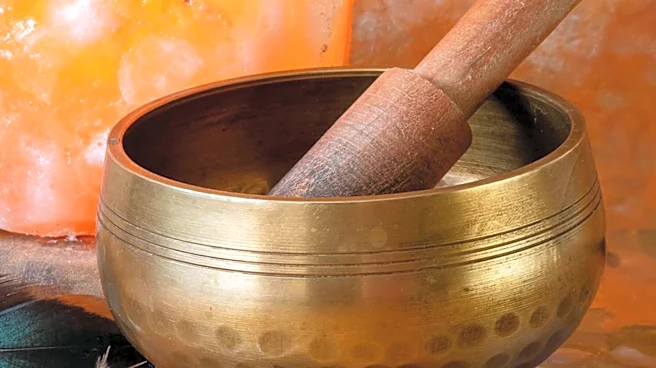
Avery Whitmore, took place earlier this month, drawing approximately 100 participants. During the hour-long session, attendees lay on mats surrounded by taxidermy dioramas, experiencing a symphony of chimes, crystal bowls, wave drums, and rain sticks, alongside breathwork and vocal exercises. The museum's manager of public programs, Joel Quizon, stated that the initiative aims to 'activate the museum space' and follows the success of previous wellness events, including sound baths during its 'First Fridays' series. Whitmore, who has collaborated with the museum previously, designed the experience to foster a deeper connection to animals and encourage introspection within the unconventional setting.
Why It's Important?
This initiative by the Natural History Museum signifies a growing trend in cultural institutions to integrate wellness practices into their offerings, potentially broadening their appeal beyond traditional educational and exhibition roles. By hosting events like sound baths, museums can attract new audiences seeking unique, immersive experiences that combine art, science, and personal well-being. This approach could lead to increased engagement and revenue for museums, which often face challenges in maintaining relevance and funding. For participants, the blend of a meditative practice with the historical and natural context of the museum offers a novel way to engage with the exhibits, potentially fostering a deeper appreciation for nature and history through a mindful lens. It also highlights the evolving understanding of public spaces as venues for holistic health and community connection.
What's Next?
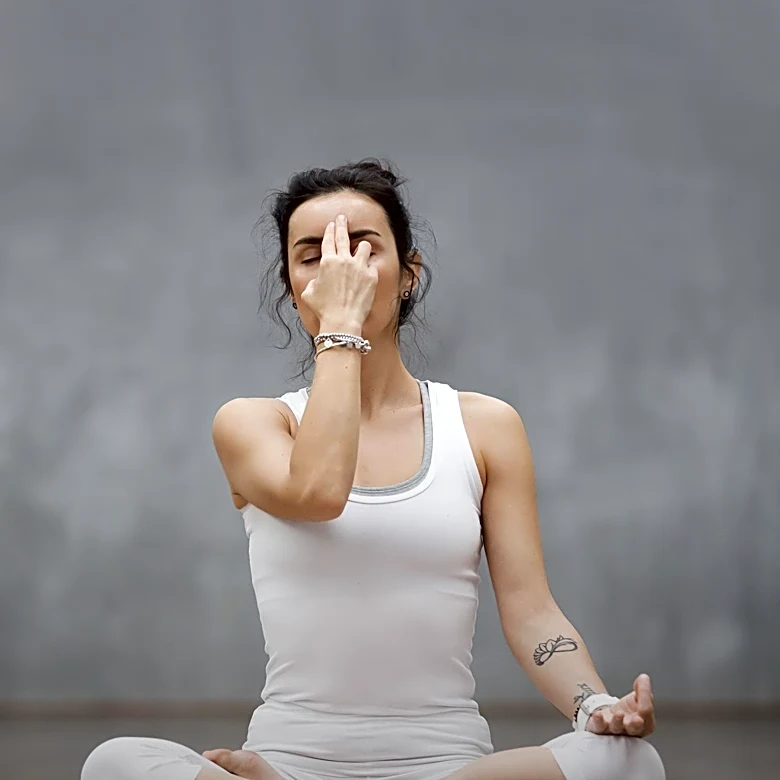
Following the successful sound bath, the Natural History Museum is scheduled to host a nearly sold-out yoga session on September 13 as part of its 'Mindfulness Mornings' series. Joel Quizon, the manager of public programs, expressed the museum's intention to continue organizing more such events in the future, indicating a potential expansion of its wellness programming. The positive reception from attendees, with many new to sound baths, suggests a strong demand for these types of experiences. Future events may explore different meditative practices or utilize other unique spaces within the museum, further integrating wellness into the cultural landscape. The museum will likely evaluate the success and feedback from these initial events to shape its long-term strategy for engaging the public through mindfulness and holistic practices.
Beyond the Headlines
The integration of sound baths within a natural history museum setting raises intriguing questions about the intersection of science, spirituality, and public engagement. The presence of taxidermy, representing preserved life, alongside practices aimed at inner peace and connection, creates a unique juxtaposition. This could encourage visitors to contemplate themes of life, death, preservation, and our relationship with the natural world on a more profound, introspective level. The museum's role evolves from a passive repository of knowledge to an active facilitator of personal experience and reflection. This trend might also signal a broader cultural shift towards seeking holistic well-being in unexpected environments, challenging traditional boundaries between educational institutions and wellness centers. It underscores the potential for cultural spaces to offer solace and connection in an increasingly fast-paced world.