







What's Happening?
Dr. Randy D’Amico, director of the Brain and Spine Metastasis Program of Neurosurgery at Northwell Lenox Hill Hospital, has highlighted seven common habits that he believes are detrimental to long-term brain health. Among these habits, he specifically
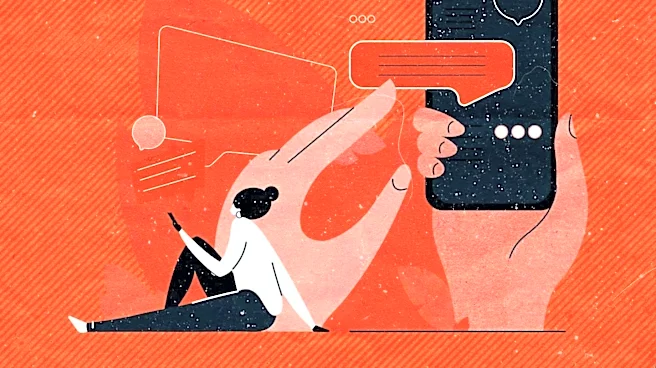
calls out 'doom scrolling' and constant digital stimulation as significant issues. According to Dr. D'Amico, the continuous influx of notifications and social media content can fracture attention, interfere with sleep, and prevent individuals from engaging in activities that challenge and strengthen the mind. He notes that this constant stimulation can lead to a diminished ability to focus and think clearly over time. Dr. D'Amico admits to struggling with this himself and observes it in his own children, emphasizing the importance of intentionally building 'boredom' back into daily life to encourage sustained attention. He suggests activities like quiet reading as a way to counteract the effects of constant digital engagement.
Why It's Important?
The neurologist's insights are crucial for public health, particularly in an era dominated by digital technology. The emphasis on 'doom scrolling' and constant stimulation underscores a growing concern about the cognitive impact of modern lifestyles. If these habits indeed damage brain health, as suggested, it could lead to widespread issues such as decreased attention spans, impaired memory, and reduced cognitive function across the U.S. population. This has implications for productivity, education, and overall societal well-being. The advice to 'build boredom back into your life' challenges the prevailing culture of constant engagement and could prompt individuals and institutions to re-evaluate their relationship with technology. Businesses might see shifts in consumer behavior as people seek to reduce digital overload, potentially impacting the tech and entertainment industries, while healthcare providers may face increased demand for cognitive health interventions.
What's Next?
Individuals may begin to adopt practices aimed at reducing digital overstimulation, such as setting aside dedicated time for non-digital activities like reading, as suggested by Dr. D'Amico. There could be a growing trend towards 'digital detoxes' or conscious efforts to limit screen time, particularly among parents concerned about their children's cognitive development. Educational institutions might explore integrating more activities that promote sustained attention and critical thinking, moving away from reliance on constant digital engagement. Technology companies could face pressure to design platforms and devices that encourage healthier usage patterns, potentially leading to new features or modes that help users manage their digital consumption. Public health campaigns might also emerge to raise awareness about the cognitive risks associated with excessive digital stimulation and promote brain-healthy habits.
Beyond the Headlines
The neurologist's observations touch upon deeper societal shifts related to technology and human cognition. The concept of 'doom scrolling' highlights a potential erosion of our capacity for sustained attention and deep thought, which could have profound long-term consequences for critical thinking, problem-solving, and creativity. The constant need for stimulation might be altering neural pathways, making it harder for individuals to tolerate quiet reflection or engage in complex tasks without immediate gratification. This raises ethical questions about the design of digital platforms and their responsibility in fostering healthy cognitive habits. Culturally, there might be a re-evaluation of the value of 'busyness' and constant connectivity versus the benefits of solitude, contemplation, and focused engagement. The long-term impact could be a generation with fundamentally different cognitive processing abilities, necessitating new approaches to education, work, and social interaction.