







What's Happening?
The U.S. housing market is experiencing a paradoxical situation where home prices have reached a record high, yet affordability has improved. According to the National Association of Realtors (NAR), the median existing-home sales price rose 1.8% year-over-year
to $440,600 in June. Despite this increase, the NAR Housing Affordability Index (HAI) improved from 95.5 to 102.3 over the same period, indicating better affordability. This improvement is attributed to a combination of factors, including a 3.5% annual wage growth outpacing the 1.8% rise in home prices and a decrease in mortgage rates from 6.82% in June 2025 to 6.49% last month. Regional variations exist, with the West and South seeing the most significant affordability gains due to slower home price increases and robust wage growth.
Why It's Important?
The improvement in housing affordability is significant for potential homebuyers who have faced challenges in entering the market due to high prices and interest rates. The combination of wage growth and lower mortgage rates provides a more favorable environment for purchasing homes, potentially increasing homeownership rates. However, the situation remains complex, as affordability improvements are not uniform across all regions. Areas with persistent inventory shortages, like the Northeast, continue to experience upward pressure on prices. The broader economic implications include potential shifts in housing demand and construction activity, as well as the need for policy interventions to address supply constraints.
What's Next?
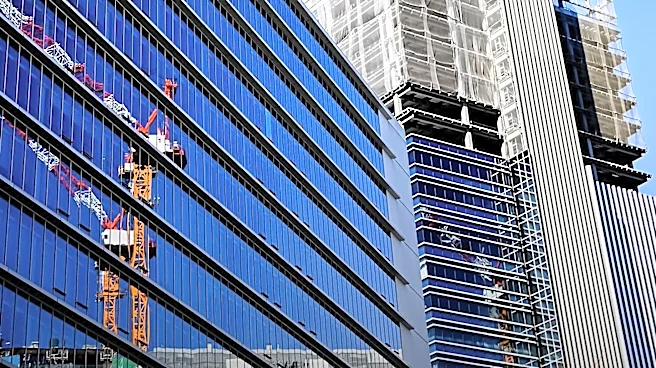
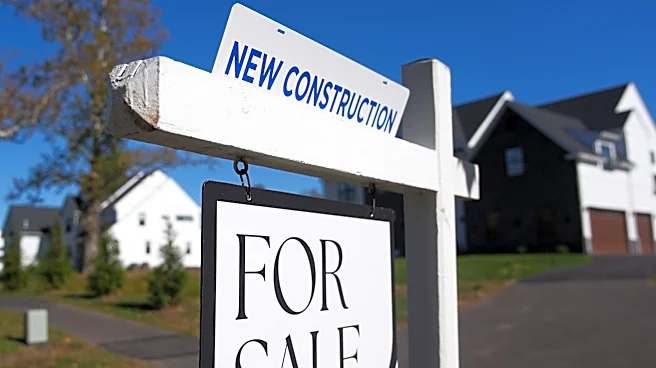
Future affordability will largely depend on the trajectory of mortgage rates and wage growth. While current conditions offer a window of opportunity for buyers, geopolitical uncertainties, such as conflicts in the Middle East, could impact economic stability and interest rates. Additionally, increasing housing supply through new construction and regulatory reforms remains crucial to sustaining affordability improvements. Economists suggest converting commercial spaces into residential units and reducing regulatory barriers to expedite construction as potential solutions.