







What's Happening?
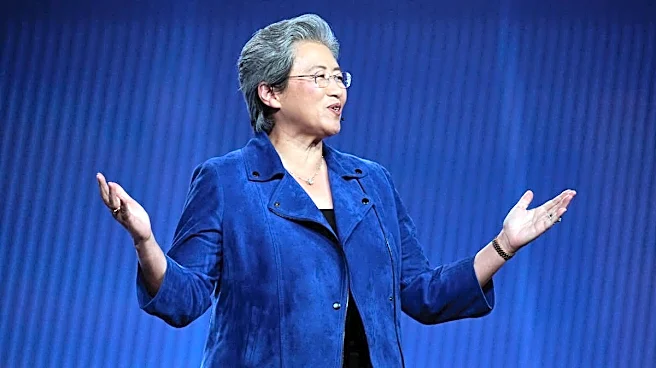
Turing, a Japanese startup specializing in self-driving technology, has integrated Advanced Micro Devices (AMD) GPUs into its AI training infrastructure. This marks a significant shift for Turing, which previously relied on Nvidia hardware. The company,
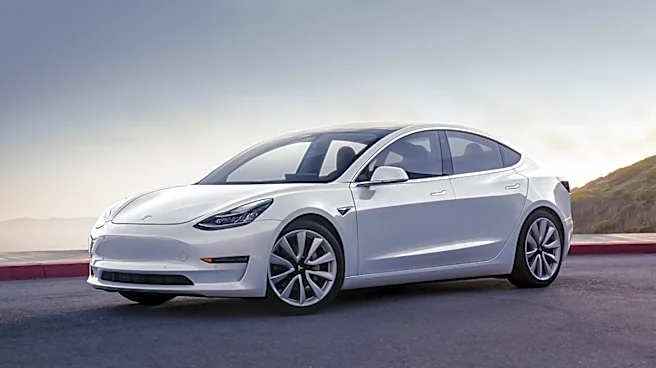
valued at approximately $600 million, aims to diversify its supply chain and reduce costs in the competitive autonomous driving market. Turing has raised $79 million through an equity and debt extension to its Series A funding round. The startup plans to launch its software in consumer markets and driverless robotaxis by 2028, amidst growing competition from companies like Nissan and Uber in Japan.
Why It's Important?
The adoption of AMD GPUs by Turing highlights a potential shift in the semiconductor market, where Nvidia has been a dominant player. This move could signal increased competition and innovation in the AI and autonomous driving sectors. For AMD, gaining a foothold in the self-driving technology market could enhance its position in AI workloads, potentially leading to increased market share and revenue. For Turing, diversifying its hardware suppliers may lead to cost savings and improved operational efficiency, crucial for its growth and competitiveness in the burgeoning autonomous vehicle industry.
What's Next?
Turing's decision to incorporate AMD technology could prompt other companies in the autonomous driving sector to consider similar diversification strategies. As Turing progresses towards its 2028 launch goals, the company may seek further partnerships and investments to bolster its technological capabilities. The broader market will likely monitor AMD's performance in this new application area, which could influence future collaborations and investments in AI and autonomous driving technologies.