






What's Happening?
Property expert Phil Spencer, in collaboration with Wicks, has highlighted the importance of insulating loft hatches as a simple yet effective method to prevent heat loss in homes. This recommendation comes amidst rising energy costs and cooler temperatures,
urging homeowners to address areas where heat commonly escapes. Spencer emphasizes that making a home warmer and more energy-efficient doesn't always require extensive renovation projects. He points out that often-overlooked areas like unused fireplaces, poorly insulated hot water tanks, and especially loft hatches, can be significant sources of heat leakage. Sealing these gaps can help homes retain heat, thereby contributing to lower energy bills. The advice is to start with smaller, practical improvements to enhance home comfort during colder months without incurring substantial expenses.
Why It's Important?
This advice is important for U.S. homeowners facing increasing utility costs, as it offers a practical and accessible solution to improve energy efficiency. By focusing on a seemingly minor detail like a loft hatch, Spencer's recommendations can empower a broad demographic to take immediate action. Reducing heat loss directly translates to lower energy consumption, which benefits individual households financially and contributes to broader energy conservation efforts. The emphasis on small, manageable fixes makes energy efficiency improvements less daunting, potentially encouraging more homeowners to engage in such practices. This approach could also influence the market for home insulation products, leading to increased demand for related materials and services.
What's Next?
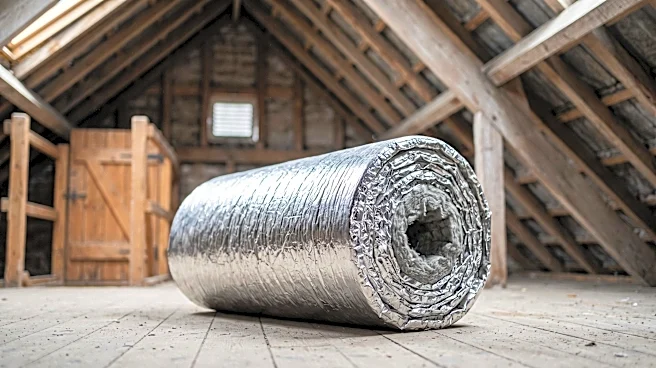
Homeowners are encouraged to inspect their loft hatches and other potential heat-loss areas before winter. Implementing simple draught-proofing strips or adding insulation boards to existing hatches are immediate steps. The market may see an increased demand for DIY insulation products and professional services for energy audits and minor home improvements. Energy companies and government initiatives might also leverage such expert advice to promote broader energy-saving campaigns. The long-term impact could be a gradual shift in homeowner behavior towards more proactive energy management, driven by both cost savings and environmental awareness.
Beyond the Headlines
Beyond the immediate financial benefits, this focus on minor home improvements touches upon the broader theme of sustainable living and resource conservation. It highlights how small, individual actions can collectively contribute to significant energy savings and a reduced carbon footprint. The advice also underscores a cultural shift towards greater awareness of home energy performance, moving beyond large-scale renovations to everyday maintenance. This could foster a more mindful approach to homeownership, where efficiency and sustainability are integrated into routine property care, potentially influencing building codes and consumer expectations for new constructions and existing homes alike.