





What's Happening?
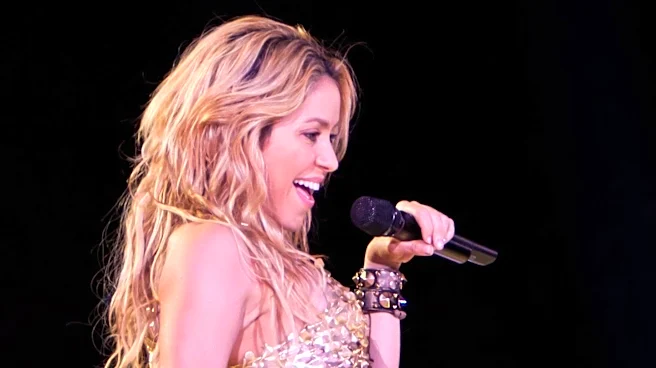
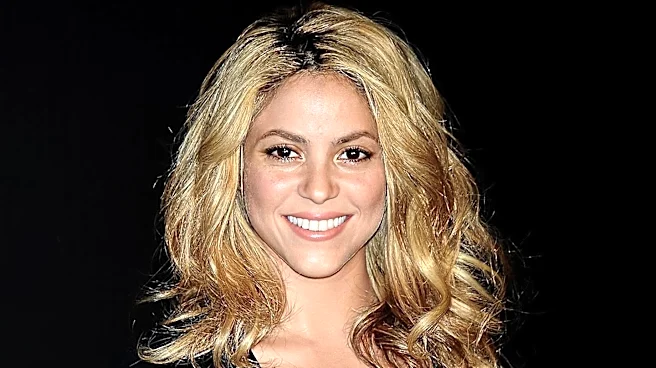
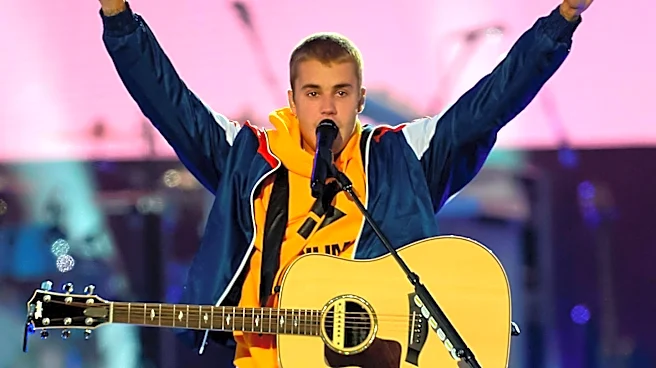
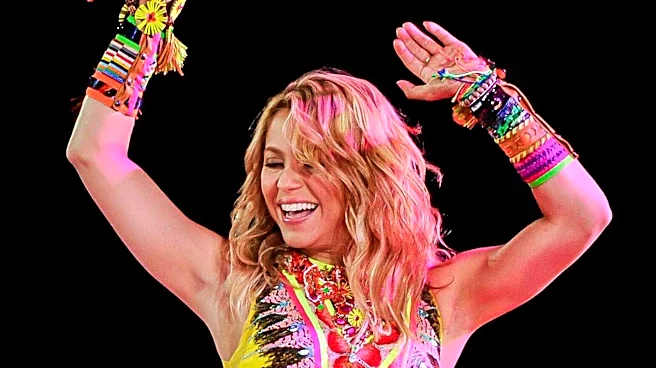
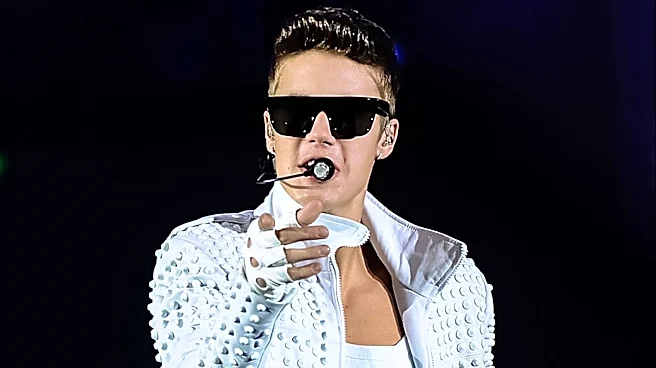
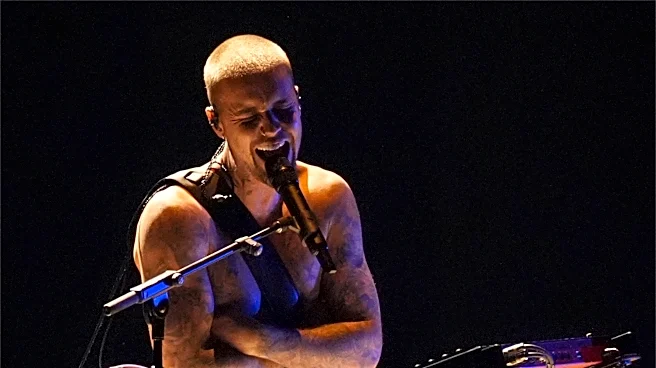
The 2026 FIFA World Cup will host its inaugural halftime show during the final match at New Jersey's MetLife Stadium, temporarily renamed New York-New Jersey Stadium. This event will feature performances by renowned artists Madonna, Shakira, BTS, and
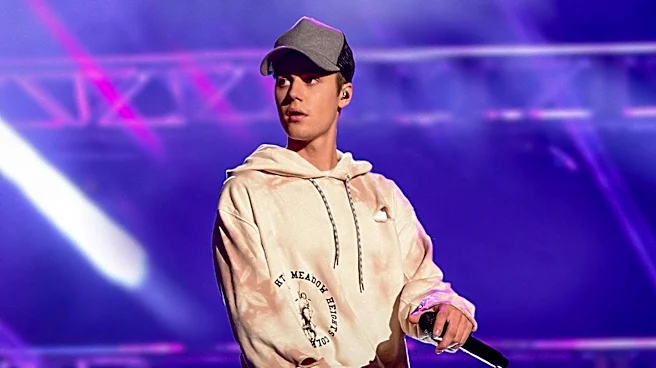
Justin Bieber. The halftime show, dubbed the Final Halftime Show, is designed to support the FIFA Global Citizen Education Fund, aiming to raise over $100 million to enhance access to soccer and education for children worldwide. FIFA President Gianni Infantino emphasized the event's dual purpose of celebrating football and promoting global unity and education. The show is set to run for 11 minutes, with additional performances by the PS22 Chorus, Burna Boy, and Gustavo Dudamel, among others.
Why It's Important?
This halftime show marks a significant cultural moment, blending sports and entertainment on a global stage. It highlights FIFA's commitment to social causes, particularly in education, by leveraging the World Cup's massive audience. The involvement of high-profile artists like Justin Bieber and Shakira not only draws attention to the event but also amplifies the message of global unity and the importance of education. This initiative could set a precedent for future sporting events to incorporate social responsibility into their programming, potentially influencing other organizations to follow suit.
What's Next?
As the event approaches, anticipation builds around the performances and the potential impact of the FIFA Global Citizen Education Fund. Stakeholders, including educational organizations and global leaders, may respond positively to the initiative, potentially leading to increased collaborations and funding opportunities. The success of this halftime show could encourage FIFA to continue integrating social causes into its events, fostering a culture of philanthropy within the sports industry.
Beyond the Headlines
The integration of a halftime show into the World Cup final represents a shift in how sports events can serve as platforms for broader societal issues. This development may influence cultural perceptions of sports as not just entertainment but as vehicles for social change. The collaboration between artists from diverse backgrounds also underscores the power of music and sports to transcend cultural and national boundaries, promoting a message of global solidarity.