






What's Happening?
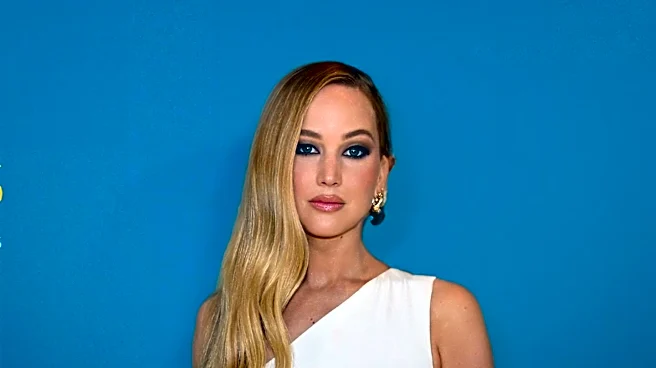
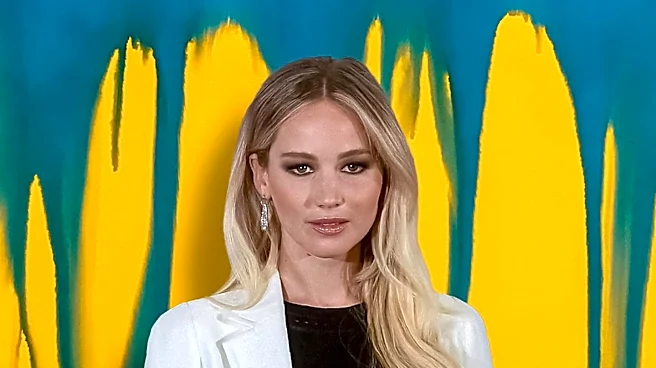
Social media users are actively discussing and speculating about Ivanka Trump's physical appearance, comparing viral photos from her modeling career in the late 1990s with more recent images. This comparison has led to widespread commentary across platforms
like Reddit and Instagram, with many users suggesting that she may have undergone various cosmetic procedures. Specific procedures mentioned in online discussions include rhinoplasty, an upper blepharoplasty, and breast implants. While some commenters offered positive assessments of her perceived changes, others were more critical, noting what they considered obvious alterations. The discussions highlight a significant public interest in the transformation of her appearance over the years, drawing attention to the differences observed between her younger modeling days and her current look.
Why It's Important?
The public speculation surrounding Ivanka Trump's appearance underscores the intense scrutiny faced by public figures, particularly those with connections to prominent political families. This phenomenon reflects broader societal trends where social media platforms amplify discussions about celebrity aesthetics, often leading to widespread commentary on perceived cosmetic enhancements. For individuals in the public eye, such discussions can impact their public image and personal privacy. The focus on her appearance, rather than her professional or political endeavors, highlights how personal aesthetics can become a dominant narrative, potentially overshadowing other aspects of a public figure's life. This trend also illustrates the power of viral content to shape public perception and generate widespread, often unverified, speculation.
Beyond the Headlines
The viral speculation about Ivanka Trump's appearance touches upon several deeper societal implications. It highlights the pervasive nature of beauty standards and the pressure on public figures, especially women, to conform to certain aesthetic ideals. The readiness of social media users to diagnose and comment on perceived cosmetic surgeries also reflects a growing normalization of such procedures, alongside a culture of instant judgment. This trend raises questions about privacy in the digital age, where personal transformations become fodder for public debate. Furthermore, it subtly reinforces the idea that a woman's value or public interest can be tied to her physical appearance, potentially diverting attention from her professional achievements or political influence. The discussions also reveal the double-edged sword of social media, which can connect people but also facilitate widespread, often intrusive, commentary on personal matters.