






What's Happening?
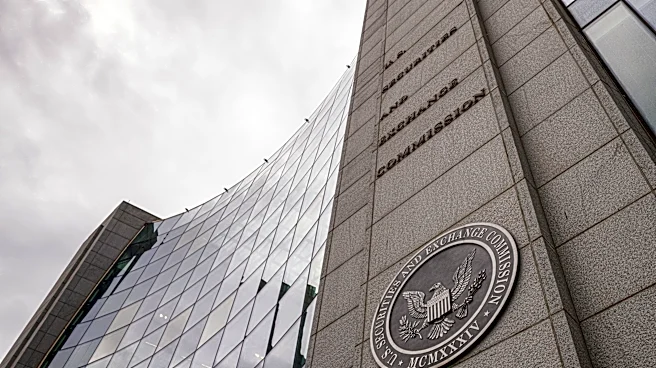
American Bitcoin, a Bitcoin mining company associated with Eric Trump, has secured a $150 million revolving credit agreement with FalconX Charlie. The agreement was finalized on November 18, 2026, and relevant documents were filed with the U.S. Securities
and Exchange Commission on November 23, 2026. This credit line is collateralized by Bitcoin held at Anchorage Digital Bank and carries an annual interest rate of 5.95%, maturing on November 18, 2028. As of the filing date, American Bitcoin had not yet drawn any funds from this credit line. The company's stock experienced a significant surge on November 23, rising by 16.3% to close at $4.07, after reaching an intraday high of $4.38. The credit agreement includes specific collateral requirements, mandating that the ratio of collateral value to the outstanding principal must remain at least 143%. A drop below 130% would trigger a margin call, requiring additional collateral or partial repayment. This development comes amidst growing speculation regarding the potential approval of a spot Bitcoin ETF and increasing investor interest in Bitcoin-related financial products.
Why It's Important?
This $150 million Bitcoin-backed credit line for American Bitcoin highlights a growing trend in the financial markets where traditional lending structures are adapting to incorporate digital assets. The use of Bitcoin as collateral, facilitated by institutions like Anchorage Digital Bank, signifies increasing institutional acceptance and integration of cryptocurrencies into mainstream finance. For American Bitcoin, this credit line provides substantial capital for general corporate operations, potentially enabling expansion or increased mining activities. The stock's 16.3% rise following the announcement indicates strong investor confidence in the company's financial strategy and its ability to leverage its Bitcoin holdings. This move also underscores the evolving regulatory landscape, with the company filing documents with the U.S. Securities and Exchange Commission, suggesting a move towards greater transparency and compliance in the crypto mining sector. The broader context of speculation around a spot Bitcoin ETF further emphasizes the market's anticipation of more widespread adoption and regulatory clarity for Bitcoin, which could significantly impact the valuation and stability of Bitcoin-backed financial products.
What's Next?
American Bitcoin is expected to utilize the secured credit line for its general corporate operations, which could include investments in mining infrastructure or other strategic initiatives. The company will need to diligently manage its Bitcoin collateral to maintain the required 143% ratio, with a close watch on Bitcoin's price fluctuations to avoid margin calls if the ratio falls below 130%. The market will likely monitor the company's stock performance and its operational efficiency, especially given the volatility inherent in cryptocurrency markets. Furthermore, the ongoing discussions and potential approval of a spot Bitcoin ETF by U.S. regulators could significantly influence Bitcoin's price and, consequently, the value of American Bitcoin's collateral. This broader market development could either enhance the stability of Bitcoin-backed loans or introduce additional risks, depending on the market's reaction to regulatory decisions. The success of this credit line could also pave the way for other companies in the crypto space to explore similar financing options, further integrating digital assets into traditional financial frameworks.
Beyond the Headlines
The securing of a significant Bitcoin-backed credit line by a company associated with a prominent political family member, Eric Trump, raises interesting questions about the intersection of cryptocurrency, traditional finance, and political influence. While the transaction is purely business-oriented, the affiliation could draw additional scrutiny from regulators and the public, potentially influencing perceptions of the crypto industry's legitimacy and its ties to established power structures. This development also highlights the increasing sophistication of financial products available in the crypto market, moving beyond simple spot trading to more complex lending and collateralization arrangements. The reliance on Bitcoin as collateral, a volatile asset, introduces inherent risks that could have broader implications for financial stability if such practices become widespread without robust risk management frameworks. The transparency provided by SEC filings, however, offers a degree of oversight that is crucial for building trust in this nascent financial sector. This event could serve as a case study for how digital assets are integrated into the U.S. financial system, balancing innovation with necessary regulatory safeguards.