






What's Happening?
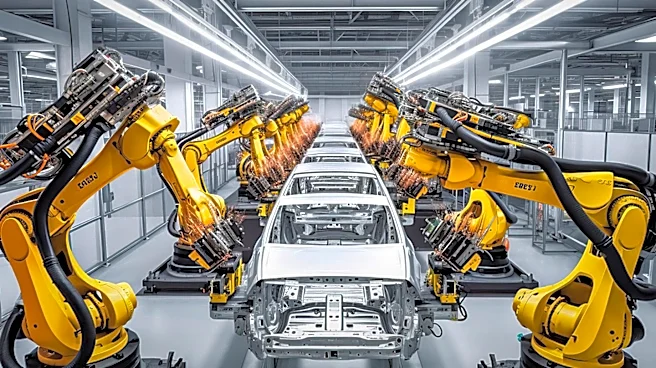
The Ayurvedic and herbal industry is grappling with the challenge of enhancing manufacturing efficiency while preserving the traditional processes that define its products. Ratnakar Thombare, founder of AYURNUTRA SOLUTIONS LLP, highlights that Ayurveda
is built on traditional knowledge and generations of experience. The core issue for manufacturers is how to scale production without altering the fundamental essence of traditional Ayurvedic formulations. This involves identifying bottlenecks and resource losses in processes like Kadha preparation, Asava-Arishta manufacturing, and extraction, then applying modern engineering to optimize these without abandoning time-honored methods. The goal is to achieve higher yield, better consistency, and reduced consumption of resources like water and fuel, ultimately improving production capacity and reducing operating costs.
Why It's Important?
This pursuit of efficiency in Ayurveda manufacturing holds significant importance for the U.S. market, where demand for natural and traditional health products is growing. By making Ayurvedic products more cost-effective and consistently produced, manufacturers can increase their accessibility and affordability for American consumers. This could lead to a broader acceptance and integration of Ayurvedic remedies into mainstream wellness practices. Furthermore, maintaining the integrity of traditional processes ensures that the products retain their intended therapeutic properties, building consumer trust and differentiating them from conventional pharmaceuticals. The balance between tradition and modernity in manufacturing could set a precedent for other traditional medicine systems seeking to expand their global footprint.
What's Next?
The future of Ayurveda manufacturing will likely see continued innovation in process engineering, focusing on smart automation and resource optimization that respects traditional methods. Companies like AYURNUTRA will play a crucial role in consulting and implementing these hybrid solutions. This could lead to the development of new machinery and technologies specifically designed for Ayurvedic production, ensuring both efficiency and authenticity. There may also be increased collaboration between traditional Ayurvedic practitioners and modern engineers to refine manufacturing standards. Ultimately, successful implementation of these strategies could lead to a more robust and competitive Ayurvedic industry, capable of meeting growing global demand while upholding its foundational principles.
Beyond the Headlines
The challenge of modernizing Ayurveda manufacturing without losing its traditional essence touches upon broader themes of cultural preservation and the globalization of traditional knowledge. It highlights the tension between industrial efficiency and artisanal heritage. Ethically, it raises questions about intellectual property rights for traditional formulations and the potential for commercialization to dilute cultural significance. Legally, it could influence regulatory frameworks for natural health products, requiring clear guidelines that acknowledge both scientific standards and traditional practices. Culturally, the successful integration of modern engineering with ancient wisdom could serve as a model for other indigenous knowledge systems seeking to adapt to contemporary markets while maintaining their core identity.