





What's Happening?
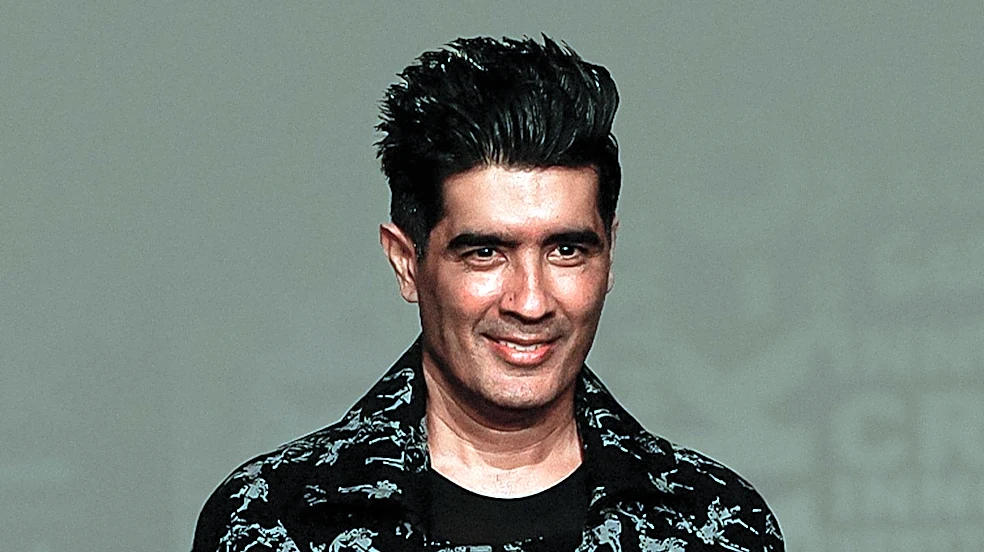
Manish Malhotra has made his return to the Lakme Fashion Week x FDCI runway after a three-and-a-half-year hiatus, showcasing his 'Luxury Prêt 2026' collection. This collection, presented in partnership with Maruti Suzuki NEXA, marks a significant shift
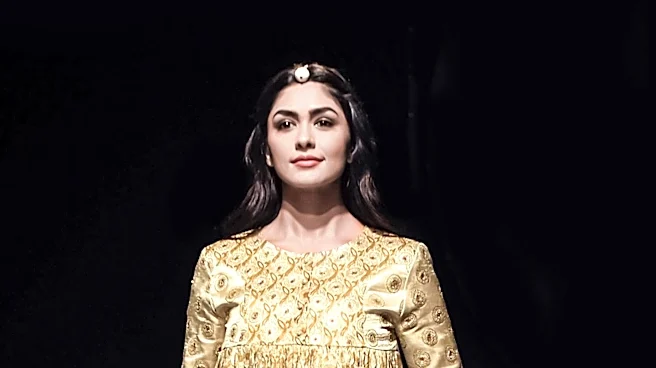
in Malhotra's design philosophy. The focus has moved away from stiff, restrictive festive silhouettes towards lighter tailoring and fluid drapes. A key highlight of this return is the official runway launch of Manish Malhotra Menswear Luxe Prêt. Showstopper Sara Ali Khan presented a metallic-accented ensemble emphasizing drape and movement, complemented by pieces from Manish Malhotra Fine Jewellery. For menswear, Ayushmann Khurrana fronted the debut of the luxury prêt line, which features relaxed tailoring, versatile separates, and cleaner lines, moving away from structured ceremonial coats. The collection's visual appeal largely stems from metallic surfaces, including burnished silvers, luminous golds, and reflective finishes, rather than dense embroidery. Malhotra stated that the collection is designed to reflect contemporary celebration styles, blending traditional craftsmanship with fluid silhouettes and individual expression.
Why It's Important?
Manish Malhotra's return to Lakme Fashion Week and the introduction of his 'Luxury Prêt 2026' collection signifies a notable evolution in high-end Indian fashion. This shift towards lighter tailoring, fluid drapes, and relaxed silhouettes addresses a growing demand for luxury wear that combines visual impact with everyday comfort and ease. The formal launch of the Manish Malhotra Menswear Luxe Prêt line is particularly significant, as it caters to the evolving preferences of modern grooms and men seeking sophisticated yet comfortable attire. By moving away from heavily structured and embroidered garments, Malhotra is responding to a broader trend in the fashion industry where practicality and individual expression are increasingly valued alongside traditional aesthetics. This collection could influence future trends in Indian occasion wear, encouraging other designers to explore similar approaches that balance heritage with contemporary lifestyle needs. The emphasis on metallic surfaces also suggests a move towards more understated yet impactful embellishments, potentially setting a new standard for luxury detailing.
What's Next?
Following the debut of the 'Luxury Prêt 2026' collection, the fashion industry will likely observe its reception among consumers and critics. The success of the new menswear line, particularly its relaxed tailoring and versatile separates, could pave the way for similar offerings from other designers, further solidifying the trend towards comfortable luxury. Retailers and fashion enthusiasts will be keen to see how these designs translate into commercial success and influence upcoming seasonal collections. Malhotra's stated intention to combine traditional craftsmanship with fluid silhouettes and individual expression suggests a continued focus on innovative design that respects heritage while embracing modernity. This approach could lead to further collaborations and expansions, potentially influencing how Indian fashion is perceived globally. The collection's emphasis on metallic finishes might also inspire new trends in material usage and embellishment within the luxury segment.
Beyond the Headlines
Manish Malhotra's 'Luxury Prêt 2026' collection reflects a deeper cultural shift in how luxury and celebration are perceived in India. The move from rigid, heavily embroidered attire to fluid, lightweight designs indicates a growing preference for comfort and personal style, even in formal settings. This evolution challenges traditional notions of opulence, suggesting that modern luxury is less about overt display and more about sophisticated ease and individual expression. The collection's focus on versatility and cleaner lines for menswear also highlights changing gender roles and expectations in fashion, where men are increasingly seeking options that are both stylish and practical. This shift could have long-term implications for the craftsmanship industry, encouraging artisans to adapt traditional techniques to contemporary designs. Furthermore, the collection's emphasis on metallic surfaces over dense embroidery might signal a broader aesthetic movement towards minimalist yet impactful detailing, influencing design philosophies across various luxury sectors.