






What's Happening?
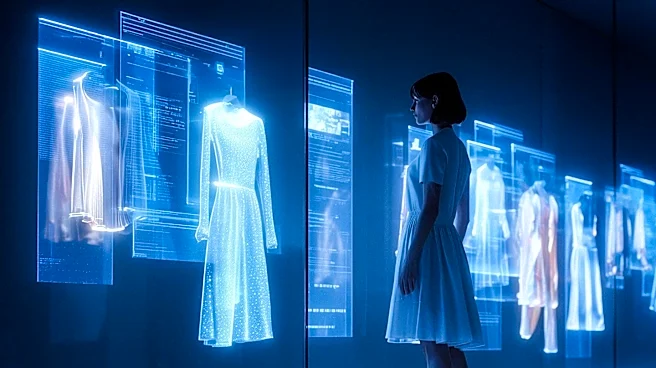
The market for digital wardrobe applications is expanding, providing users with tools to manage their clothing, receive outfit suggestions, and even virtually try on garments. Wdrobe, for instance, allows users to upload their clothes, get outfit recommendations
based on weather and personal attributes, and visualize these outfits on their own photos. Another app, Alta Daily, focuses on daily outfit suggestions and trip planning, enabling users to add clothes via email receipts. TryDrobe offers a virtual try-on feature, letting users see how specific clothes look on their photo before making a purchase. These apps aim to streamline wardrobe management and enhance personal styling through technology. Google Photos Wardrobe, while offering similar functionality, is currently limited to the US, Brazil, and India, and primarily relies on scanning existing photos for wardrobe items, lacking manual input options and advanced styling suggestions found in other applications.
Why It's Important?
The rise of digital wardrobe apps signifies a shift in consumer behavior towards more organized and sustainable fashion practices. By providing tools for inventorying existing clothing and suggesting new combinations, these applications can help users maximize their current wardrobes, potentially reducing impulse purchases and promoting mindful consumption. This trend has implications for the retail industry, as consumers become more discerning about new acquisitions, often pre-visualizing items with their current collection. For individuals, these apps offer convenience and personalized styling advice, saving time and effort in daily outfit selection. The integration of AI in these platforms also highlights the growing role of artificial intelligence in personal lifestyle management, moving beyond simple data organization to offer predictive and personalized services.
What's Next?
The digital wardrobe app market is expected to continue innovating, with further advancements in AI-powered styling, virtual try-on technologies, and integration with e-commerce platforms. Future developments may include more sophisticated algorithms for personalized recommendations, enhanced augmented reality features for realistic try-ons, and partnerships with fashion brands for seamless shopping experiences. As these apps gain wider adoption, they could influence fashion trends and consumer purchasing habits, potentially leading to a more circular economy in fashion. The expansion of Google Photos Wardrobe to more regions and the addition of manual input features could also intensify competition in this space, driving further innovation and feature development across the industry.
Beyond the Headlines
Beyond the immediate convenience, digital wardrobe apps touch upon deeper societal and environmental implications. By encouraging users to make the most of their existing clothes, these platforms can contribute to reducing textile waste and promoting sustainable fashion. The emphasis on personal styling and outfit optimization can also foster a more conscious approach to personal image, moving away from fast fashion cycles. Ethically, the use of personal photos for virtual try-ons raises questions about data privacy and security, requiring robust safeguards from app developers. Culturally, these apps could redefine how individuals interact with their clothing, transforming it from a mere collection of items into a curated and dynamic personal expression, managed and enhanced by technology.