







What's Happening?
U.S. manufacturers are increasingly facing workforce shortages, leading some to consider the EB-3 visa program as part of their long-term workforce planning. The EB-3 visa is an employer-sponsored immigration pathway allowing U.S. companies to sponsor foreign
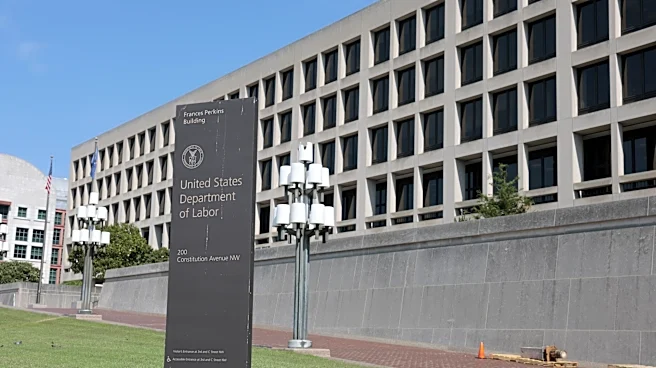
workers for permanent, full-time positions when qualified domestic workers are unavailable. However, the process is lengthy, with the initial PERM labor certification stage, managed by the Department of Labor (DOL), currently taking an average of 315 days for analyst review. This 10-month delay is just one part of a multi-year process. To address these bottlenecks, Congress is considering the bipartisan PERM Backlog Reduction Act of 2026. This proposed legislation would introduce an optional premium processing system for PERM labor certifications, allowing employers to pay an additional $1,200 fee for a 30-calendar-day processing target. The fees would fund DOL program administration, including staffing, training, and fraud detection, while aiming to prevent expedited processing from negatively impacting regular applications.
Why It's Important?
The efficiency of the EB-3 visa program directly impacts the ability of U.S. manufacturers to fill critical skilled and unskilled labor gaps, which are currently significant, with 584,000 job openings reported in manufacturing in September 2026. Delays in the visa process can hinder facility expansion plans and long-term production capabilities, making workforce availability a crucial factor in site selection. The proposed premium processing system could offer more predictable timelines for employers, allowing them to better integrate immigration strategies with facility planning. This is particularly important for specialized positions that require extensive lead times for training or recruitment. If enacted, the legislation could alleviate one of the most significant early-stage bottlenecks in the employment-based immigration process, potentially boosting manufacturing capacity and competitiveness in the U.S. However, it would not eliminate all delays, as further waiting periods for immigrant petitions and visa availability would still exist.
What's Next?
The PERM Backlog Reduction Act of 2026 is currently pending in Congress and has not yet become law. Its passage would introduce a premium processing option for PERM labor certifications, aiming to reduce the current 10-month average processing time to 30 days for those who opt for it. Even if the bill is enacted, employers will still face additional waiting periods for the immigrant petition itself and potential visa availability issues depending on the worker's category and country of origin. The effectiveness of the premium processing system will depend on its implementation by the DOL and its ability to manage the increased workload without compromising the standard processing track. Stakeholders, particularly U.S. manufacturers and immigration advocacy groups, will closely monitor the legislative progress and subsequent implementation to assess its impact on workforce planning and immigration timelines.
Beyond the Headlines
The ongoing challenges with the EB-3 visa program highlight a broader tension between protecting domestic labor and addressing critical workforce shortages in key U.S. industries. The PERM process, designed to ensure that foreign workers do not displace U.S. workers or adversely affect their wages, inherently involves market testing that can be time-consuming. The debate over premium processing reflects a desire to balance these protections with the economic need for timely access to labor. This situation also underscores the increasing reliance of U.S. industries on immigration as a long-term workforce strategy, moving beyond immediate hiring needs to strategic planning. The outcome of this legislative effort could set a precedent for how the U.S. government balances regulatory oversight with industry demands for efficiency in immigration processes, potentially influencing future reforms in other visa categories.