





What's Happening?
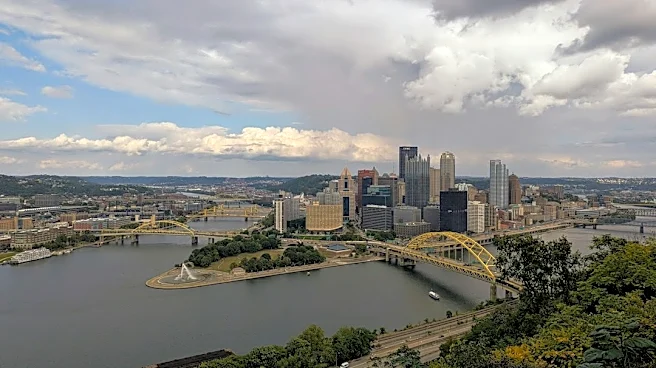
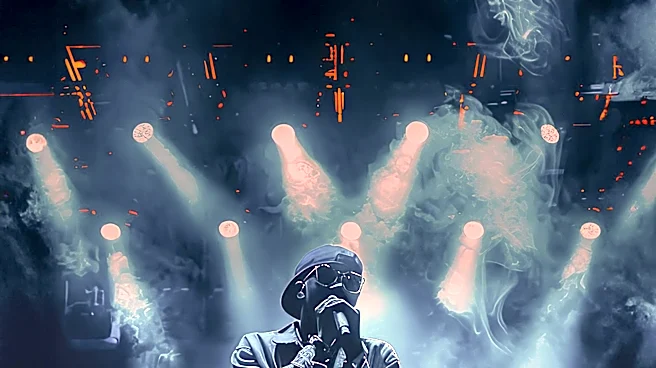
Wiz Khalifa recently headlined the first rap show and second concert overall at Pittsburgh's new music venue, The Wylie, located in the city's Lower Hill District. The event, which also featured DJ Bonics and BossMan Dlow, marked a significant moment
for the venue, which is situated in the former Civic Arena redevelopment area. The Wylie aims to honor the neighborhood's rich musical legacy, particularly its history as a center of Black cultural life and music, by incorporating details inspired by the historic Crawford Grill and photographs from the Charles 'Teenie' Harris Archive. Khalifa's performance included hits like 'Black and Yellow,' 'See You Again,' and 'Young, Wild & Free,' resonating deeply with the hometown crowd. The venue itself boasts a spacious layout, impressive sound quality, and unique features such as a suspended mirrored piano and a rooftop bar, designed to enhance the concert-goer's experience.
Why It's Important?
The opening of The Wylie and its inaugural rap show with Wiz Khalifa is important for Pittsburgh as it signifies a new chapter in the city's cultural landscape, particularly in an area with historical significance. The venue's design and location acknowledge the displacement of residents during the construction of the Civic Arena, aiming to reconnect with and celebrate the neighborhood's past musical heritage. This initiative provides a modern space for live music while paying homage to the city's history, offering both entertainment and a sense of continuity. For local artists and the music industry, it represents a new platform for performances and cultural events, potentially boosting the local economy and fostering community engagement through music. The successful launch with a hometown hero like Wiz Khalifa further solidifies its place as a significant cultural landmark.
What's Next?
Following its successful opening weekend, The Wylie is expected to continue hosting a diverse range of musical acts, further establishing itself as a premier concert venue in Pittsburgh. The venue's commitment to honoring local history suggests future programming might include events or exhibits that delve deeper into the Lower Hill District's cultural past. The positive reception to Wiz Khalifa's performance indicates strong local support, which could attract more high-profile artists and diverse audiences. The Wylie's unique features and spacious design are likely to draw repeat visitors, contributing to its reputation and potentially influencing other urban development projects to integrate historical and cultural elements into modern spaces. The venue's ongoing operations will be crucial in determining its long-term impact on Pittsburgh's entertainment scene and its role in community revitalization.
Beyond the Headlines
The Wylie's establishment goes beyond simply being a new music venue; it represents a broader effort to address and reconcile with urban development's historical impacts. By acknowledging the displacement caused by the Civic Arena's construction and integrating elements that celebrate the neighborhood's Black cultural heritage, The Wylie attempts to foster a sense of belonging and historical continuity. This approach highlights a growing trend in urban planning where new developments seek to honor and incorporate the past rather than erase it. The venue's success could serve as a model for other cities grappling with similar histories, demonstrating how cultural institutions can play a role in healing and community building. It also underscores the power of music as a unifying force, capable of connecting generations and preserving cultural memory within a modern context.