






What's Happening?
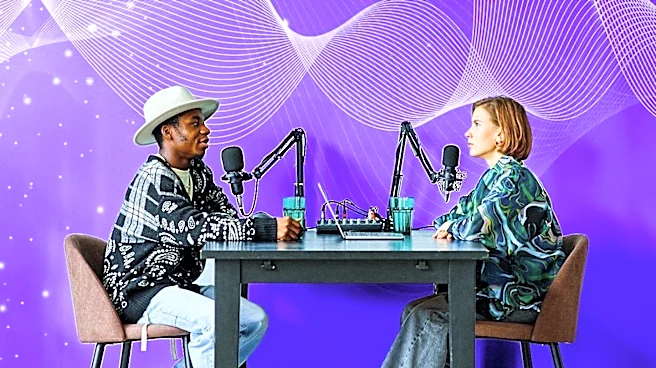
A comprehensive guide outlines how individuals can start a podcast with minimal to no financial investment, emphasizing strategic planning over expensive equipment. The guide details a six-step process: deciding the target audience and format, setting
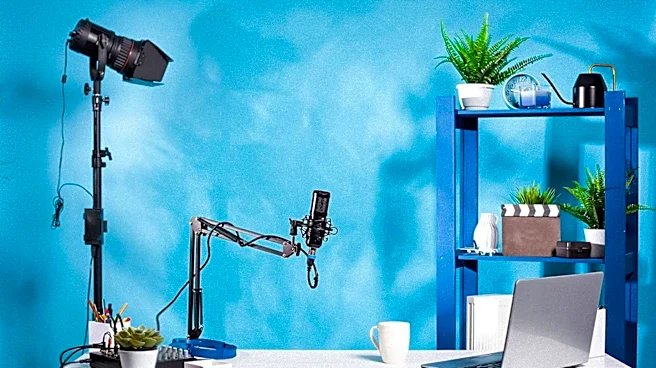
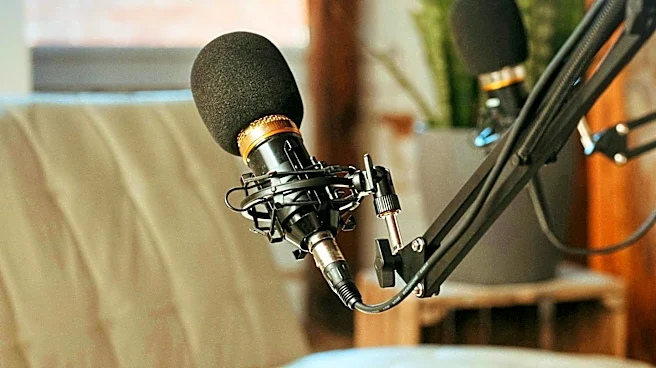
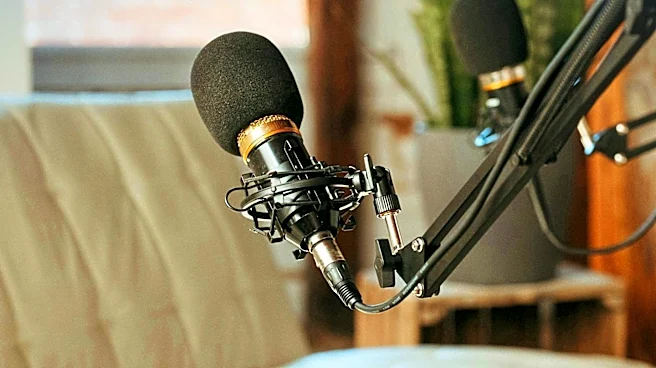
up basic recording equipment, recording a test episode, editing, choosing a hosting platform, and publishing to major platforms like Spotify, Apple Podcasts, and YouTube. It highlights that a decent USB microphone (costing $50-$150), headphones, and a quiet room are the primary necessities. Free tools for recording and editing, such as Riverside, Zencastr, Zoom, GarageBand, and Audacity, are recommended. The article also provides a podcast launch checklist, advising creators to have their audience and format decided, name, description, and cover art ready, a host chosen, and to be listed on Spotify and Apple before launch. It stresses the importance of recording a test episode to refine pacing and audio quality before public release, and suggests having two to three episodes ready before actively promoting the show.
Why It's Important?
This information is crucial for aspiring podcasters in the U.S. as it democratizes access to content creation, potentially fostering a more diverse and independent media landscape. By demonstrating that high-cost equipment is not a prerequisite for starting a podcast, it lowers the barrier to entry for individuals and small businesses looking to share their voices, build communities, or market their services. This can lead to an increase in niche content, catering to specific interests that might be underserved by mainstream media. For the U.S. economy, this could stimulate growth in related sectors such as audio editing software, podcast hosting services, and digital marketing, as more creators enter the space and eventually seek professional tools or services. It also empowers individuals to develop new skills in audio production, content strategy, and digital distribution, which are valuable in today's digital-first job market.
What's Next?
Individuals interested in podcasting can immediately begin by defining their target audience and content format. The next practical steps involve acquiring a basic USB microphone and headphones, utilizing free recording and editing software, and finding a suitable free hosting platform. Aspiring podcasters are encouraged to record several test episodes to refine their technique and content before a public launch. They should also prepare their podcast's branding, including name, description, and cover art, and ensure their chosen hosting platform can distribute to major directories like Spotify and Apple Podcasts. The guide suggests that creators should aim to have two to three episodes published before initiating broader promotional efforts, allowing new listeners sufficient content to evaluate the show. Future considerations might include upgrading equipment or services as the podcast grows, but the initial focus remains on consistent content creation and audience engagement.
Beyond the Headlines
The emphasis on free and low-cost podcasting tools reflects a broader trend in digital content creation where accessibility is increasingly prioritized. This shift has significant cultural implications, as it allows for a wider array of perspectives and narratives to emerge, potentially challenging established media gatekeepers. Ethically, it raises questions about content moderation and the spread of misinformation, as the ease of publishing means less oversight. However, it also fosters greater freedom of expression and the ability for marginalized voices to find an audience. From a technological standpoint, the continuous development of user-friendly and affordable software for audio production indicates a future where sophisticated creative tools are no longer exclusive to professionals. This could lead to a more participatory media environment, where the line between content consumer and creator becomes increasingly blurred, fundamentally altering how information and entertainment are produced and consumed in the U.S.