







What's Happening?
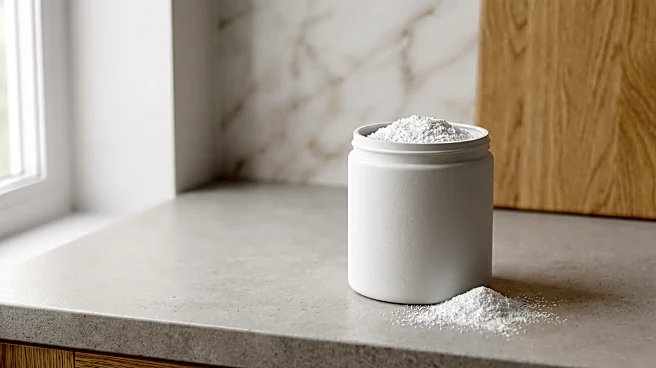
Recent scientific investigations suggest that creatine monohydrate remains the most effective and cost-efficient form of creatine supplementation compared to creatine hydrochloride (HCl). Despite claims from some creatine HCl brands that smaller doses
can yield similar results to creatine monohydrate, head-to-head studies have not supported this. Creatine monohydrate has decades of research demonstrating its efficacy in increasing strength, with a review of 63 studies involving nearly 1,500 participants showing significant gains in upper and lower body strength. In contrast, two recent trials directly comparing creatine HCl and monohydrate found no advantage for HCl. One study with 40 newer lifters showed both forms improved bench and leg press more than a placebo, but HCl offered no edge. A second trial with 31 athletes also found no advantage for HCl. Researchers emphasize that the body absorbs nearly all creatine from a serving of monohydrate, making claims of superior absorption for HCl unsubstantiated by current evidence.
Why It's Important?
This information is crucial for consumers in the U.S. supplement market, as it directly addresses the efficacy and value proposition of different creatine products. With numerous brands marketing various forms of creatine, consumers often face confusion regarding which product offers the best results for their investment. The findings suggest that paying more for creatine HCl may not provide any additional performance benefits over the more extensively researched and typically less expensive creatine monohydrate. This could lead to a shift in consumer purchasing habits, favoring well-established creatine monohydrate products, especially those that are third-party certified for purity and quality. For the supplement industry, this research underscores the importance of evidence-based claims and may pressure brands selling creatine HCl to either provide more robust scientific backing or adjust their marketing strategies.
What's Next?
Consumers are advised to prioritize creatine monohydrate, specifically third-party-certified powders, and take 3 to 5 grams daily for performance benefits, or up to 10 grams per day for cognitive benefits. The emphasis on third-party certification highlights a growing demand for transparency and quality assurance in the supplement industry, especially given that federal rules allow supplement makers to set their own testing specifications and do not require screening for contaminants like PFAS or microplastics. Brands like Momentous are setting higher standards by manufacturing in pharmaceutical facilities and undergoing multiple independent checks. This trend towards stricter quality control and reliance on proven formulations is likely to continue, influencing both consumer choices and industry practices in the coming years.
Beyond the Headlines
The debate between creatine monohydrate and creatine HCl reflects a broader trend in the supplement industry where novel formulations often emerge with claims of superior efficacy or absorption, sometimes without sufficient scientific validation. This situation highlights the critical role of independent research in guiding consumer decisions and maintaining integrity within the market. The focus on purity and third-party certification also points to increasing consumer awareness and demand for safe, high-quality products, moving beyond just efficacy claims. This push for transparency and rigorous testing could lead to a more regulated or self-regulated industry environment, where brands are held to higher standards for product quality and scientific substantiation of their marketing claims, ultimately benefiting public health and consumer trust.