





What's Happening?
A federal jury in Portland has ruled that Nike violated the Equal Pay Act and Oregon law by paying former engineer Heather Hender less than her male colleagues and promoting her more slowly due to her gender. The jury awarded Hender $19,739.52 in back
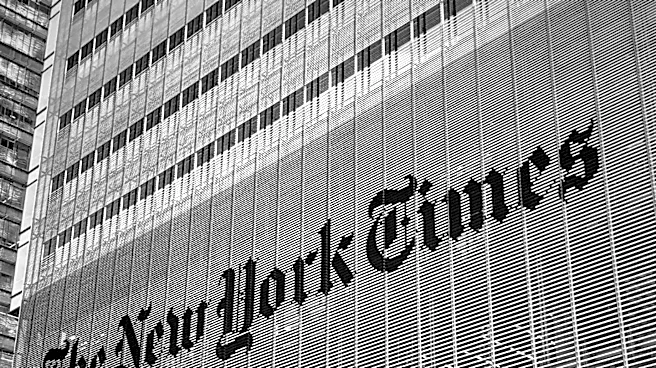
pay and at least $7.5 million in punitive damages, surpassing the $2 million her attorneys had requested. The case originated in 2018 when Hender and three other employees sued Nike, alleging systemic sex discrimination in pay and promotions. The lawsuit followed a New York Times investigation that highlighted a male-dominated culture at Nike's Beaverton headquarters. Labor economist David Neumark testified that Nike's employment data showed an average gender pay gap of over $11,000 per employee per year. Nike disputed this analysis, arguing that Hender's pay and promotion decisions were based on performance rather than gender.
Why It's Important?
The verdict against Nike underscores the ongoing challenges of gender pay equity in the workplace, particularly in large corporations. This case highlights the potential financial and reputational risks companies face when accused of gender discrimination. The decision may encourage other employees to come forward with similar claims, potentially leading to more lawsuits and increased scrutiny of corporate pay practices. For Nike, the ruling could impact its public image and necessitate changes in its internal policies to prevent future discrimination claims. The case also serves as a reminder to HR departments across industries to ensure compliance with equal pay laws and to address any disparities proactively.
What's Next?
Nike is expected to appeal the decision to the Ninth Circuit Court of Appeals. The underlying 2018 lawsuit, which sought class-action status, is anticipated to continue alongside any appeal, as only Hender's individual claims were tried in this phase. Nike has expressed disappointment with the verdict and is evaluating its next steps. The company has stated its commitment to fair treatment and competitive compensation for employees, indicating that it may review and adjust its policies to address the issues raised in the lawsuit.