


What's Happening?
Gold futures in the U.S. have risen by 0.9% to $4,345.80, reaching a seven-week high. This increase is attributed to optimism surrounding a potential diplomatic agreement to reopen the Strait of Hormuz, which has been closed due to a conflict between
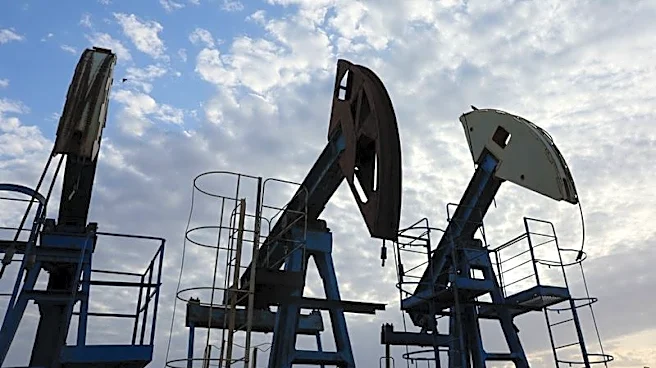
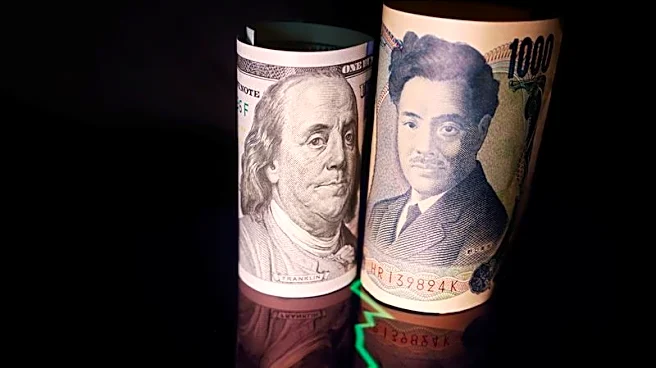
Iran and the United States. The proposed deal, involving Iran and Oman, aims to end the five-month-long conflict and would allow Tehran control over ships entering the Gulf. This development has led to a decrease in oil prices, a softer dollar, and lower Treasury yields, all of which have contributed to the rise in gold prices. Market analyst Tony Sycamore noted that the potential diplomatic breakthrough could reduce the need for central banks to raise interest rates, providing a favorable environment for gold.
Why It's Important?
The rise in gold prices is significant as it reflects broader economic and geopolitical trends. The potential reopening of the Strait of Hormuz could stabilize oil prices, which in turn might ease inflationary pressures. This scenario reduces the likelihood of further interest rate hikes by central banks, which is beneficial for gold as it does not yield interest. The easing of rate hike expectations is evident as market predictions for a September U.S. rate increase have dropped from 67% to 55%. Additionally, a weaker U.S. dollar makes gold more attractive to investors holding other currencies. The situation underscores the interconnectedness of geopolitical events and financial markets, highlighting the impact of diplomatic developments on economic indicators.
What's Next?
Investors are closely monitoring the situation for further developments regarding the Strait of Hormuz. The outcome of the proposed deal between Iran and Oman could have significant implications for global oil supply and prices. Additionally, the upcoming U.S. nonfarm payrolls report is anticipated, as it could influence market expectations regarding interest rates. A weaker payrolls report could further support gold prices, while a strong report might apply short-term pressure. The financial markets will continue to react to these developments, with potential adjustments in investment strategies based on the evolving geopolitical and economic landscape.