






What's Happening?
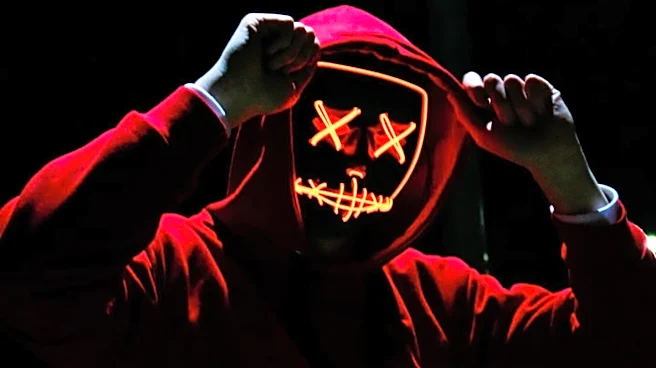
Performers at Terror on the Coast, a haunted attraction in Gulfport, Mississippi, describe the venue as a place of belonging and family. TJ O’Brien, head of the effects department and an icon scare actor known as JD, shared his personal journey and connection
to the attraction. O’Brien, who became sober in 2020, uses his creative work in makeup and character development as part of his recovery process. He explained that his interest in horror began in childhood after watching 'Friday the 13th' with his grandmother. O'Brien's character, JD, has evolved over time, initially featuring a solid foam prosthetic face. He incorporates personal items from those who supported his sobriety into JD's wig, symbolizing their continued presence. Rory Meeks, who works alongside O’Brien, creates her own costumes and assists with JD's, highlighting the collaborative and supportive environment among the performers and volunteers. The attraction welcomes individuals who may feel they don't belong elsewhere, offering them a space for acceptance and creative expression.
Why It's Important?
This story highlights the significant role that community-based creative outlets, such as haunted attractions, can play in personal development and recovery. For individuals like TJ O’Brien, engaging in artistic expression through scare acting and makeup provides a constructive way to channel energy and maintain sobriety. The sense of belonging and family fostered at Terror on the Coast demonstrates how shared passions can create supportive environments, particularly for those seeking acceptance or navigating personal challenges. This model of community engagement offers a valuable alternative to traditional support systems, emphasizing the therapeutic benefits of creative work and social connection. It also underscores the broader impact of local entertainment venues beyond mere amusement, positioning them as spaces for personal growth, skill development, and the formation of meaningful relationships. The dedication of volunteers and performers, who invest their time and creativity, further illustrates the intrinsic value these attractions hold for their participants.
What's Next?
Terror on the Coast will likely continue its operations, building on the strong community and creative spirit among its performers and volunteers. The attraction's commitment to fostering a sense of belonging suggests it will remain a welcoming space for individuals seeking creative outlets and supportive relationships. O’Brien and Meeks' ongoing collaboration in developing characters and costumes indicates a continuous evolution of the attraction's offerings, potentially drawing more participants and audiences. The personal stories of recovery and purpose shared by performers could inspire others to seek similar creative avenues for self-expression and healing. The attraction's success in creating a 'family' atmosphere may also serve as a model for other community-based projects, demonstrating how shared interests can build strong, supportive networks. Future seasons will likely see continued innovation in scare acting and effects, driven by the passion and dedication of its team.
Beyond the Headlines
The narrative of Terror on the Coast extends beyond a simple haunted house, touching upon deeper societal themes of community, mental well-being, and the power of creative expression. The attraction serves as a microcosm where individuals, often feeling marginalized or misunderstood, find a unique form of acceptance and validation. O’Brien's use of his art for recovery from addiction illustrates how creative endeavors can be a vital component of therapeutic processes, offering a healthy outlet for emotions and a sense of accomplishment. The 'family' dynamic among performers challenges conventional notions of community, showing that bonds can form around unconventional shared interests. This highlights the importance of diverse social spaces where individuals can explore their identities and find purpose outside mainstream structures. The story also subtly critiques societal judgments about horror as an art form, demonstrating its capacity for profound personal meaning and positive social impact, rather than just superficial scares.