



What's Happening?
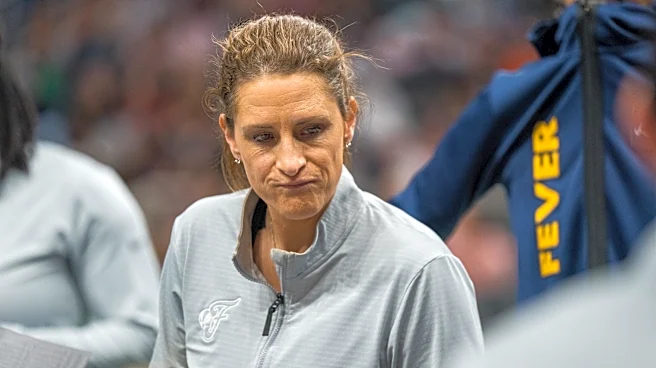
The New York Liberty has dismissed head coach Chris DeMarco after just one season, following a campaign marked by inconsistent play and communication challenges. DeMarco's tenure concluded with the team finishing 26-18 in the regular season, winning a first-round
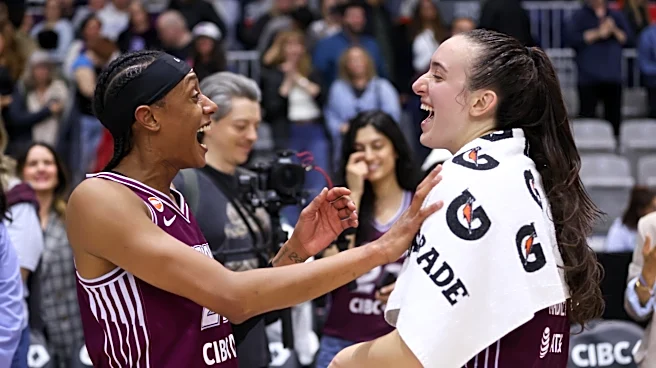
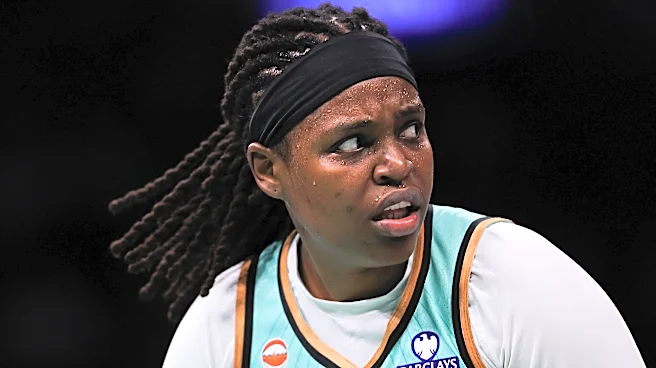
playoff series, and securing the Commissioner’s Cup. However, the team was swept in the semifinals by the Atlanta Dream. The decision to fire DeMarco came exactly 409 days after the franchise expressed dissatisfaction with a previous playoff exit under former coach Sandy Brondello, vowing to win a second WNBA title. Players, including Sabrina Ionescu, reportedly had a complex relationship with DeMarco, with Ionescu describing their interactions as 'sibling banter' after a public on-court disagreement. The team's 'Big Three' — Stewart, Ionescu, and Jones — often used 'Brondello-isms' rather than DeMarco's taglines, indicating a potential disconnect. Concerns were also raised about DeMarco's inexperience in coaching women and his struggles to adapt to personnel changes and establish a clear team culture.
Why It's Important?
The dismissal of Chris DeMarco highlights the high-stakes environment and championship expectations within the WNBA, particularly for a franchise like the New York Liberty with a 'Big Three' roster. This move underscores the critical importance of effective communication, emotional intelligence, and WNBA-specific knowledge for head coaches in the league. The reported disconnect between DeMarco and key players, and his perceived inability to adapt strategies or foster a cohesive team culture, suggests that even a winning record and a Commissioner's Cup title are insufficient without strong leadership and player buy-in. This situation could influence future coaching hires across the WNBA, emphasizing the need for candidates with proven experience in the women's game and strong interpersonal skills. It also reflects the growing power and influence of star players in shaping team dynamics and coaching decisions, as their trust and respect are crucial for success.
What's Next?
The New York Liberty will now embark on a search for a new head coach, with the primary goal of finding someone who can effectively lead their championship-caliber roster to a WNBA title. The next coach will need to address the communication issues that reportedly plagued DeMarco's tenure and establish a clear, unifying team culture. Stakeholders, including players like Breanna Stewart, Sabrina Ionescu, and Jonquel Jones, will likely play a significant role in the selection process, given their influence and the previous challenges. The franchise's stated ambition for a second title means the new coach will face immediate pressure to deliver results. The situation also raises questions about the broader WNBA coaching landscape, potentially leading to increased scrutiny of coaching candidates' experience with women's basketball and their ability to connect with players on a deeper level.
Beyond the Headlines
The Liberty's decision to part ways with DeMarco delves into deeper implications regarding leadership, team dynamics, and the evolving professional sports landscape. The reported lack of emotional intelligence and clear communication from DeMarco, even with players rumored to have been involved in his hiring, suggests that technical expertise alone is insufficient for success at the highest levels of professional sports. The reliance of star players on 'Brondello-isms' and their perceived need to 'problem-solve for an entire team' points to a potential vacuum in leadership that can undermine team cohesion and performance. This scenario also touches upon the ethical considerations of diversity and inclusion in coaching, as DeMarco's intentions to hire more women were noted, but questions arose about whether those elevated had the necessary expertise and support. The incident highlights the ongoing need for WNBA teams to balance diverse staffing with ensuring all personnel possess the specific knowledge and skills required for their roles, fostering an environment where both coaches and players can thrive.