







What's Happening?
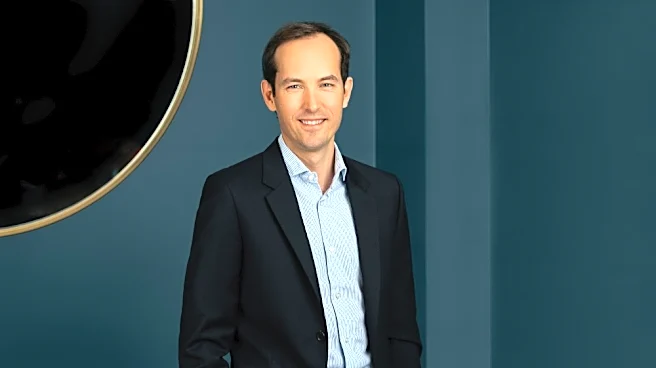
Traditional publishers are navigating a transforming media landscape as the creator economy reshapes how audiences consume content. This shift presents both challenges and opportunities for established media organizations. Graham Page, Head of Media &
Creative Industries at Q5, discussed with Press Gazette and The Guardian's Leah Green how publishers can adapt while maintaining trust. The conversation highlighted the need for publishers to embrace new approaches, such as The Guardian's investment in Guardian Studios, an in-house production company creating video-first shows for YouTube. Publishers are exploring various strategies, including launching dedicated studios, experimenting with new formats, acquiring creator-led businesses, and forming partnerships, to compete for attention and build sustainable revenue streams.
Why It's Important?
The evolving creator economy significantly impacts the U.S. media industry, forcing traditional publishers to re-evaluate their business models and content strategies. The rise of independent creators and new consumption habits means that publishers must innovate to remain relevant and competitive. Protecting editorial credibility while embracing new content creation methods is a critical challenge. Publishers possess advantages like editorial expertise and trusted brands, which they must leverage effectively. Failure to adapt could lead to declining readership and revenue, while successful integration of creator-led strategies can open new avenues for audience engagement and commercial growth. This transformation affects not only the financial health of media companies but also the broader information ecosystem and how news and entertainment are delivered to the public.
What's Next?
Publishers are advised to experiment with new formats and content strategies before making substantial investments. This 'test and learn' approach will help organizations identify what resonates with audiences and generates engagement. The focus will be on finding innovative ways that align with an organization's existing strengths and commercial ambitions, rather than simply replicating independent creators. The ongoing challenge for publishers will be to balance innovation with the preservation of trust and editorial integrity, which are their most valuable assets. Continued collaboration between traditional media and creators, along with the development of new business models, will likely define the future landscape of content creation and consumption.
Beyond the Headlines
The integration of the creator economy into traditional publishing raises fundamental questions about the nature of journalism and media. As individual creators gain prominence, the role of institutional brands in shaping public discourse may shift. There's a delicate balance between leveraging the authenticity and direct audience connection of creators and upholding the rigorous standards of traditional journalism. This evolution could lead to a more diverse and decentralized media environment, but also presents challenges in maintaining quality control and combating misinformation. The long-term implications involve a potential redefinition of 'news' and 'entertainment,' with a greater emphasis on personality-driven content and direct engagement, alongside the continued need for credible, well-researched reporting.