
What's Happening?
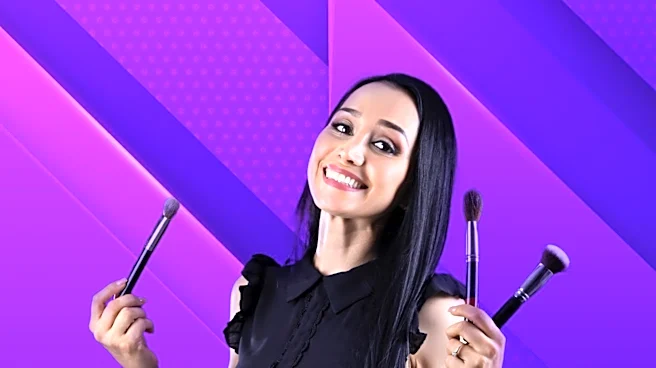
The 'BeautyTok' community on TikTok is a significant niche focused on beauty content, including makeup tutorials, skincare routines, and product reviews. This segment is characterized by high purchase
intent and strong engagement from its audience. Influencer pricing within this niche typically ranges from $0.02 to $0.05 per view. Brands looking to collaborate with 'BeautyTok' influencers can utilize platforms like the TikTok Creator Marketplace or third-party tools such as Modash to identify and evaluate suitable creators based on specific criteria. The pricing models for these collaborations can vary, including pure commission structures, hybrid models combining a reduced flat fee with commission, or standard flat fees with optional TikTok Shop integration. Commission rates for beauty products on TikTok Shop generally fall between 10% and 20%, reflecting the high commercial value of this content category.
Why It's Important?
The prominence of 'BeautyTok' highlights a crucial shift in digital marketing, particularly for beauty and skincare brands. The high purchase intent within this community means that influencer collaborations can directly translate into sales, offering a more measurable return on investment compared to broader content categories. The established pricing benchmarks and commission structures provide a clear framework for brands to budget and negotiate with influencers, ensuring cost-effective campaigns. This trend also underscores the growing power of niche communities on social media platforms, where targeted content can foster deep engagement and drive consumer behavior. For U.S. beauty companies, understanding and leveraging 'BeautyTok' is essential for reaching a highly engaged demographic and staying competitive in a rapidly evolving digital marketplace.
What's Next?
As the 'BeautyTok' community continues to grow, brands are likely to further refine their strategies for engaging with these influencers. This could involve more sophisticated data analytics to identify micro-influencers with highly engaged audiences, as well as exploring new content formats like TikTok LIVE commerce, where creators demonstrate and sell products in real-time. The evolution of TikTok Shop and its integration with influencer content suggests a future where direct-to-consumer sales through social media become even more seamless. Brands will also need to stay abreast of changing platform algorithms and consumer preferences to maintain effective engagement within this dynamic niche. The emphasis on performance-based pricing, such as CPV and commission structures, is expected to become more prevalent, pushing for greater accountability and measurable outcomes in influencer marketing.
Beyond the Headlines
The success of 'BeautyTok' reflects a broader cultural shift towards authentic, peer-driven recommendations in consumer purchasing decisions. Unlike traditional advertising, influencer content often feels more personal and trustworthy, fostering a sense of community and shared experience among followers. This phenomenon also raises questions about the ethical responsibilities of influencers and brands in disclosing sponsored content, maintaining transparency, and promoting realistic beauty standards. The economic model of 'BeautyTok' also points to the increasing professionalization of content creation, where individuals can build significant careers by specializing in niche areas. This trend could lead to new regulatory considerations regarding digital advertising and consumer protection, as the lines between entertainment, information, and commerce continue to blur on platforms like TikTok.