





What's Happening?
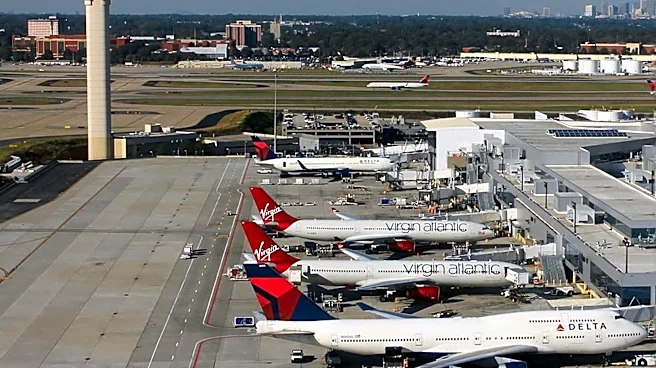
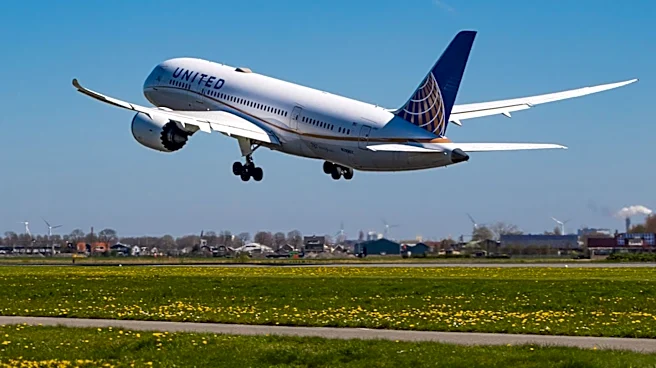
Airfare in the U.S. has increased by 26.5% compared to the previous year, driven by volatile fuel prices. Airlines like United and American have reported significant increases in fuel costs, with United expecting to pay $6 billion more for fuel this year.
Despite higher fares, demand remains strong, with airlines maintaining pricing power. Southwest Airlines CEO Bob Jordan noted strong demand despite high prices. Airlines are adjusting schedules and reducing flights to manage costs, impacting consumer choices and potentially increasing fares further.
Why It's Important?
The rise in airfare costs has significant implications for consumers and the airline industry. Higher travel costs may affect consumer spending and travel frequency, impacting tourism and related sectors. Airlines are facing increased operational costs, including labor and maintenance, which they are passing on to consumers. The consolidation of market share among major airlines could reduce competition, potentially leading to sustained high prices. The situation underscores the challenges airlines face in balancing cost management with consumer demand.
What's Next?
Airlines are likely to continue adjusting their strategies to manage fuel costs and maintain profitability. The end of the summer travel season will test airlines' ability to sustain high fares. Airlines may explore new revenue streams, such as premium seating options, to offset costs. The geopolitical situation affecting fuel prices remains fluid, adding uncertainty to future pricing strategies.