



What's Happening?
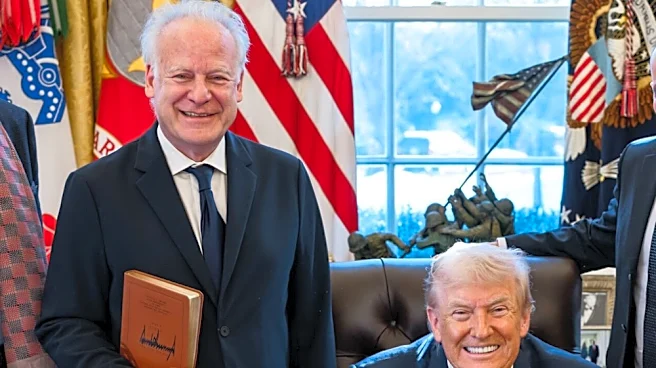
Kevin Mayer, founder of Candle Media and former chief strategy officer at The Walt Disney Company, stated at the Doha Industry Days event in November 2026 that the entertainment industry will continue to experience significant mergers in the coming years.
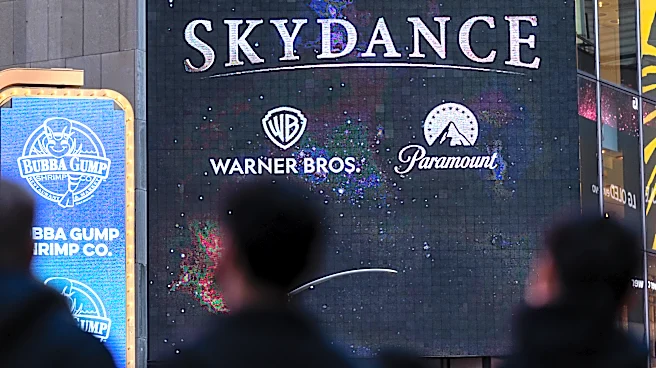
This prediction is driven by a decade of stagnant revenue growth, compelling companies to consolidate to amortize revenue bases over smaller cost structures. Mayer cited recent activities involving studios like Warner Bros., Paramount, and Skydance, as well as NBCUniversal's structural divisions, as examples of this trend. He emphasized the importance of careful execution in large-scale transactions, drawing on his experience with Disney's acquisitions of Pixar and Marvel Studios, where creative autonomy was preserved.
Why It's Important?
The ongoing wave of consolidation in the entertainment sector, as highlighted by Kevin Mayer, signifies a critical shift in how media companies operate and compete. For U.S. industries, this trend means fewer, larger players dominating the market, potentially leading to reduced competition and a more concentrated control over content creation and distribution. This could impact independent creators and smaller studios, making it harder for them to compete against well-resourced conglomerates. Consumers might experience changes in content diversity and pricing as companies seek efficiency through mergers. Mayer's emphasis on preserving creative identity during acquisitions underscores a key challenge: balancing financial efficiency with artistic integrity, which is crucial for the long-term health and innovation of the entertainment industry.
What's Next?
The entertainment industry is expected to see further corporate partnerships and re-evaluations of the balance between brand expansion and independent creative hubs. Companies will likely continue to pursue financial efficiency through mergers and acquisitions, leading to more streamlined operations and potential workforce adjustments. The market will be closely watching how these consolidations impact content quality and diversity, especially as companies navigate the integration of creative teams. The success of future mergers will depend on their ability to respect and maintain the creative identities of acquired entities, a lesson Mayer drew from Disney's past successes. This ongoing consolidation will shape the competitive landscape and content offerings for years to come.
Beyond the Headlines
The deeper implications of this merger trend extend to the very nature of creative production and intellectual property ownership. As Kevin Mayer noted, the need to amortize revenue bases over smaller cost structures drives these consolidations, but the challenge lies in preventing the stifling of creativity. The sale of Hello Sunshine by Candle Media, despite its initial success with children's content like CoComelon, indicates the complexities of managing diverse content portfolios within large conglomerates. This highlights a potential tension between the pursuit of scale and the nurturing of distinct creative voices. The industry faces an ethical dilemma: how to achieve financial stability through consolidation without sacrificing the innovative spirit that often thrives in independent creative environments. This ongoing dynamic will influence how stories are told and who controls their narratives in the future.