






What's Happening?
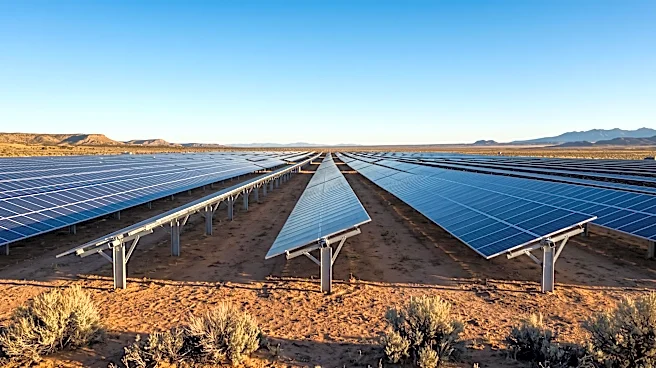
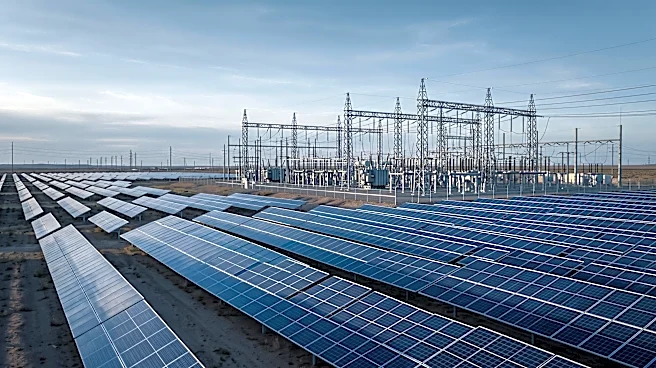
Madrid-based renewable energy company Zelestra has successfully secured $350 million in green financing credit facilities for a new 203 MW solar project in Indiana. This project, named Reclamation Solar, is supported by a long-term power purchase agreement
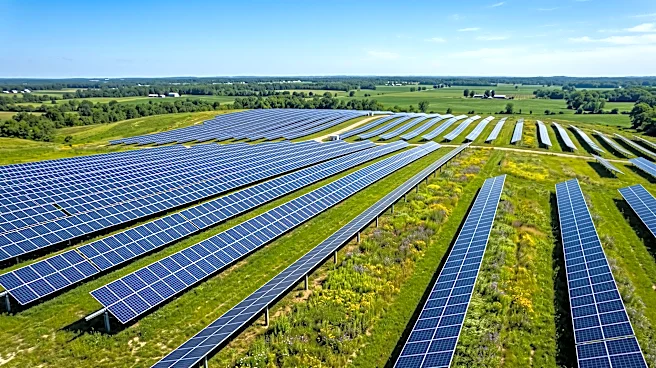
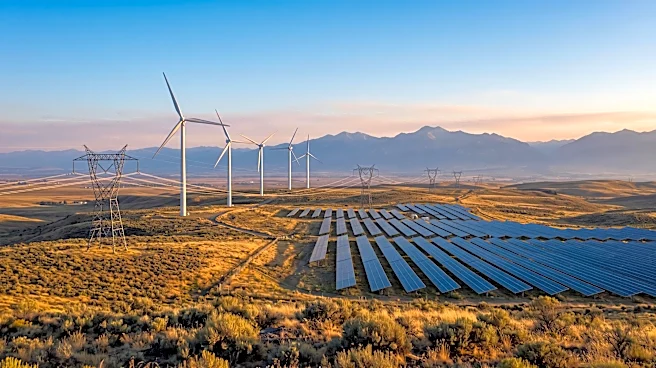
with social media and tech giant Meta. The financing was provided by CIBC, BBVA, and Societe Generale. The Reclamation Solar project is strategically located on a site previously used for coal mining operations in southwest Indiana. It will involve the installation of approximately 325,000 bifacial modules and is designed to support soil restoration, native vegetation growth, and regional biodiversity enhancement. Zelestra's U.S. platform is expanding rapidly, with a pipeline now reaching 16 GW across key U.S. markets. This latest financing pushes Zelestra's total project financing for the year past $1 billion. The project is slated to become operational by the end of 2027.
Why It's Important?
This green financing deal is significant for the U.S. renewable energy sector and its transition away from fossil fuels. The investment of $350 million into a solar project on a reclaimed coal mining site in Indiana demonstrates a tangible commitment to sustainable development and economic revitalization in regions historically dependent on coal. For the U.S. economy, such projects create jobs, stimulate local economies, and contribute to energy independence. Meta's involvement through a long-term power purchase agreement highlights the growing trend of major corporations investing in renewable energy to meet their sustainability goals, which can drive further corporate investment in green infrastructure across the U.S. The project's focus on soil restoration and biodiversity enhancement also underscores a broader shift towards holistic environmental benefits in renewable energy development. This financing milestone for Zelestra, exceeding $1 billion in U.S. project financing this year, signals robust investor confidence in the U.S. renewable energy market and its potential for growth, benefiting both environmental stakeholders and economic development.
What's Next?
The Reclamation Solar project is expected to come online by the end of 2027, at which point it will begin supplying renewable energy to Meta. The successful execution and operation of this project will serve as a model for future renewable energy developments, particularly those on reclaimed industrial lands. Zelestra's continued expansion of its U.S. pipeline, now at 16 GW, suggests further green financing deals and project announcements are likely in the near future. The involvement of major financial institutions like CIBC, BBVA, and Societe Generale in providing green financing indicates a sustained interest from the banking sector in supporting U.S. renewable energy initiatives. This trend is expected to continue, potentially leading to more innovative financing structures and increased capital flow into the U.S. clean energy market. The success of corporate power purchase agreements, like the one with Meta, will also likely encourage other U.S. corporations to pursue similar strategies to decarbonize their operations.
Beyond the Headlines
The Reclamation Solar project represents more than just a renewable energy installation; it embodies a broader narrative of environmental justice and economic transition. By repurposing a former coal mining site, the project addresses the legacy of industrial pollution and offers a pathway to sustainable economic development for communities historically impacted by fossil fuel industries. This initiative highlights the potential for renewable energy to not only generate clean power but also to contribute to ecological restoration and community resilience. Ethically, it underscores the responsibility of corporations and financial institutions to invest in projects that deliver both economic returns and positive social and environmental impacts. Culturally, it could help shift perceptions of renewable energy from merely an alternative to a primary driver of regional revitalization and environmental stewardship. The collaboration between a European renewable energy developer, international banks, and a U.S. tech giant also signifies the increasingly globalized nature of climate action and sustainable investment, fostering cross-border partnerships to tackle shared environmental challenges.