
What's Happening?
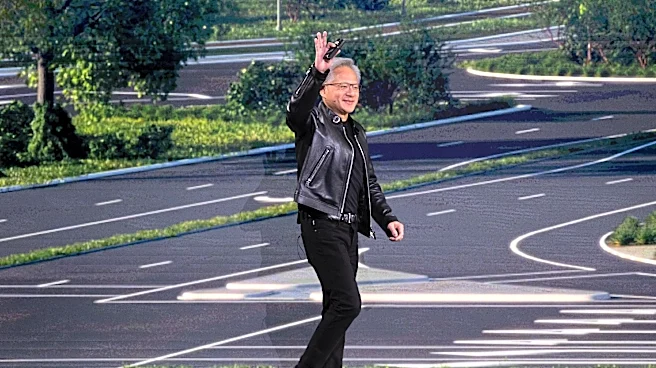
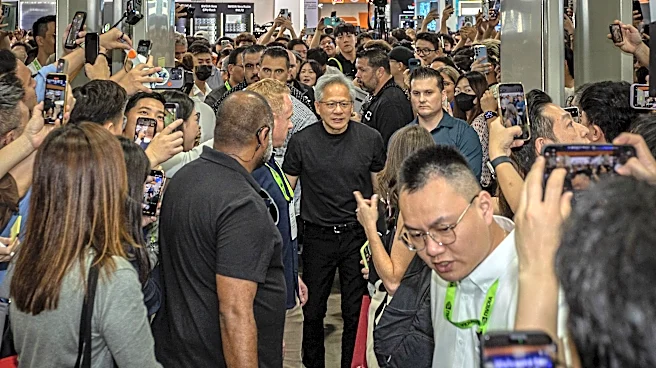
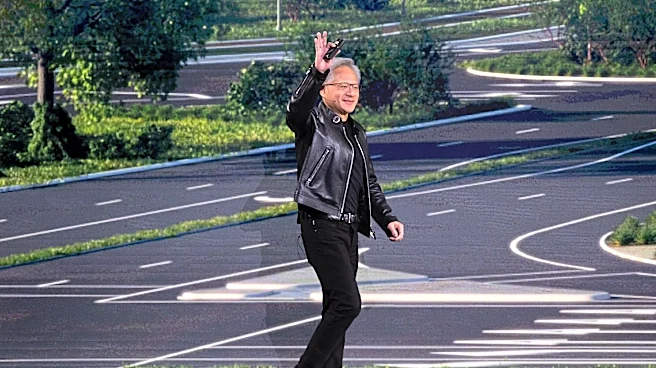
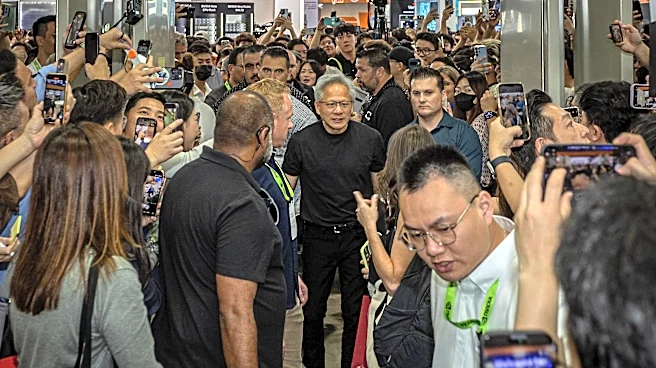
Palmer Luckey, the founder of defense contractor Anduril, has publicly supported Jensen Huang's return as CEO of NVIDIA. Luckey, known for his strong 'China-hawk' views, argues that Huang's leadership
at NVIDIA is crucial, stating, 'China wants Jensen out, so I want him in.' He believes that a weakened NVIDIA would create an opportunity for Chinese chipmakers to advance. Luckey has been sanctioned by Beijing and has consistently advocated for removing China from defense supply chains and restricting TikTok's presence in the U.S. He has also expressed concerns about 'CCP propaganda' regarding China's AI models and has opposed NVIDIA's efforts to export more chips. Despite his hawkish stance on China, his support for Huang stems from a strategic perspective that aligns with U.S. technological leadership.
Why It's Important?
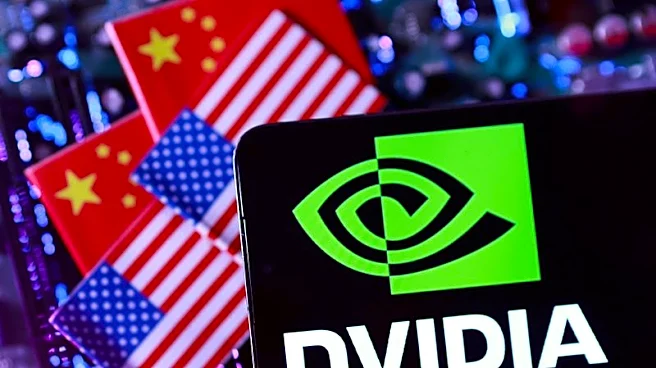
Palmer Luckey's endorsement of Jensen Huang's leadership at NVIDIA, despite his broader 'China-hawk' ideology, highlights a complex intersection of U.S. business interests, national security, and technological competition with China. Luckey's argument that a strong NVIDIA under Huang is essential to prevent Chinese chipmakers from gaining an advantage underscores the strategic importance of semiconductor technology in the current geopolitical landscape. This perspective suggests that maintaining U.S. dominance in advanced computing, particularly AI-related hardware, is a critical component of national security. The debate surrounding NVIDIA's export policies and leadership reflects a broader tension between fostering global technological innovation and safeguarding national interests against potential adversaries. Stakeholders in the U.S. defense sector and technology industry are closely watching these developments, as they could influence future policy decisions regarding technology exports and international collaborations.
What's Next?
The ongoing discussion surrounding NVIDIA's leadership and export policies, influenced by figures like Palmer Luckey, is likely to continue shaping U.S. technology and trade policies concerning China. Future actions could include further scrutiny of technology exports to China, potential adjustments in regulatory frameworks for semiconductor companies, and increased investment in domestic chip manufacturing capabilities. The U.S. government may face continued pressure from 'China-hawks' to adopt more stringent measures to curb China's technological advancements, particularly in critical areas like AI and defense. Conversely, some industry leaders might advocate for more open trade policies to maintain global market access and foster innovation. The trajectory of NVIDIA's market position and its relationship with the U.S. government will be a key indicator of the evolving dynamics in the U.S.-China technology rivalry.
Beyond the Headlines
Palmer Luckey's position on Jensen Huang and NVIDIA reveals a deeper philosophical debate within the U.S. about how to best compete with China in the technology sector. It raises questions about whether a strategy of containment and restriction or one of maintaining a competitive edge through innovation and market leadership is more effective. The ethical implications of restricting technology exports, particularly when it involves foundational technologies like semiconductors, are also at play. There's a tension between the desire to prevent potential adversaries from acquiring advanced capabilities and the risk of stifling global technological progress or alienating key international partners. This situation also highlights the increasing role of private sector leaders in influencing national security and foreign policy, blurring the lines between business interests and geopolitical strategy. The long-term shift could see a more integrated approach to national security and economic policy, where technological leadership is viewed as a primary component of national power.