



What's Happening?
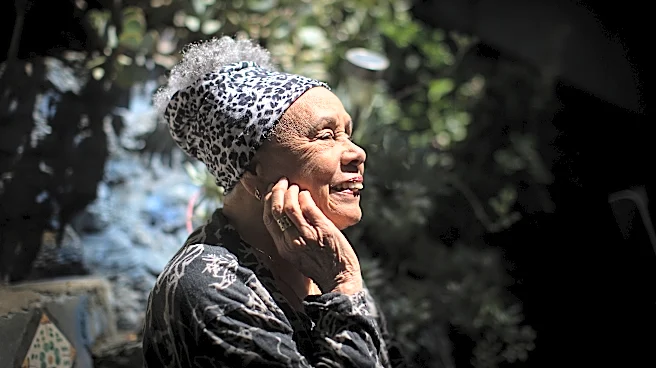
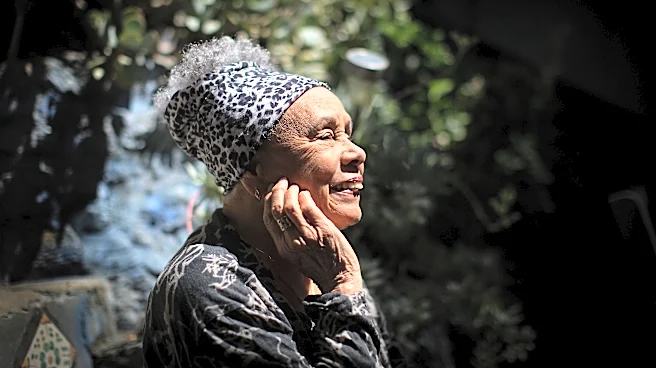
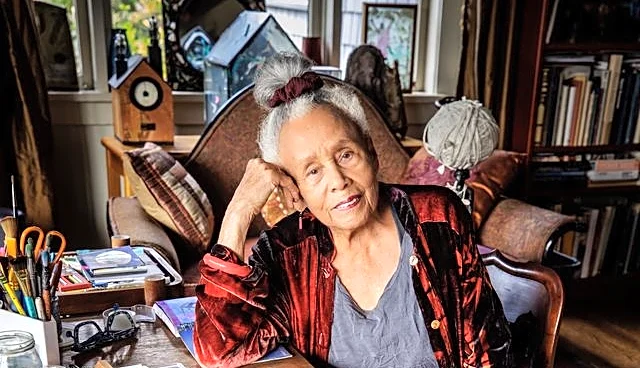
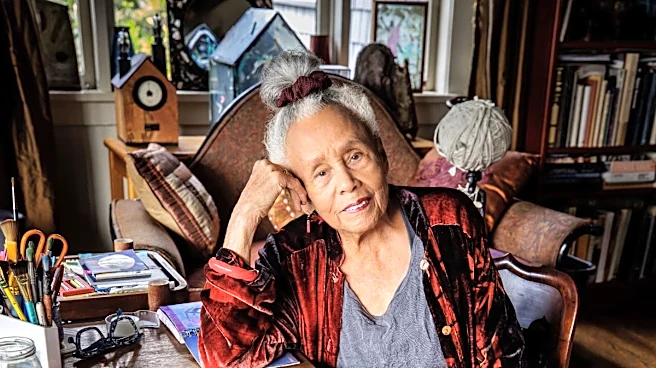
Betye Saar, a pioneering artist known for her powerful assemblages that addressed racism and anti-Blackness, has died at the age of 99. Saar, based in Los Angeles, was celebrated for her work that utilized found objects to challenge racial stereotypes
and highlight the pervasive nature of racism in the United States. Her most famous piece, 'The Liberation of Aunt Jemima' (1972), transformed a derogatory image into a symbol of Black liberation and women's rights. Saar's work spanned over seven decades, during which she became a significant figure in the art world, particularly noted for her ability to reframe racist memorabilia into powerful statements against oppression. Her legacy includes a vast body of work that continues to inspire discussions on race and representation.
Why It's Important?
Betye Saar's contributions to art and social activism have had a profound impact on how racial issues are addressed in the art world. Her ability to transform everyday objects into powerful political statements has influenced generations of artists and activists. Saar's work not only challenged the art community to confront uncomfortable truths about race but also provided a platform for Black artists, especially women, to express their perspectives. Her passing marks the end of an era, but her legacy continues to inspire and provoke thought on racial equality and justice. The recognition of her work by major institutions underscores its lasting significance in both art and social discourse.